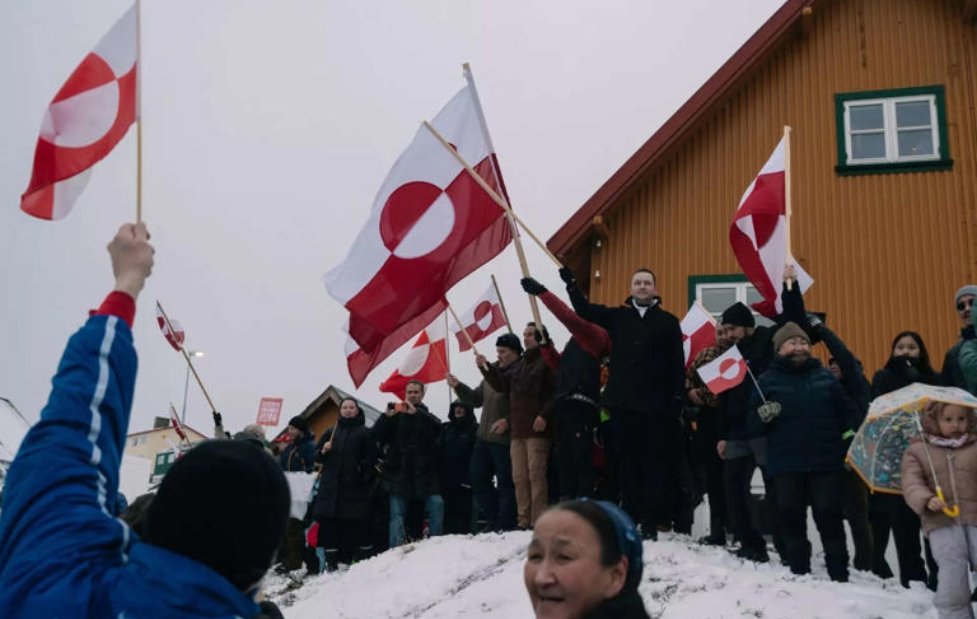
Europe’s response to the so-called Greenland crisis has revealed deep lessons about sovereignty, alliance dynamics, and strategic independence in a world where great power politics is resurging. What began as a provocative bid by the United States to assert influence over the Arctic territory quickly turned into a major diplomatic confrontation one that brought Europe’s core principles sharply into focus.
A Surprise Confrontation Over Territory and Integrity
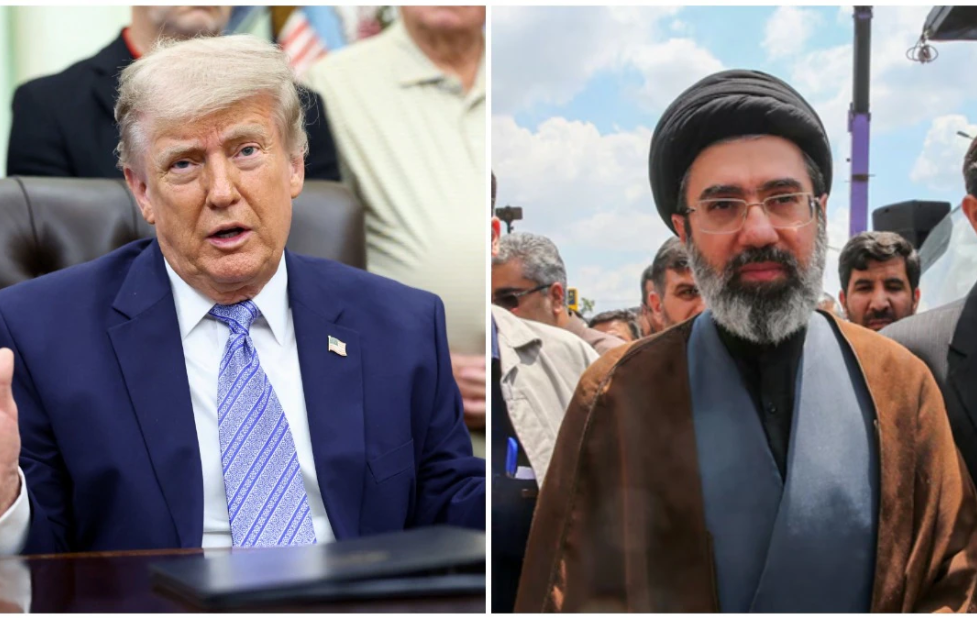
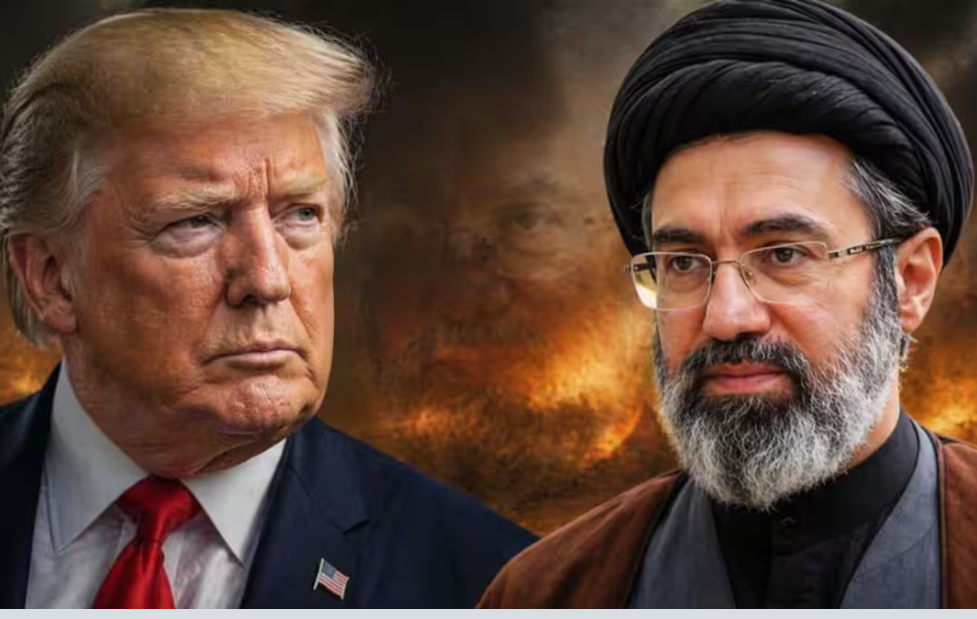
In early 2026, U.S. President Donald Trump revived interest in acquiring Greenland, an autonomous territory of Denmark a fellow NATO member. Reports of potential tariffs against European allies who resist the idea sparked immediate outrage in Brussels and among EU capitals. European leaders swiftly condemned any suggestion of ceding territory or coercing a NATO ally.
The crisis illuminated a core European tenet: territorial integrity and sovereignty are non-negotiable. In a joint declaration, leaders from France, Germany, Italy, Spain, Poland, the UK, and Denmark emphasized that Greenland “belongs to its people,” and decisions on its future lie with them alone.
Unity Under Pressure
Rather than fragmenting, Europe displayed rare cohesion in a diplomatic storm. EU institutions, Nordic countries, and NATO partners announced unified opposition to external pressure from the U.S. and warned against using tariffs or coercion to reshape Northern geography.
European Commission President Ursula von der Leyen underscored that respect for territorial integrity is fundamental, and Europe is preparing a wide-ranging package to bolster Arctic security—including investments in infrastructure and defense cooperation.
A Test of Transatlantic Trust
The confrontation underscored an uncomfortable truth: even long-standing alliances can fray when national interests diverge. While Europe remains committed to NATO and cooperation with the U.S., the Greenland episode exposed strains in transatlantic relations and sparked debate over Europe’s strategic autonomy.
European leaders including Germany’s chancellor and British Prime Minister Keir Starmer—publicly rejected coercive tactics and warned that such moves could endanger collective security frameworks like NATO if not carefully managed.
Redefining European Defense Priorities
One of the crisis’s enduring lessons is the need for Europe to assert greater control over its own security interests. Discussions are now underway about strengthening Arctic defense, expanding EU capabilities, and reducing reliance on unilateral decisions by allies even close ones like the U.S.
The episode also prompted fresh debate in capitals across Europe about accelerating defense commitments and investments in joint capabilities, as well as contingency planning for future geopolitical shocks.
Beyond Europe, the crisis sent ripples through global geopolitics. In Ukraine, commentators observed that perceived threats to NATO unity could have broader consequences for Ukraine’s own security challenges, reinforcing the need for strong European defense postures.
Analysts also noted that Russia and China could exploit tensions between Europe and the U.S., creating openings for influence in regions where Western cooperation is tested.
A Moment of Reckoning
The Greenland confrontation has been more than a diplomatic spat. It has tested Europe’s commitment to principles of sovereignty, international law, and alliance solidarity. The swift European reaction—not just diplomatic pushback but discussions about strategic autonomy and Arctic security signals a continent ready to defend its values and interests more assertively.
In the end, Europe’s core lesson may be this: sovereignty cannot be taken for granted even among allies and defending territorial integrity is as much about unity at home as diplomacy abroad.