.jpg)
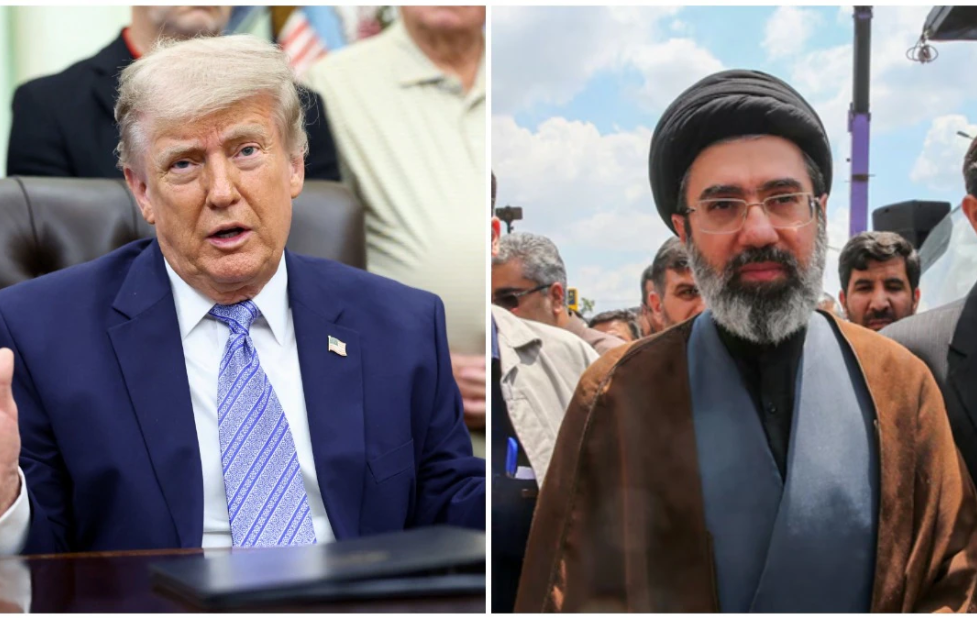
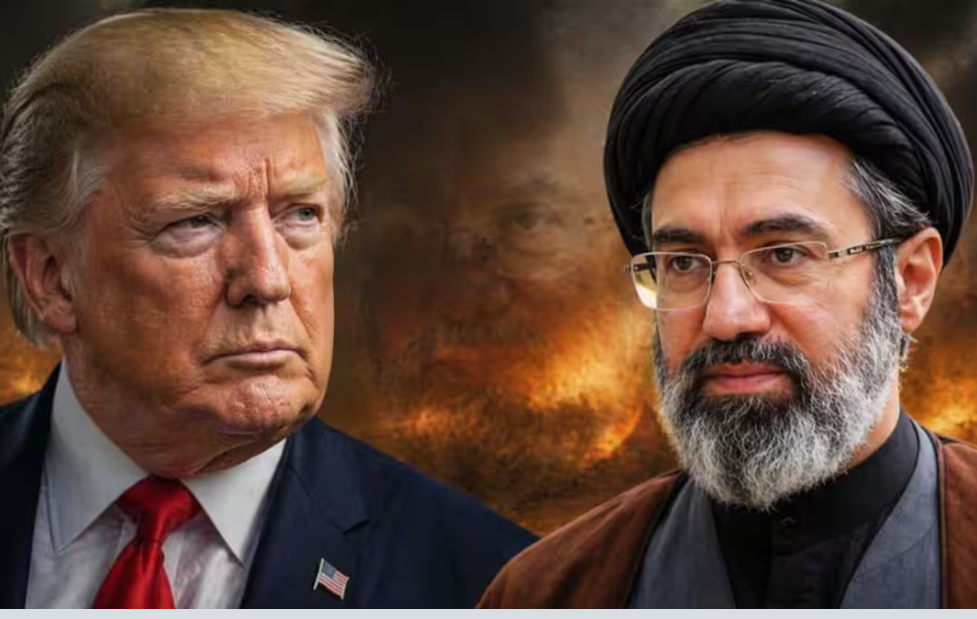
Tensions across the Middle East intensified after Iran issued one of its strongest warnings in recent years, stating that any military attack against the country would be treated as an all-out war. The warning comes amid an increased military presence by the United States in the region, raising concerns of possible escalation between two long-standing rivals.
According to senior Iranian officials, even a limited or targeted strike would not be viewed lightly. Iran has made it clear that it would respond forcefully, regardless of the scale of the attack. In response to the developments, Iran’s armed forces have reportedly been placed on high alert as foreign naval and air assets move closer to the region.
The United States has described its military deployment as precautionary, aimed at safeguarding regional stability and protecting its allies. However, Iranian leadership views the buildup as a direct threat to national sovereignty and regional peace.
The warning reflects a deeply fragile geopolitical environment shaped by decades of mistrust, sanctions, and political hostility. Recent developments have further strained relations, as both sides attempt to assert strength while avoiding direct confrontation.
Adding to the tension is the ongoing internal unrest within Iran. Economic hardship, rising inflation, and political dissatisfaction have fueled nationwide protests over the past year. These internal pressures have influenced Iran’s messaging abroad, with leadership adopting a firm tone to project unity and deterrence.
Experts believe Iran’s strong statement is meant to discourage any miscalculation. By declaring that even a small strike would be considered full-scale war, Tehran aims to increase the cost of military action for its adversaries. At the same time, the United States continues to emphasize that its presence is defensive rather than offensive.
The growing uncertainty has unsettled the international community. Several global airlines have rerouted or suspended flights through sensitive airspace, while regional governments have urged restraint from both sides.
Despite the heated rhetoric, diplomatic channels remain open. Officials on both ends have indicated that dialogue is still possible, though progress appears slow. As military movements continue and statements grow sharper, the situation underscores how quickly tensions can escalate in an already volatile region.
Whether diplomacy prevails or confrontation deepens remains uncertain, but the developments serve as a reminder of how delicate peace can be when power, politics, and national pride collide.