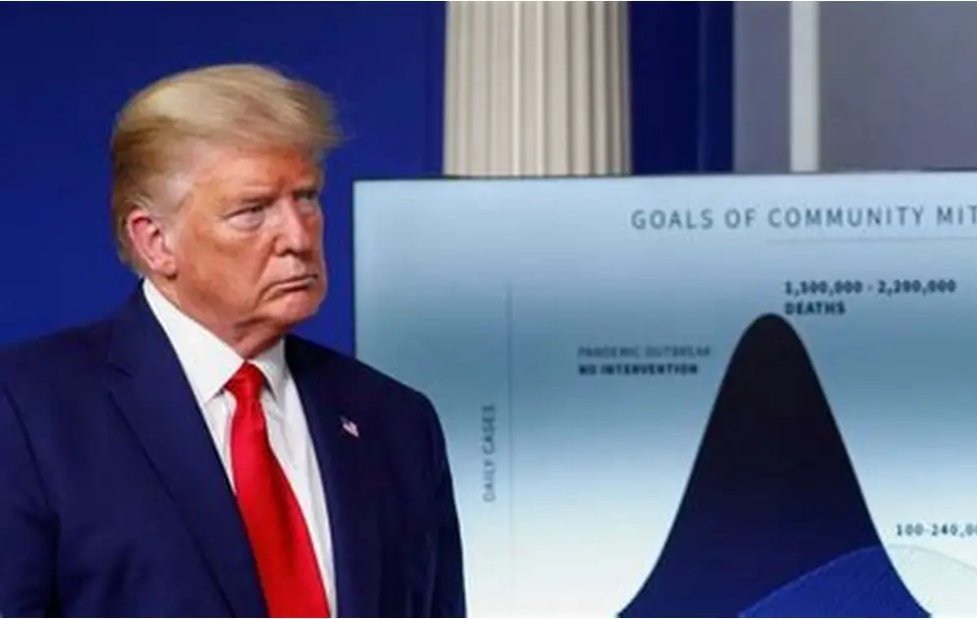
In a notable shift during global discussions, former US President Donald Trump stepped back from his aggressive position on Greenland, easing tensions that had drawn international attention. Speaking at the World Economic Forum in Davos, Trump confirmed he would no longer pursue tariff measures against European countries that resisted his interest in the Arctic territory.
The decision followed weeks of strong statements that unsettled allies across Europe. Earlier remarks suggesting the United States could take extreme steps to gain control of Greenland had caused widespread concern, particularly in Denmark, which governs the semi autonomous island. Although Trump later clarified that military action was not being considered, the tone of his comments raised fears about strained diplomatic relations.
Despite backing away from economic pressure, Trump made it clear that his interest in Greenland remains unchanged. Instead of confrontation, he has shifted toward negotiation. He proposed a future framework for cooperation with NATO leaders, focusing on Arctic security and long term strategic planning.
Central to this proposal is Trump’s vision of expanding defence infrastructure in the Arctic region. He has repeatedly highlighted the growing presence of Russia and China near polar trade routes and views the region as increasingly important for global security. According to him, closer cooperation would include a stronger military footprint and participation in a proposed missile defence initiative often referred to as the Golden Dome project.
Another major factor driving Trump’s interest is Greenland’s vast reserve of critical minerals. These include rare earth elements essential for modern industries such as renewable energy, electronics, electric vehicles and advanced defence systems. With global competition for these materials intensifying, Trump has framed mineral access as a matter of national security and economic independence.
European leaders responded cautiously to the softened approach. While some welcomed the reduction in trade threats, others remained wary of long term intentions. Danish officials reiterated that Greenland is not for sale and stressed that any cooperation must respect sovereignty and the rights of the local population.
What initially appeared to be a diplomatic standoff has now evolved into a complex negotiation. The situation reflects how climate change, shrinking ice coverage and global power rivalry have turned the Arctic into one of the most strategically sensitive regions in the world.
Though Trump has retreated from direct pressure, his continued focus on Greenland signals that Arctic geopolitics will remain firmly on the international agenda.