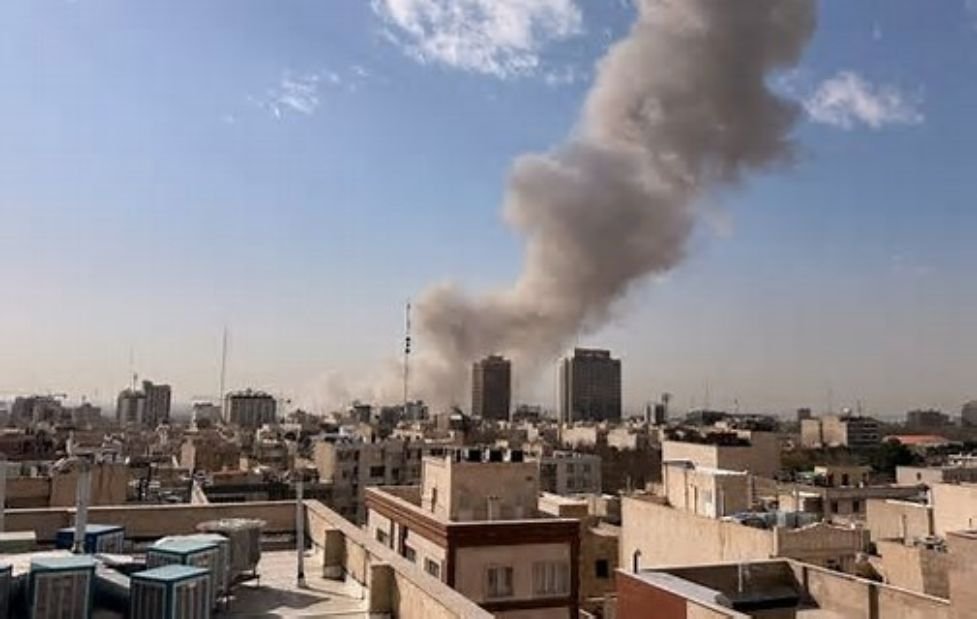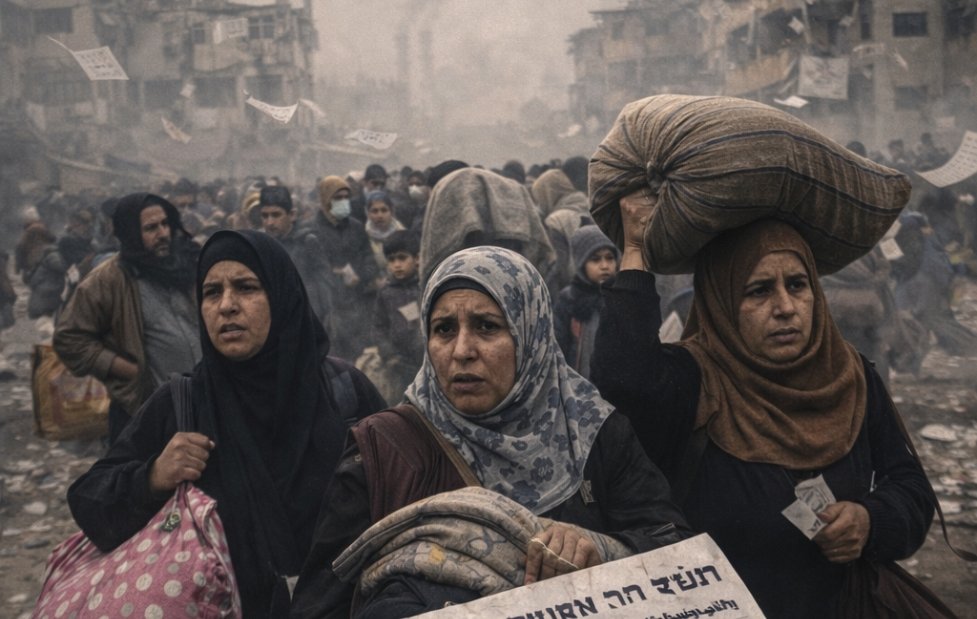
Israel has ordered families in parts of Gaza to evacuate their homes, marking the first forced displacement since the ceasefire that began in October. The directive, delivered through leaflets dropped from the air, has triggered widespread fear among residents and renewed concerns about a possible escalation in the region.
What Happened
- Israeli forces dropped evacuation leaflets over selected areas of Gaza.
- The notices were printed in Arabic, Hebrew, and English.
- Civilians were instructed to leave immediately for their own safety.
- This is the first evacuation order issued after the October ceasefire.
- What the Leaflets Said
- Warned residents that the area had become a “dangerous combat zone.”
- Urged families to move toward designated southern locations.
- Used language similar to evacuation notices issued earlier during the war.
- Residents said the wording caused panic, as such leaflets previously preceded airstrikes and ground operations.
- Civilian Reaction on Ground
- Families rushed to gather belongings amid confusion.
- Many residents said they do not know where to go, as shelters remain overcrowded.
- Displaced civilians fear repeated movement with no safe destination.
One resident said:
“We thought the ceasefire meant stability. Now the fear has returned.”
Why This Move Is Significant
- First forced evacuation since the October truce.
- Breaks months of relative calm in terms of civilian displacement.
- Raises doubts about the durability of the ceasefire agreement.
- Local officials and residents say this action risks unraveling fragile peace efforts.
Hamas Response
- Hamas confirmed the leaflet drop.
- Accused Israel of violating the spirit of the ceasefire.
- Called on international mediators to intervene immediately.
- According to Hamas officials, forced evacuation threatens civilian safety and increases instability.
Israeli Position
- No immediate official comment from Israeli authorities.
- No clarification on whether the evacuation is
- A limited security operation, or
- A precursor to renewed military action.
- The silence has added to anxiety among Gaza residents and aid agencies.
Humanitarian Concerns
- Aid groups warned of serious consequences:
- Gaza’s infrastructure remains severely damaged.
- Medical facilities are already overstretched.
- Food, water, and shelter shortages persist.
- Fresh displacement could overwhelm remaining safe zones.
- Humanitarian workers say civilians are physically and psychologically exhausted after months of conflict.
International & Diplomatic Watch
- Mediators, including Egypt, Qatar, and the United Nations, are monitoring developments.
- Officials fear escalation could collapse ongoing ceasefire talks.
- International agencies have urged restraint and protection of civilians.
What This Signals
- Indicates how fragile the ceasefire remains.
- Shows that civilian safety remains uncertain despite formal truces.
- Highlights the continued vulnerability of Gaza’s population.
- Analysts say even limited evacuation orders can reignite large-scale fear and displacement.
What Happens Next
- The next 24–48 hours are considered critical.
- Further Israeli statements or military movements could clarify intent.
- Civilians remain in limbo unsure whether to flee or wait.
- Bottom Line
- Israel has issued its first post-ceasefire evacuation order in Gaza.
- Leaflets in three languages triggered panic and displacement fears.
- Hamas condemned the move; Israel has not commented.
- Aid agencies warn of worsening humanitarian conditions.
For Gaza’s families, the episode reinforces a painful reality:
Even during ceasefires, safety can disappear overnight.