A Controversial Peace Initiative
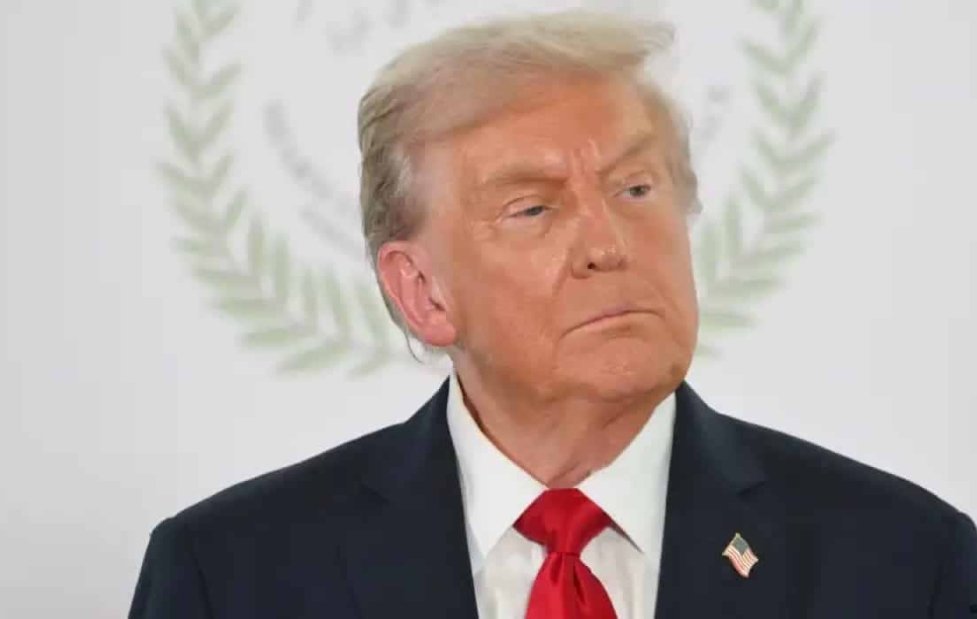
Former US President Donald Trump has unveiled a highly controversial international body dubbed the “Board of Peace,” positioning it as a new mechanism to oversee the Gaza ceasefire and potentially mediate global conflicts. The announcement has sparked global criticism after Israeli Prime Minister Benjamin Netanyahu accepted membership—despite facing an International Criminal Court (ICC) arrest warrant over alleged war crimes in Gaza.
The move has reignited debate over the legitimacy of international justice, the future of the United Nations, and whether peace can be negotiated by leaders accused of overseeing mass civilian casualties.
What Is Trump’s “Board of Peace”?
Proposed by Donald Trump following the January 19, 2026 Gaza ceasefire
Designed to supervise:
- Gaza reconstruction
- Post-war governance
- Security arrangements
- International investment flows
- Trump has hinted it could function as a replacement or alternative to the United Nations
When asked if the body could replace the UN, Trump stated:
“It might. The UN hasn’t been very helpful.”
A Membership List That Raises Global Alarm
The proposed board includes several highly controversial political figures:
Benjamin Netanyahu – Israeli Prime Minister, wanted by the ICC for alleged war crimes in Gaza
Vladimir Putin – Russian President, under ICC warrant for Ukraine-related war crimes
Alexander Lukashenko – Belarusian leader accused of decades-long repression
Other executive-level members reportedly include:
- US Secretary of State Marco Rubio
- Trump envoy Steve Witkoff
- Jared Kushner
- Former UK Prime Minister Tony Blair
- World Bank President Ajay Banga
- Apollo Global Management CEO Marc Rowan
- Critics argue the composition reflects political loyalty and economic influence, not neutrality or humanitarian credibility.
- Netanyahu’s Acceptance Sparks Internal Israeli Division
While Netanyahu accepted Trump’s invitation, his own government remains split:
- Israeli officials earlier said the executive committee was not coordinated with state policy
- Primary concern: Turkey’s inclusion, a vocal critic of Israel’s Gaza operations
Far-right Finance Minister Bezalel Smotrich openly condemned the initiative, stating:
“This plan is bad for Israel and must be cancelled.”
Smotrich also reaffirmed calls for Israeli control over Gaza, rejecting international oversight entirely.
Palestinian Response: “Our Future Is Being Decided Without Us”
Palestinians have largely rejected the board’s legitimacy.
Gaza residents say they were not consulted
Many fear reconstruction plans mask long-term displacement
One displaced resident told international media:
“When I saw the names, I knew this plan was not about Gaza’s people.”
Concerns deepened due to Trump’s earlier remarks suggesting:
US “ownership” of Gaza
- Relocation of Palestinians
- Transformation of Gaza into a luxury economic zone
- Human rights groups have repeatedly warned such proposals resemble forced displacement under new terminology.
Gaza Executive Board: Big Promises, Massive Obstacles
- The White House also announced a Gaza Executive Board, tasked with:
- Disarming Hamas
- Deploying international security forces
- Rebuilding Gaza’s destroyed infrastructure
However, analysts highlight major challenges:
- Hamas remains politically entrenched
- No clarity on troop contributors or command structure
- Reconstruction costs exceed $50 billion, according to World Bank estimates
- Past international missions in Gaza have failed due to unclear mandates
- Without consensus, the plan risks becoming symbolic rather than actionable.
- International Reaction: Support, Skepticism, and Diplomatic Shock
Global reactions have been sharply divided:
- France supported ceasefire implementation but rejected replacing the UN
- Trump responded by threatening 200% tariffs on French wine and champagne
- Russia confirmed receiving an invitation but said it is “reviewing details”
- Foreign policy experts warned:
- Peace cannot be negotiated through oversized committees
- Real diplomacy requires sustained, on-ground engagement
- The board lacks transparency, accountability, and continuity
Can It Replace the United Nations?
Trump’s suggestion that the Board of Peace could replace the UN has raised serious concerns:
- No legal charter
- No voting mechanism
- No accountability framework
- Heavily dependent on one administration
- Diplomats argue the UN’s flaws do not justify replacing it with a politically controlled, personality-driven body whose future may end with one presidency.
Davos Announcement and What Comes Next
- Trump is expected to formally promote the initiative at the World Economic Forum in Davos, reinforcing its global branding push.
- Observers note the presence of major financiers suggests reconstruction contracts and investment opportunities may play a central role in the board’s momentum.
Why This Matters
- Two ICC-wanted leaders participating in a peace council undermines international law
- Palestinians fear decisions will prioritize geopolitics over human rights
- The initiative reflects Trump’s broader strategy:
- Bypass institutions
- Centralize power
- Conduct diplomacy through deal-making
Peace or Performance?
Trump’s Board of Peace represents a radical reimagining of global diplomacy one that blends politics, business, and spectacle while sidelining established international norms.
Whether it becomes a genuine platform for conflict resolution or a symbolic exercise shaped by power and optics remains uncertain.
What is clear is the contradiction at its core:
A peace council led by leaders accused of war crimes now claims authority over rebuilding lives shattered by war.
For millions in Gaza, Israel, and beyond, the question remains painfully unresolved:
Will this initiative bring peace or simply repackage conflict under a new banner?