A Foreign Policy Built on Pressure
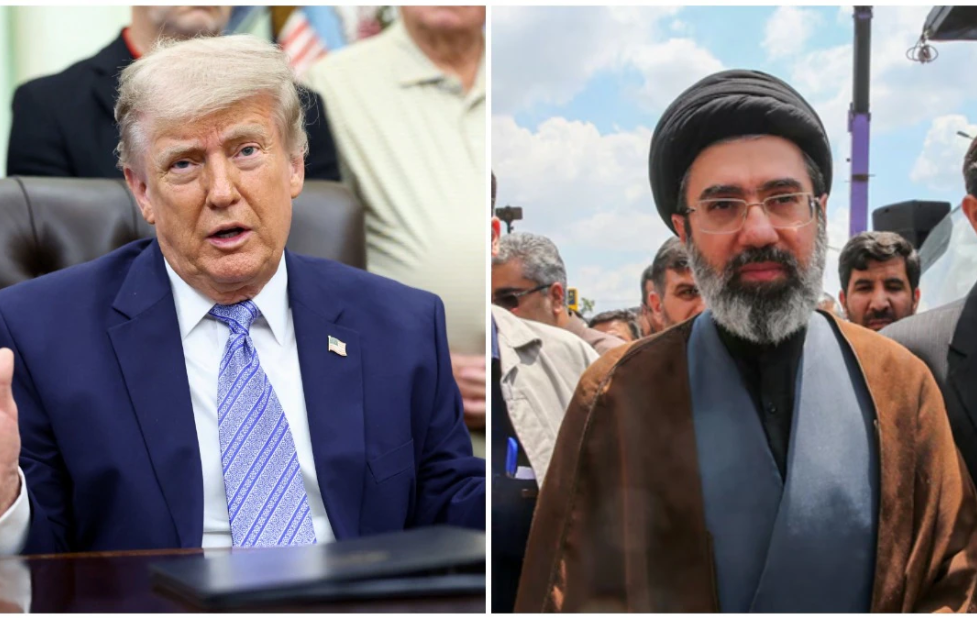
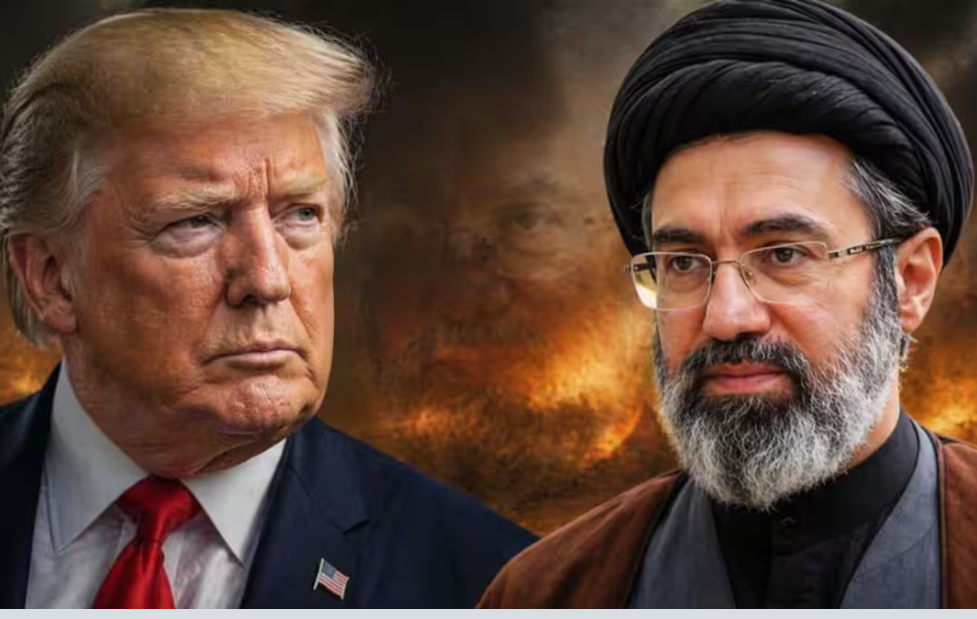
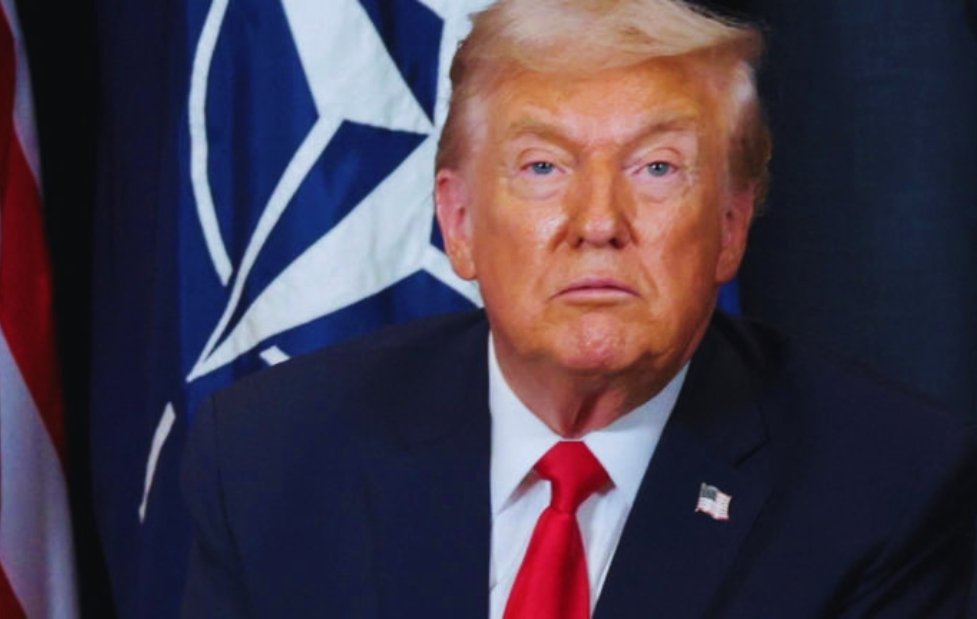
Donald Trump’s return to the White House has revived an aggressive brand of geopolitics that relies less on alliances and more on intimidation. From tariff threats and territorial rhetoric to abrupt policy reversals, Washington’s approach increasingly resembles a transactional power play rather than traditional diplomacy.
While Trump frames this strategy as “America First,” its unintended consequence is becoming increasingly clear: countries across Europe, Asia, and the Global South are beginning to hedge against U.S. unpredictability by strengthening partnerships with one another.
Instead of isolating rivals, Trump’s posture is quietly isolating America.
Tariffs, Threats and Uncertainty
Within months of returning to office, Trump reignited tariff threats against allies and adversaries alike. He warned of massive duties on European goods, revived trade pressure on China, and even hinted at using economic coercion against NATO members over defense spending. At the same time, his remarks about acquiring Greenland, revisiting U.S. commitments to NATO, and reassessing multilateral institutions have injected deep uncertainty into global capitals. For many governments, the issue is not whether the U.S. remains powerful it clearly does but whether it remains predictable. And unpredictability is poison for diplomacy.
Allies Begin Looking Elsewhere
- As Washington oscillates between threats and negotiations, other countries are quietly adapting.
- European nations are accelerating defense coordination independent of the U.S., with renewed discussions around strategic autonomy.
- Asian economies are strengthening regional trade blocs to reduce reliance on American markets.
- Middle powers such as India, Brazil, and Indonesia are diversifying partnerships rather than aligning tightly with any single superpower.
- The message is subtle but unmistakable: dependence on one dominant power is now viewed as a strategic risk.
Strength in Numbers Becomes the New Logic
Trump’s confrontational style has revived an old geopolitical instinct collective security.
Countries that once relied on U.S. guarantees are increasingly seeking protection through multilateral frameworks, regional groupings, and overlapping alliances. Rather than choosing sides, many are choosing networks.
This doesn’t mean nations are abandoning the U.S. outright. Instead, they are building insurance policies.
Trade agreements, defense pacts, currency cooperation, and technology partnerships are now designed with one question in mind:
“What happens if Washington changes its mind again?”
The Return of Bloc Politics
Ironically, Trump’s worldview rooted in raw power and bilateral dominance is pushing the world back toward bloc politics.
Regional organizations are gaining renewed relevance:
- The European Union is tightening internal cohesion.
- ASEAN is expanding economic coordination
- The BRICS bloc continues to attract interest as an alternative platform.
- Even countries that distrust each other are finding common ground in shared anxiety about U.S. volatility.
- This isn’t ideological alignment. It’s defensive cooperation.
- America’s Influence, Still Strong But Narrowing
The U.S. remains militarily dominant and economically central. But influence today depends not just on strength it depends on trust. Diplomacy works when partners believe commitments will outlast election cycles. Trump’s rhetoric, often dramatic and personal, weakens that confidence. When treaties are described as “bad deals” and alliances as “burdens,” partners begin planning for a world where American backing is conditional or temporary. That planning is now visible.
Why This Moment Matters
- Global power isn’t shifting because the U.S. is weak. It’s shifting because others are preparing for instability.
- Trump’s approach may deliver short-term leverage quick concessions, headline-grabbing deals, public dominance. But over time, it encourages countries to minimize exposure to American pressure.
- In geopolitics, fear can command obedience but reliability builds loyalty.
- Right now, many governments see fear, but not enough reliability.
A World Rearranging Quietly
- There will be no dramatic announcement declaring the decline of U.S. leadership. Instead, the change is happening quietly:
- fewer exclusive partnerships
- more regional cooperation
- more strategic hedging
- The world isn’t turning against America. It’s preparing for America to turn again.
- Power Without Predictability Has Limits
Trump’s fantastical geopolitics driven by spectacle, pressure, and personal leverage may dominate headlines, but its deeper legacy could be unintended global unity. By treating diplomacy as a zero-sum contest, the White House is encouraging nations to seek safety in numbers rather than allegiance to power. In trying to stand alone at the top, America may be teaching the rest of the world the value of standing together.