.jpg)
Russian President Vladimir Putin is preparing to meet with United States envoys to discuss pathways toward peace in Ukraine, following comments by former U.S. President Donald Trump suggesting that an agreement on ending the conflict is “reasonably close.” This unexpected diplomatic development comes amid shifting global pressure and fluctuating tensions in multiple geopolitical hotspots, including Iran.
Trump Signals Diplomatic Momentum
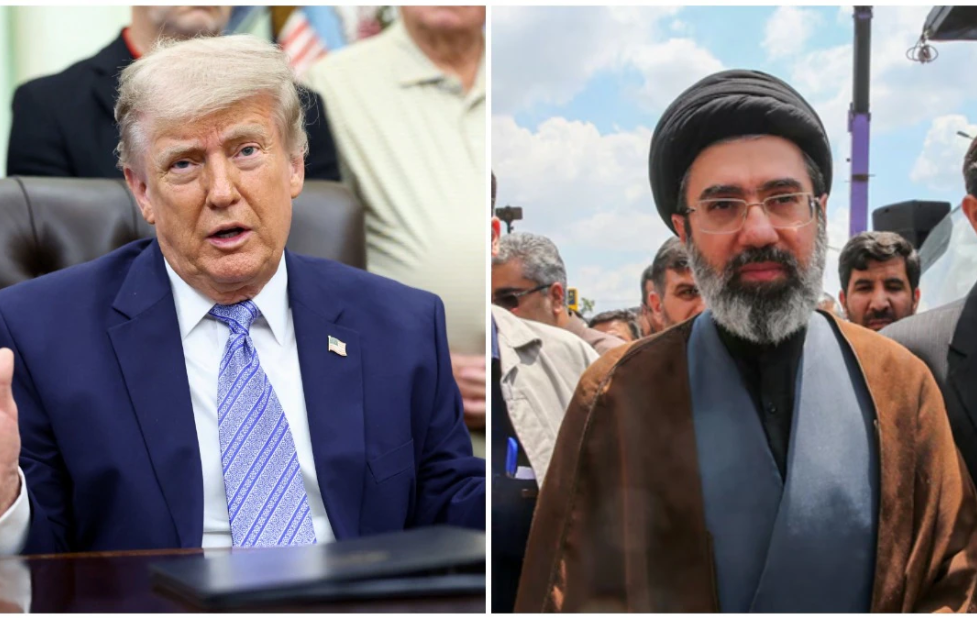
Trump has recently indicated rising optimism that negotiators from both sides might be nearing a consensus on terms that could lead to a ceasefire or framework for peace in Ukraine. While he did not provide detailed specifics, his remarks mark a notable shift in tone given past skepticism about diplomatic progress. Trump’s comments have fueled speculation that renewed negotiations might be more substantive than previous attempts.
Moscow Confirms Upcoming Talks
The Kremlin acknowledged that U.S. envoys will engage with Russian officials in a series of discussions aimed at exploring potential peace arrangements. While Russia has regularly stated openness to negotiation, it insists any settlement must protect its strategic interests and security priorities. Analysts note that both Moscow and Washington have a history of recalibrating their approaches in response to battlefield realities and international pressure. The focus of these talks is expected to include ceasefire terms, security guarantees, and mechanisms to reduce hostilities.
Ukraine’s Role and Stance
Kyiv has maintained that it must be directly involved in any peace process that affects its territorial integrity and sovereignty. Ukrainian officials have expressed cautious optimism but stress that genuine negotiations must center on outcomes that uphold its internationally recognized borders. Without Ukraine at the core of talks, many experts say any plan risks lacking legitimacy and long-term viability.
Broader Geopolitical Context
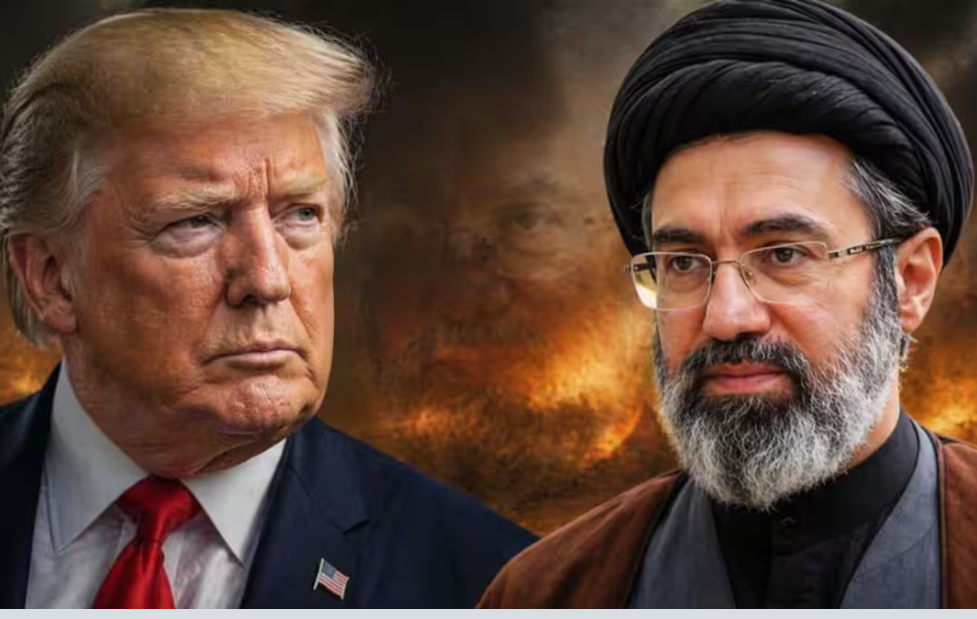
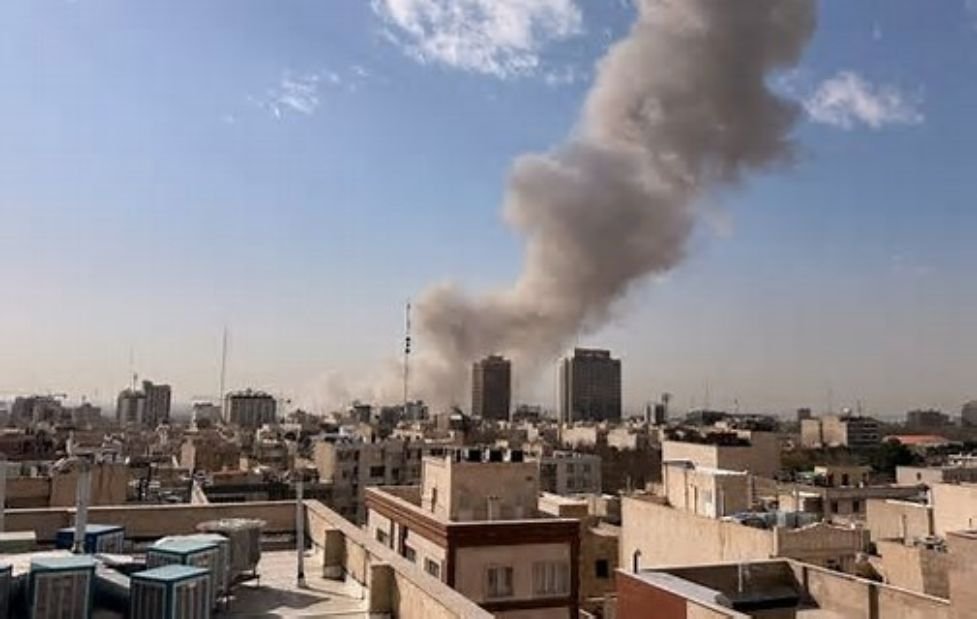
The renewed push for peace discussions on Ukraine comes as tensions elsewhere—particularly between the U.S. and Iran—remain volatile. Trump has been vocal about the situation in Tehran, especially following a deadly crackdown on protests and Iran’s internal unrest. While Trump paused plans for military strikes against Iran after Tehran reportedly halted mass executions of protesters, speculation lingers about possible future military actions amid continued tensions and U.S. naval deployments in the region.
Iranian leaders have responded to U.S. pressure with stern warnings, declaring that certain actions—such as an attack against the supreme leader—would be considered a declaration of war, underlining the fragility of the current standoff and how it intertwines with broader U.S. foreign policy challenges.
International Reaction
Global reactions to the possibility of revived Ukraine peace talks have been mixed. European allies have welcomed any diplomatic engagement between Washington and Moscow but emphasize that a lasting peace must respect international law and reinforce Ukraine’s sovereignty. Others caution that complex disagreements—including territorial claims and security guarantees—will make substantial breakthroughs difficult without sustained multilateral support.
What Comes Next
Analysts say the upcoming discussions between Putin and U.S. envoys will be carefully watched as a barometer of whether diplomatic momentum on Ukraine can be sustained. Success will require bridging gaps on key contentious issues and finding pragmatic compromises that satisfy all parties involved. Given the broader geopolitical pressures — from tensions in the Middle East to internal political dynamics in both the U.S. and Russia the road ahead remains uncertain.
In summary, renewed dialogue on Ukraine peace represents a cautious but significant step in international diplomacy. While a final agreement may yet be distant, the fact that negotiations are advancing reflects changing strategic calculations and an appetite among global powers to seek pathways out of a protracted and costly conflict.
Read more Trump Backs Down Yet Clings to Arctic Ambitions and Minerals