A heartbreaking incident in Noida has left the nation questioning the effectiveness of emergency response systems after a young software engineer drowned despite the presence of nearly 80 rescuers at the scene. The tragedy has highlighted serious gaps in coordination, training, and preparedness during life-threatening situations.
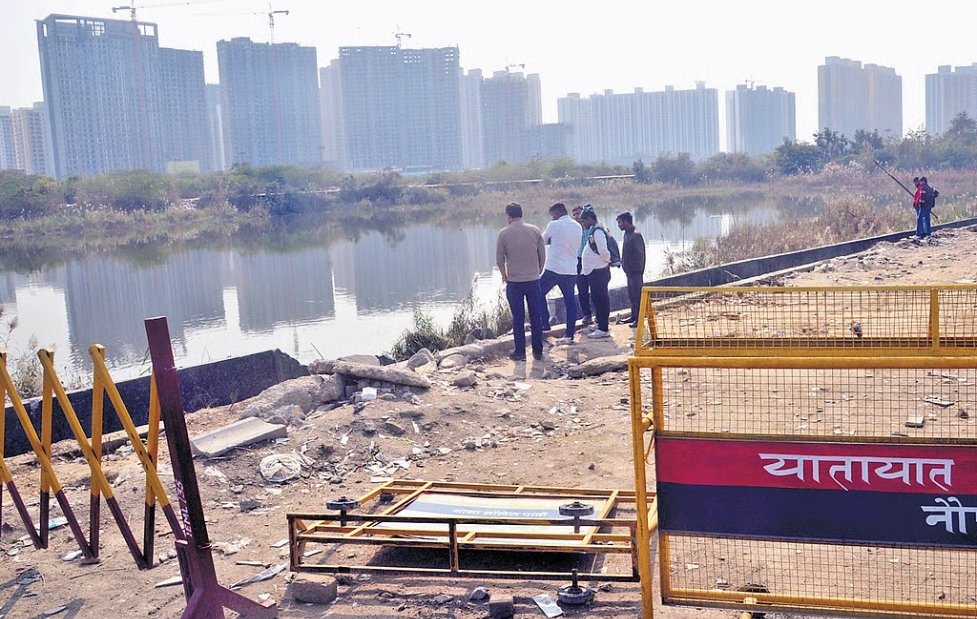
The incident occurred late at night in Sector 150 when the engineer’s SUV fell into a deep, water-filled trench at a construction site. The boundary wall reportedly collapsed, causing the vehicle to plunge suddenly. Trapped inside, the man managed to climb onto the roof of the sinking car and desperately called his family for help, sharing his live location.
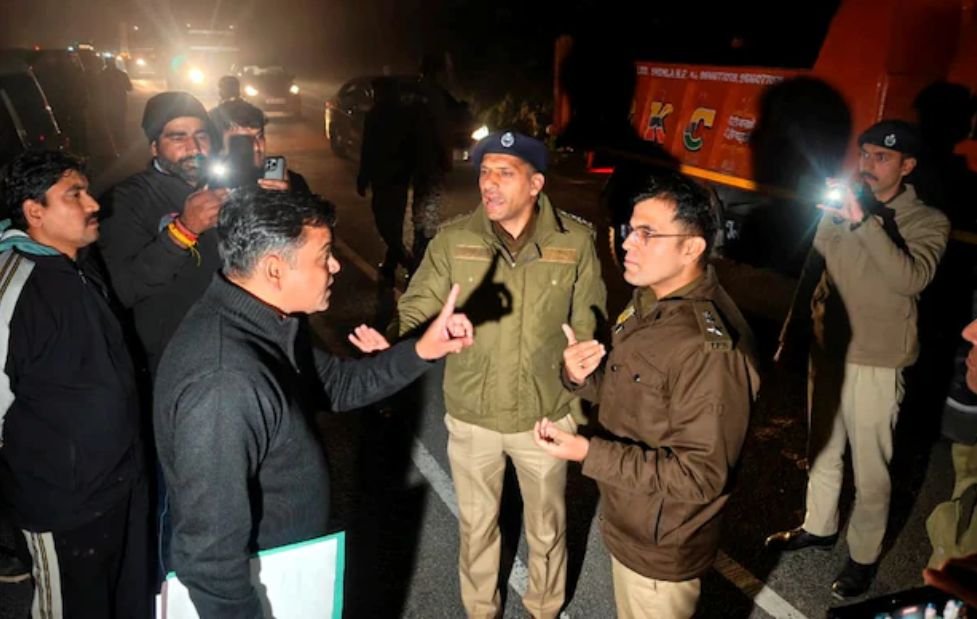
Residents nearby heard his cries and alerted authorities immediately. Within minutes, police, fire services, and disaster response teams reached the spot. What followed, however, was confusion instead of coordination.
Despite the large number of personnel present, rescue efforts moved slowly. Witnesses recalled seeing officials standing around the trench, unsure of the next step. Some lacked basic safety equipment, while others waited for instructions. Precious time passed as the water level continued to rise.
Although trained disaster response teams eventually arrived, essential tools such as life jackets, ropes, inflatable boats, and underwater lights were either missing or delayed. The absence of proper equipment made it nearly impossible to reach the victim in time.
As minutes turned into an hour, the man’s voice faded. By the time rescuers managed to access the vehicle, it was too late.
The tragedy has sparked public outrage. Many questioned how so many responders could be present yet fail to save one life. Experts say manpower alone is not enough. Successful rescue operations require clear leadership, rapid decision-making, specialized training, and ready-to-use equipment.
Urban experts have also pointed to unsafe construction practices and poorly secured sites as contributing factors. In rapidly growing cities, deep open trenches often remain uncovered, posing serious risks to commuters. Authorities have announced an investigation and promised accountability. Meanwhile, the incident stands as a painful reminder that emergencies demand preparation, not just presence. Without proper systems in place, even dozens of rescuers may fail when every second matters.




.png)