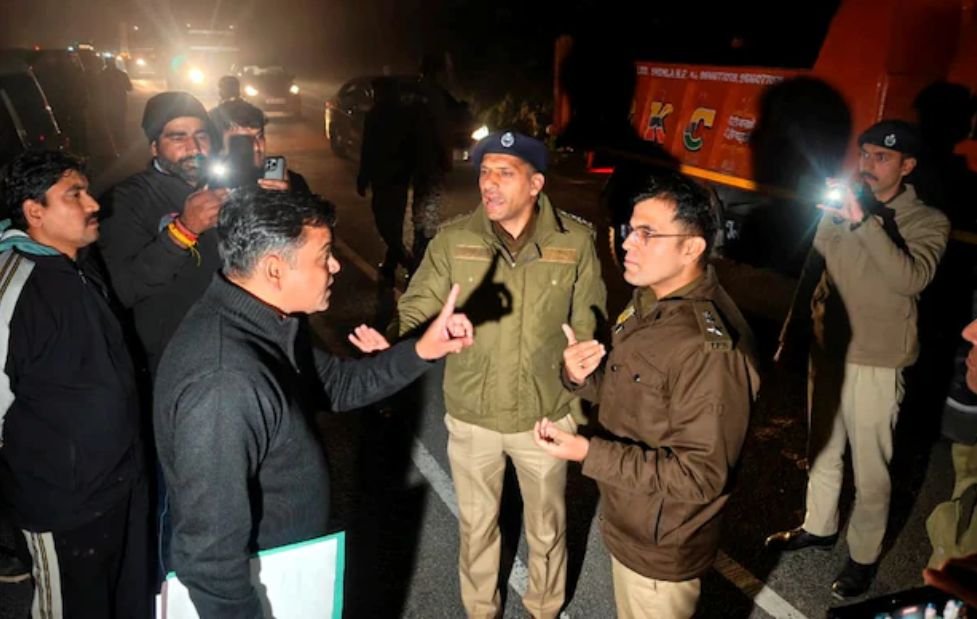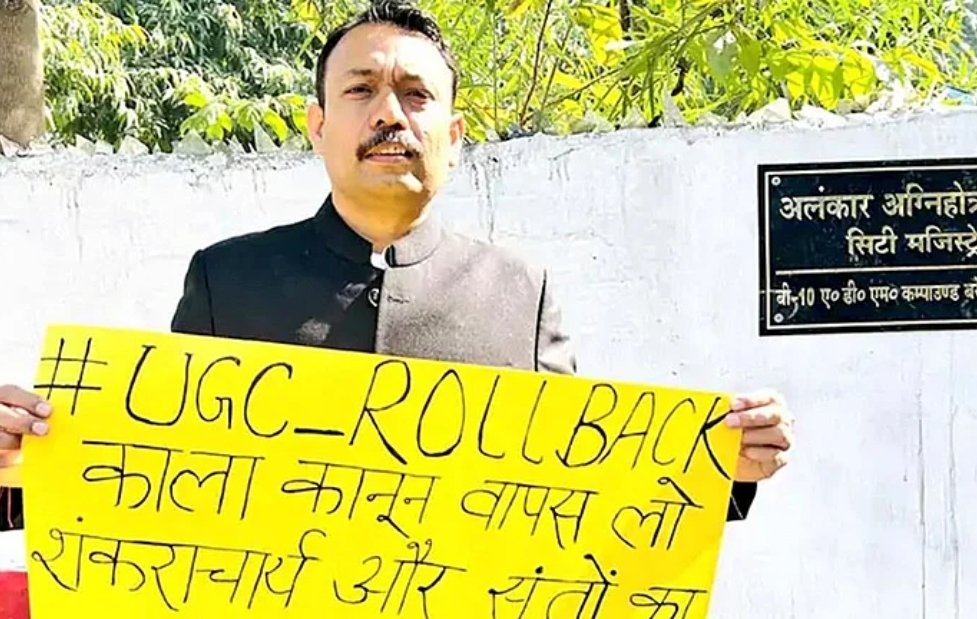
A senior administrative officer in Uttar Pradesh triggered widespread discussion after resigning from his post in Bareilly, citing serious objections to newly introduced higher education regulations. The resignation came on Republic Day, adding symbolic weight to the decision and drawing attention across administrative and political circles.
The officer described the revised education rules as unfair and expressed concern about their possible social consequences. According to him, the changes could lead to complications within the academic system and may affect harmony within institutions. His public criticism brought national attention to ongoing debates around education governance.
In a dramatic statement, the officer also alleged that he was pressured at the residence of a senior official before submitting his resignation. These claims generated intense discussion and prompted calls for clarification from authorities. Senior officials have stated that the matter is being examined, while details continue to be reviewed.
The dispute centres on revised regulations introduced for higher education institutions. Critics argue that certain provisions may create administrative challenges and social tensions. Supporters of the reforms, however, maintain that the rules aim to improve accountability, transparency and institutional efficiency.
The resignation has divided opinion within the bureaucracy. Some view the decision as an act of conscience and protest against policies perceived as flawed. Others believe disagreements should be addressed through internal dialogue rather than public resignation.
Administrative experts point out that such incidents reflect deeper tensions between policy formulation and implementation. While reforms are often necessary to modernize systems, their success depends on consultation, communication and clarity at the ground level.
Officials connected to the education sector have defended the regulations, stating that the intent is to strengthen oversight and bring uniform standards across institutions. They have also acknowledged the importance of addressing concerns raised by stakeholders through discussion and review mechanisms.
The state government has not yet released a detailed response regarding the allegations. As the debate continues, the episode has sparked a broader conversation about administrative autonomy, policy dissent and the responsibility of public servants in expressing disagreement. The incident serves as a reminder that education reforms impact not only institutions but also governance structures, requiring careful balance between authority, dialogue and accountability.


.png)