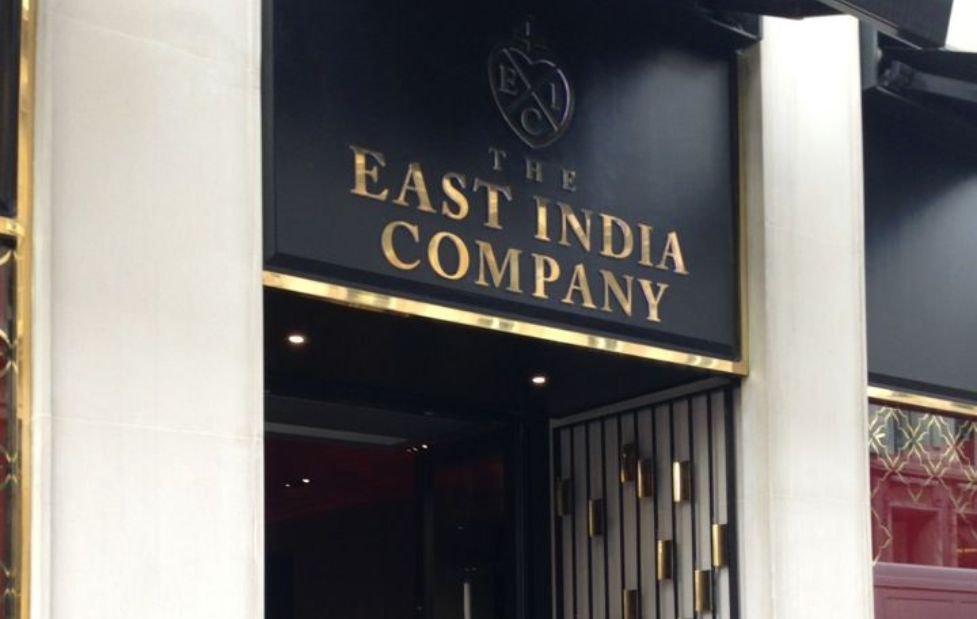
The East India Company, once one of the most powerful commercial empires in world history, has reportedly shut down again more than 150 years after its original collapse. The company that once controlled trade routes and governed large parts of India during colonial times had been revived in modern form, but it has now entered liquidation after struggling as a luxury retail brand.
Originally established in 1600 under a royal charter granted by Queen Elizabeth I, the East India Company began as a trading enterprise focused on spices, silk and other goods from Asia. Over time, however, it transformed into a political and military force. It built private armies, collected taxes and effectively ruled large territories in the Indian subcontinent. Its actions significantly shaped colonial history and left a lasting impact on India and Britain.
Following the Indian uprising of 1857, often referred to as the Sepoy Mutiny, the company’s rule came to an end. The British Crown took direct control of Indian territories, and the East India Company was officially dissolved. That marked the beginning of formal British rule in India.
More than a century later, in 2010, an entrepreneur acquired the rights to the historic name and attempted to relaunch the brand. The modern version was positioned as a luxury lifestyle company based in London. It sold premium teas, fine chocolates and exclusive gift items, aiming to rebrand the historical name as a symbol of heritage and sophistication rather than empire.
Despite initial interest and investment, the revival struggled to compete in a crowded luxury market. Financial difficulties gradually mounted, and the company eventually entered liquidation. Stores were closed and operations ceased, marking what many see as its second and final shutdown.
For some observers, the closure carries symbolic meaning. The original company represented commercial power and imperial expansion. The modern attempt to reshape that legacy into a premium retail brand could not escape financial reality. In the end, history alone was not enough to guarantee business success.