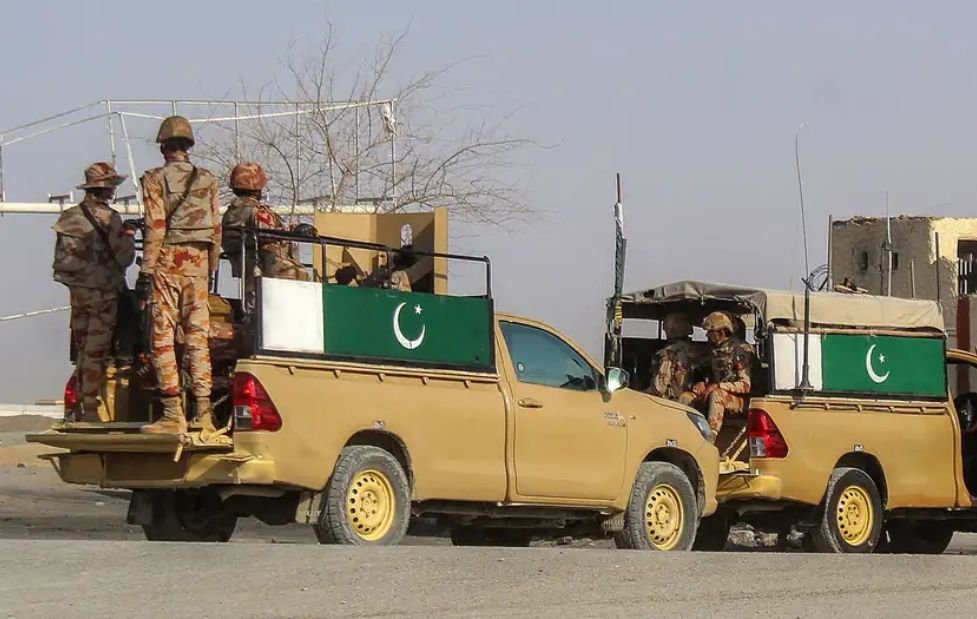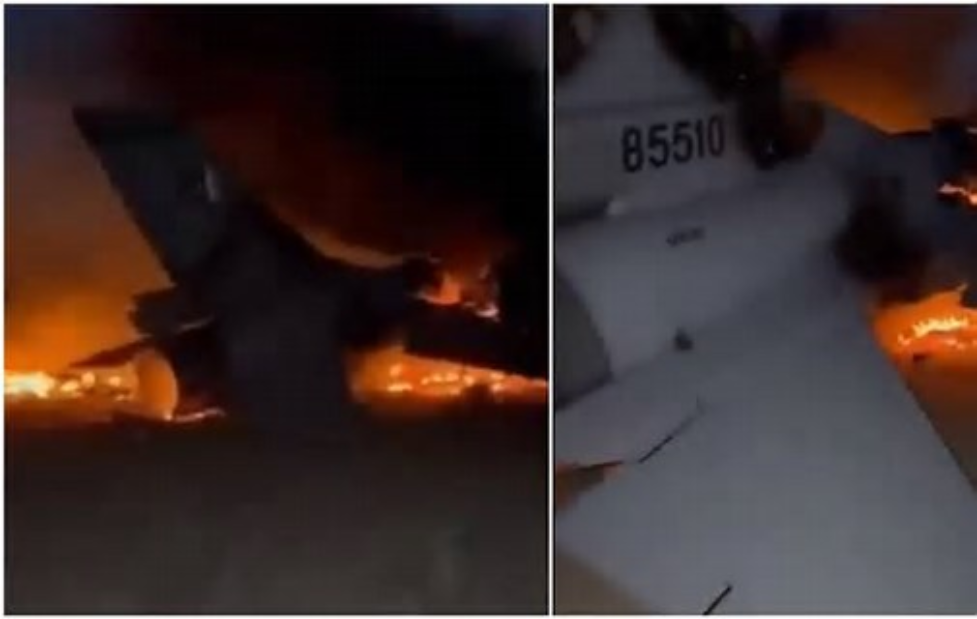
Amid the rising conflict between Pakistan and Afghanistan, a dramatic video began circulating online claiming that a Pakistani F 16 fighter jet had been shot down. The footage showed what appeared to be burning aircraft wreckage with markings resembling a military jet. The clip quickly spread across social media, drawing strong reactions and heated debate.
The claim suggested that the American made F 16, considered one of Pakistan’s key air assets, had been destroyed during the latest escalation. Supporters of the Afghan side shared the video widely, presenting it as evidence of a major military success. But almost immediately, doubts began to surface about whether the footage was authentic.
Independent analysts pointed out inconsistencies in the aircraft’s structure, saying that the wreckage shown did not match the design of a real F 16. Some experts also noted that no credible international confirmation had verified the loss of such an aircraft. Without independent proof, the claim remains uncertain and unproven.
The emotional impact of the story was strong because the F 16 holds symbolic importance in regional military balance. A confirmed loss would have significant strategic implications. That is one reason why the video gained traction so quickly, even before proper verification was completed.
Observers warn that in modern conflicts information travels faster than facts. Visual content can be edited, recycled from older incidents, or even digitally altered. During times of war, narratives are often shaped not only on the battlefield but also online, where perception sometimes becomes more powerful than reality.
As tensions between the two countries continue, this episode highlights how digital platforms have become part of the conflict itself. The truth behind the alleged downing of the jet remains unclear, but the battle over information is clearly intensifying alongside the military confrontation.