3.jpg)
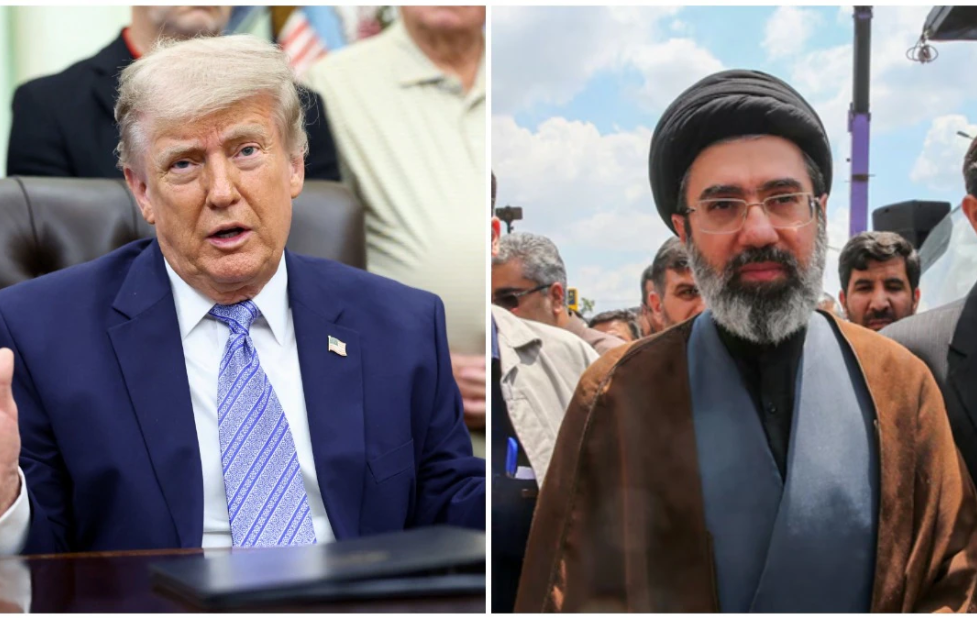
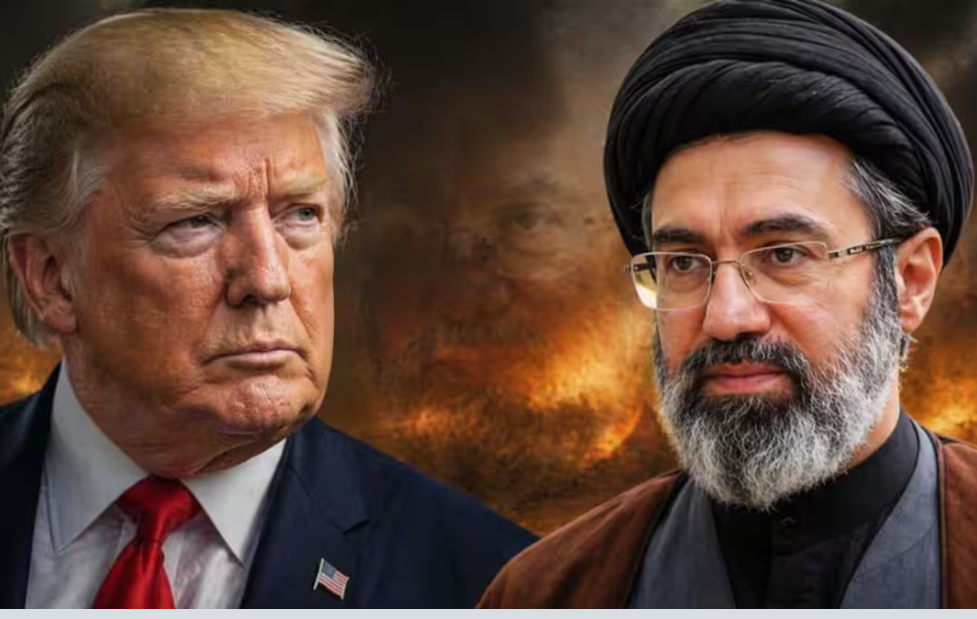
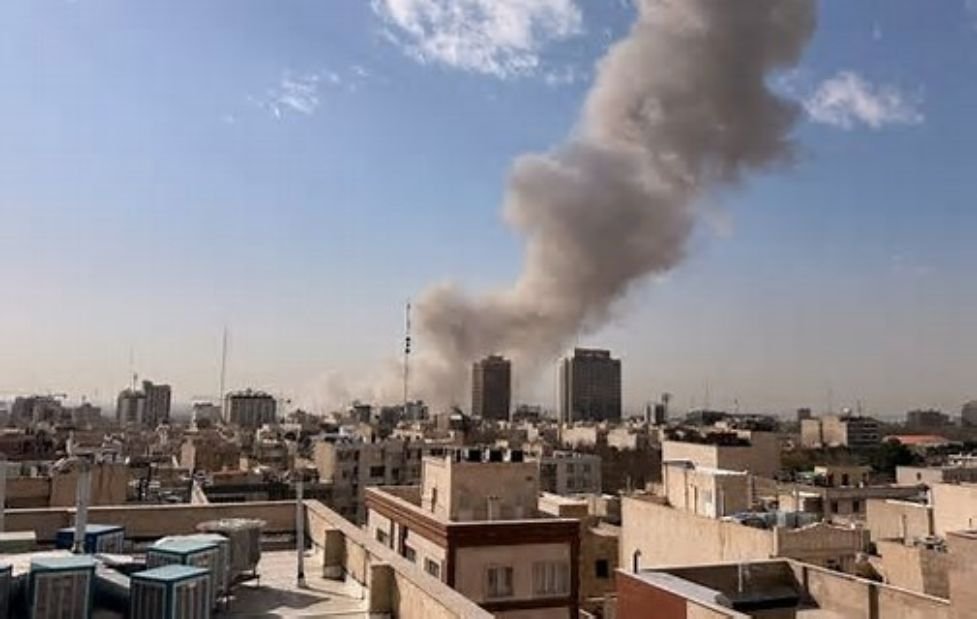
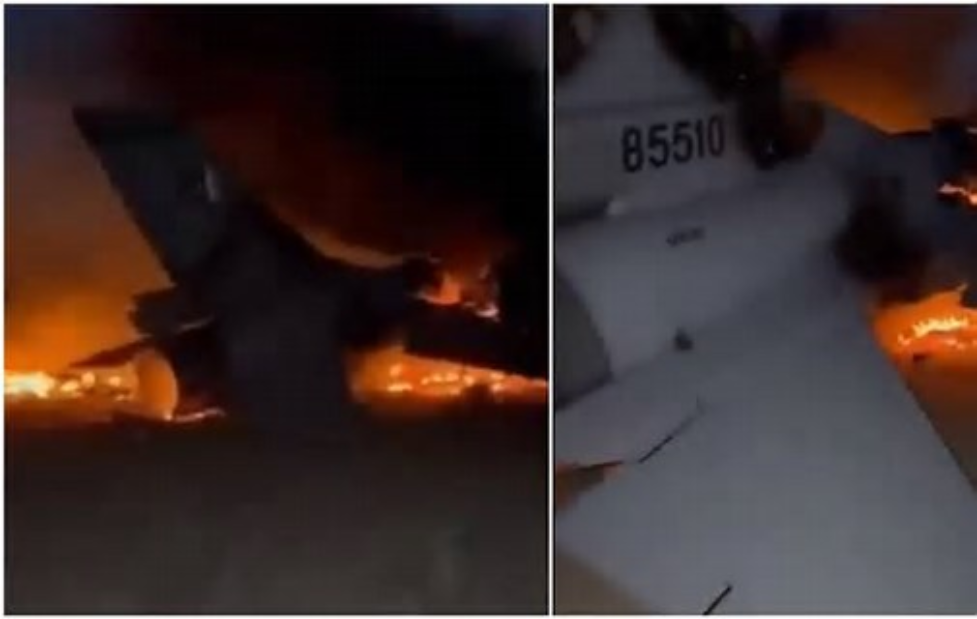
Reports indicate that U.S. military forces have been strategically positioned in preparation for a possible strike on Iran, pending final approval from political leadership. The development signals heightened tensions in the region and reflects serious concerns about recent geopolitical events.
Defense observers suggest that American military assets have been moved into key locations across the Middle East in recent days. These preparations include naval deployments, aircraft readiness, and support operations designed to respond swiftly if authorization is granted. Officials describe the positioning as precautionary, ensuring readiness while diplomatic considerations continue.
At this stage, no final decision has been officially announced. Leadership is reportedly consulting with military and security advisors, carefully evaluating the implications of any potential action. Such decisions carry significant weight, as military engagement in the region could have wide ranging consequences.
The underlying tensions stem from ongoing disputes and security concerns involving Iran’s regional activities. U.S. officials have repeatedly emphasized the importance of deterrence and maintaining strategic stability. However, any escalation also brings the risk of broader conflict, making the situation particularly delicate.
Analysts note that presidential authorization would be required before any strike is carried out. The review process involves assessing intelligence, potential outcomes, and the impact on international alliances. The gravity of such a move demands careful deliberation.
Meanwhile, diplomatic channels remain active. International leaders have urged caution and dialogue, highlighting the importance of avoiding further instability. Balancing military preparedness with diplomatic engagement remains a central challenge.
On the ground, U.S. personnel continue operating in a heightened state of alert. Training exercises and logistical planning are ongoing, ensuring forces remain ready for various scenarios. This state of readiness reflects the unpredictable nature of regional security dynamics.
For observers worldwide, the possibility of military action underscores how quickly geopolitical tensions can evolve. The coming days will likely be critical as leadership weighs options and determines the next course of action.
Whatever decision is made, it will have significant implications not only for the region but for global stability. The situation serves as a reminder of how interconnected international security remains and how carefully measured responses are essential in moments of uncertainty.
Read more Deaths in Iran’s Crackdown on Protests Reach at Least 7,000, Activists Say