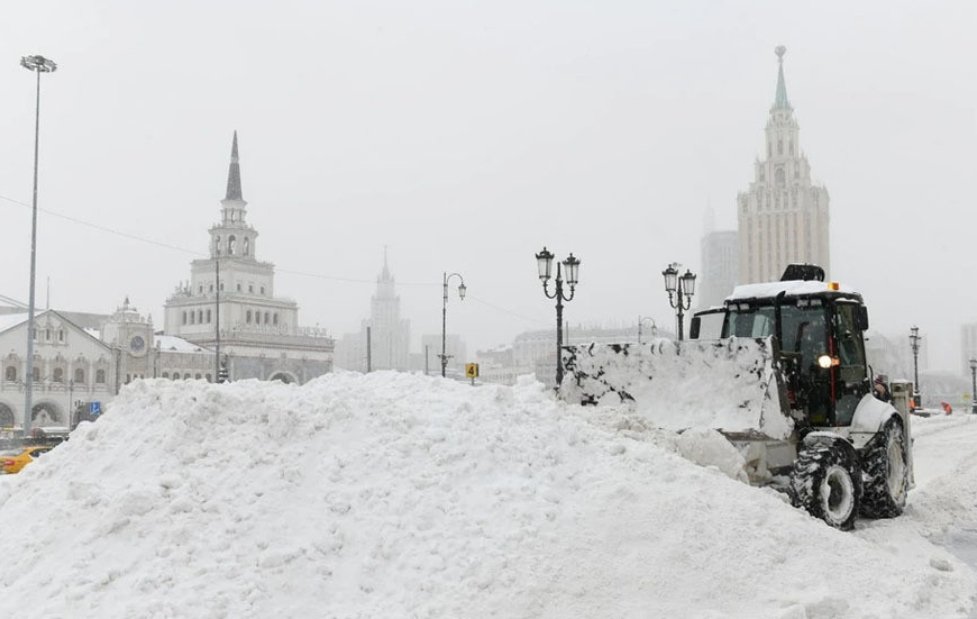
Russia is currently witnessing exceptionally high snowfall, with several regions reporting levels far above seasonal averages. Major cities such as Moscow, Saint Petersburg, and parts of Siberia have been significantly affected, disrupting daily life, transportation networks, and essential services. Meteorological agencies have described the situation as one of the most intense winter events in recent years.
What is causing the heavy snowfall in Russia?
According to climate experts, the primary cause behind this extreme snowfall is a powerful Arctic air mass interacting with moist atmospheric systems from the Atlantic. This collision has resulted in prolonged snowstorms, freezing temperatures, and blizzard-like conditions in many regions. Additionally, shifts in the polar vortex have intensified cold air outbreaks, a phenomenon increasingly linked to broader climate variability.
Impact on daily life and infrastructure
The heavy snowfall has had widespread consequences across Russia. Road and rail transport have been severely disrupted, with highways blocked and train services delayed. Airports in major cities have reported flight cancellations and long delays due to poor visibility and snow-covered runways.
Municipal authorities have deployed thousands of workers and snow-clearing vehicles to manage the situation. Despite these efforts, residents are facing power outages, school closures, and supply chain interruptions. In rural and remote areas, access to essential goods and medical services has become particularly challenging.
Economic and environmental implications
The economic impact of the snowfall is also significant. Businesses have experienced temporary shutdowns, while logistics and delivery services are struggling to operate efficiently. At the same time, the extreme winter conditions have raised concerns about energy demand, as heating consumption rises sharply during prolonged cold spells.
From an environmental perspective, scientists note that while heavy snowfall is a natural part of Russia’s winter climate, the increasing frequency and intensity of extreme weather events may be linked to climate change. Warmer global temperatures can paradoxically lead to heavier snowfall by increasing atmospheric moisture, which then falls as snow in colder regions.
What to expect next?
Weather forecasts suggest that snowfall may continue in parts of northern and central Russia over the coming days, although conditions are expected to gradually stabilize. Authorities have advised residents to limit non-essential travel, stay updated with official weather alerts, and follow safety guidelines.
As Russia navigates this severe winter episode, the event highlights the growing need for climate-resilient infrastructure and improved preparedness for extreme weather. The ongoing snowfall serves as a reminder that changing global climate patterns can have complex and far-reaching local impacts.