Why Tensions Are Rising Again
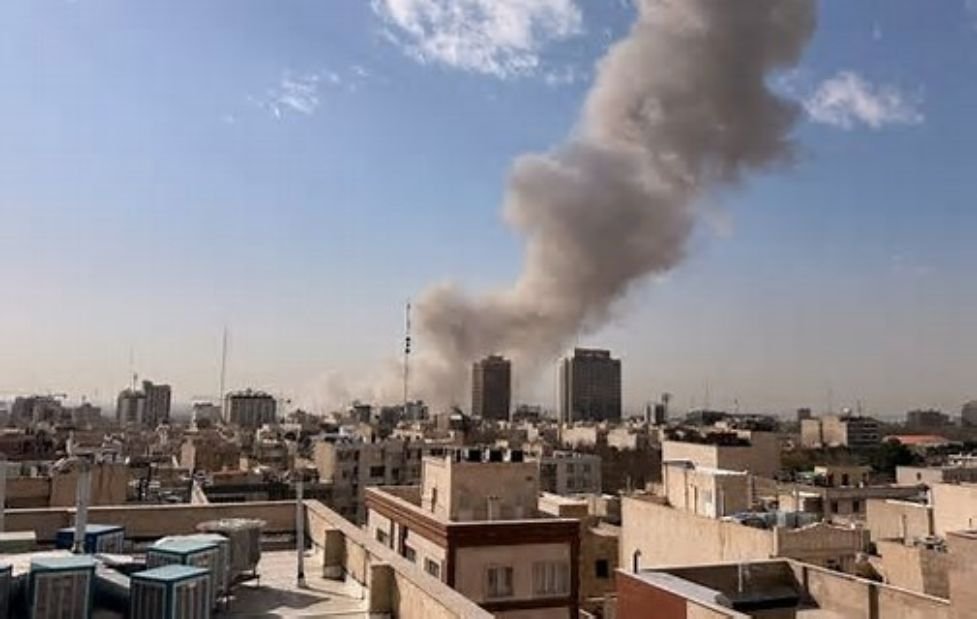
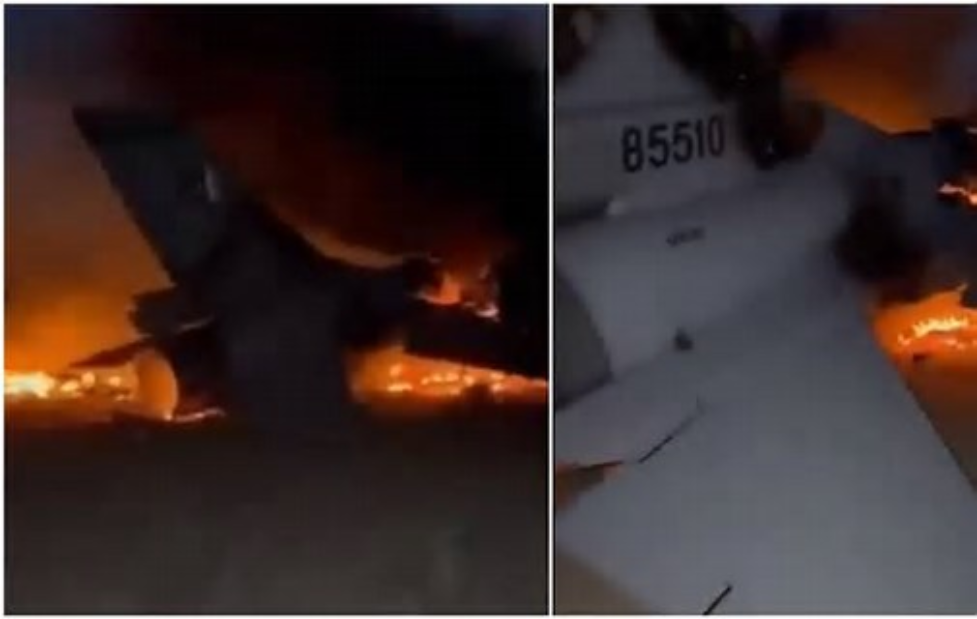
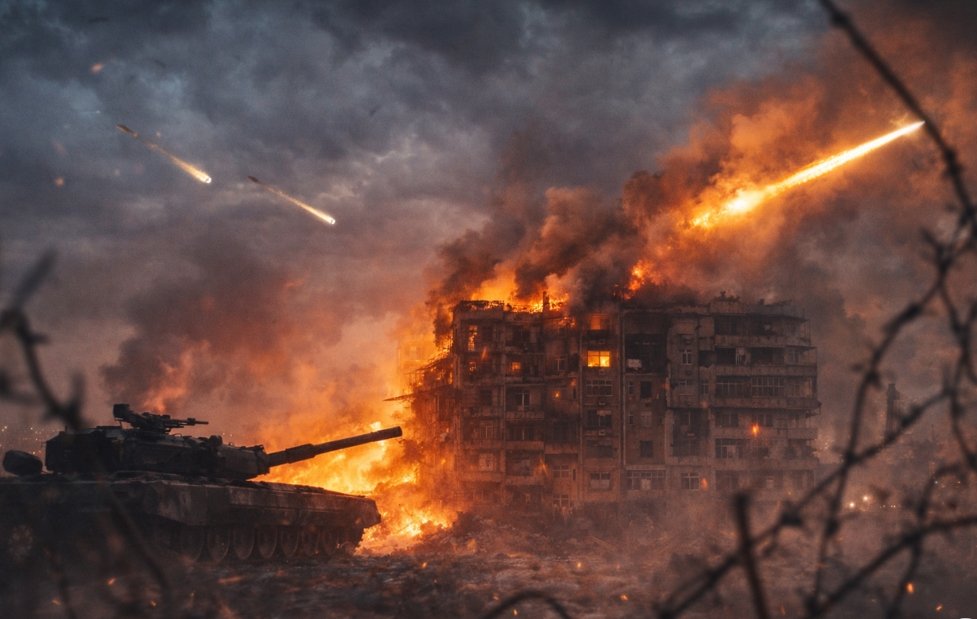
Recent reports indicate that Russia has resumed overnight military strikes in conflict zones, intensifying security concerns across Europe and beyond. The renewed attacks come shortly after diplomatic developments that many believed might slow hostilities.
The shift has triggered discussions among global observers about the stability of current ceasefire or negotiation efforts.
Role of Recent Diplomatic Developments
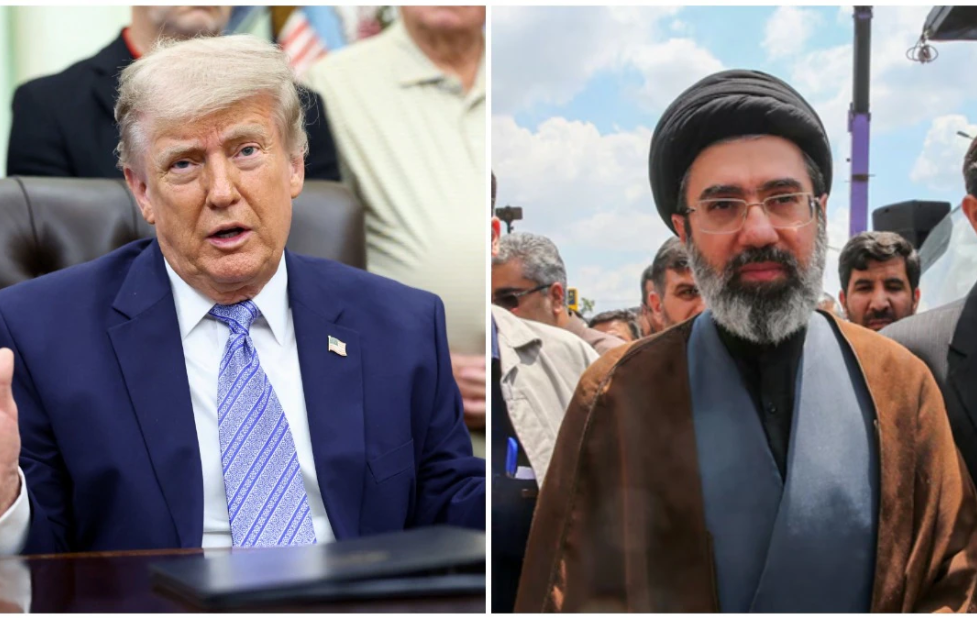
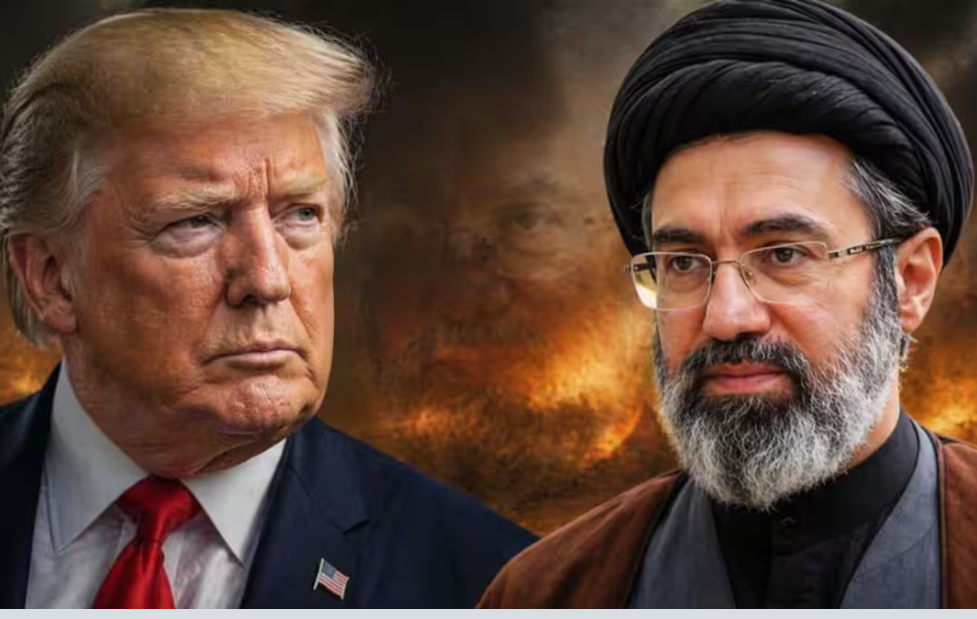
Diplomatic discussions linked to Donald Trump had raised hopes of temporary de-escalation. However, the return of military operations suggests that negotiations remain fragile and uncertain.
Security analysts say such fluctuations are common in prolonged geopolitical conflicts where diplomacy and military pressure often occur simultaneously.
Why Global Concerns Are Growing
The renewed strikes have heightened fears because:
- Night attacks often signal strategic escalation
- Civilian infrastructure risks increase during such operations
- Regional allies may be drawn deeper into the conflict
- Military tensions can impact global political stability
International organizations are closely monitoring the situation to prevent further escalation.
What Happens Next
Experts suggest that diplomatic negotiations are likely to continue alongside military developments. The situation remains fluid, with global powers emphasizing restraint while preparing for possible shifts in regional security dynamics.
The Takeaway
Russia’s renewed night attacks have revived global tension concerns despite recent diplomatic signals of relief. While fears of large-scale conflict are rising, analysts stress that geopolitical situations remain unpredictable and depend heavily on continued international negotiations.
Read more Journalist Ishan Tharoor Speaks Out After Reported Exit From The Washington Post