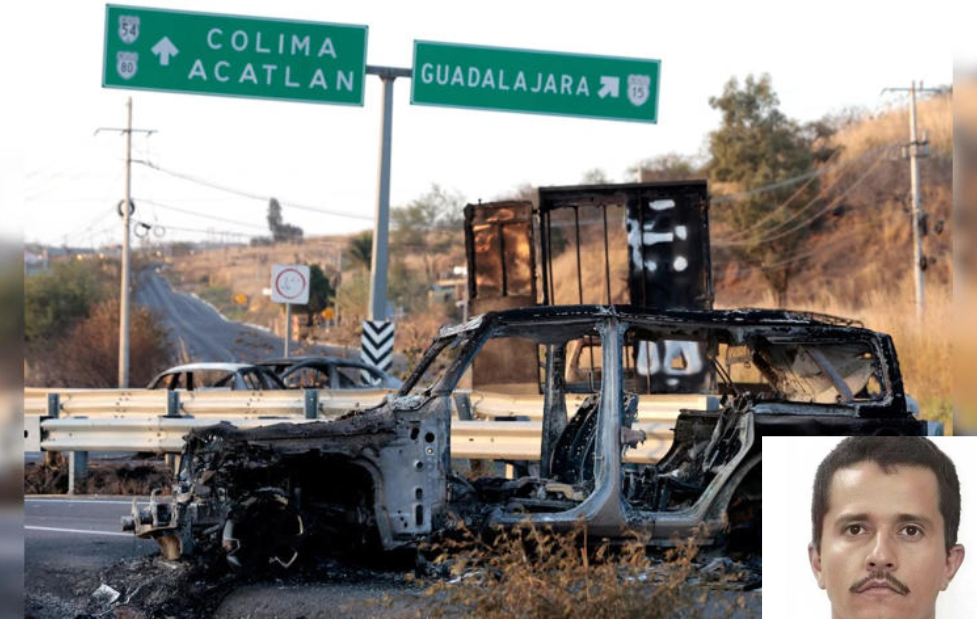
Mexican security forces have intensified operations targeting one of the country’s most wanted drug traffickers, Nemesio Oseguera Cervantes, widely known as “El Mencho,” leader of the powerful Jalisco New Generation Cartel. Investigators reportedly made critical progress by monitoring individuals close to him, including his romantic partner, illustrating how intelligence-driven policing is reshaping anti-cartel operations in Mexico. The development carries broader implications for global counter-narcotics strategies and cross-border security cooperation.
What the Decision Means
The case demonstrates a shift toward targeted intelligence rather than large-scale military-style operations that historically characterized cartel crackdowns. By focusing on personal networks, financial trails, and communication patterns, authorities can reduce collateral violence while improving operational precision.
For law enforcement agencies worldwide, the approach reflects a growing reliance on data analytics, surveillance technologies, and human intelligence integration. Security experts suggest such strategies can disrupt criminal leadership structures more effectively than conventional raids, particularly against decentralized organizations with paramilitary capabilities.
However, the tactic also raises operational risks. Criminal groups often retaliate violently when leadership figures are threatened, potentially increasing short-term instability in affected regions.
The Legal/Political Angle
The pursuit of cartel leaders in Mexico operates within a complex legal and political environment shaped by domestic law enforcement priorities and international cooperation agreements, particularly with the United States. Extradition treaties, organized crime statutes, and anti-money laundering regulations form the backbone of prosecution strategies.
Politically, high-profile operations against figures like El Mencho carry symbolic importance. Mexican governments face domestic pressure to reduce cartel violence while balancing concerns over militarization and human rights. Successes in capturing or neutralizing major cartel figures often serve as indicators of state capacity and political commitment to security reform.
At the same time, critics argue that removing cartel leaders does not always dismantle criminal networks, which can fragment and create new power struggles.
Impact on Bilateral/Global Relations
Cartel violence and narcotics trafficking have long influenced relations between Mexico and the United States, given the cross-border drug trade and shared security concerns. Cooperative intelligence sharing, joint operations, and financial sanctions are central to bilateral counter-narcotics efforts.
Progress in tracking cartel leadership may strengthen diplomatic cooperation, particularly if it results in arrests or asset seizures linked to international criminal networks. It also signals to global partners that Mexico is pursuing more sophisticated enforcement methods aligned with international best practices.
Beyond North America, the outcome may influence transnational crime prevention strategies in regions facing similar organized crime challenges, including parts of Latin America and Europe.
Market and Investor Reactions
Security developments can influence investor sentiment, especially in sectors sensitive to regional stability such as manufacturing, logistics, tourism, and energy. While a single enforcement breakthrough rarely shifts markets dramatically, sustained improvements in security conditions can enhance investor confidence over time.
Conversely, heightened cartel retaliation or localized violence could create short-term uncertainty in certain regions. Multinational corporations operating in Mexico often monitor security indicators closely when making location or expansion decisions.
Financial institutions may also track enforcement actions for implications related to anti-money laundering compliance and sanctions enforcement tied to organized crime networks.
The Bottom Line
Mexico’s intelligence-led pursuit of El Mencho highlights an evolution in counter-cartel strategy, emphasizing precision targeting over broad force deployment. While the long-term impact will depend on whether enforcement efforts translate into sustained reductions in violence, the case illustrates how modern investigative methods including monitoring personal networks are reshaping the fight against organized crime.
The coming months will reveal whether these tactics can deliver lasting security gains or simply trigger the next phase in an ongoing battle between state authorities and powerful criminal organizations.