.jpg)
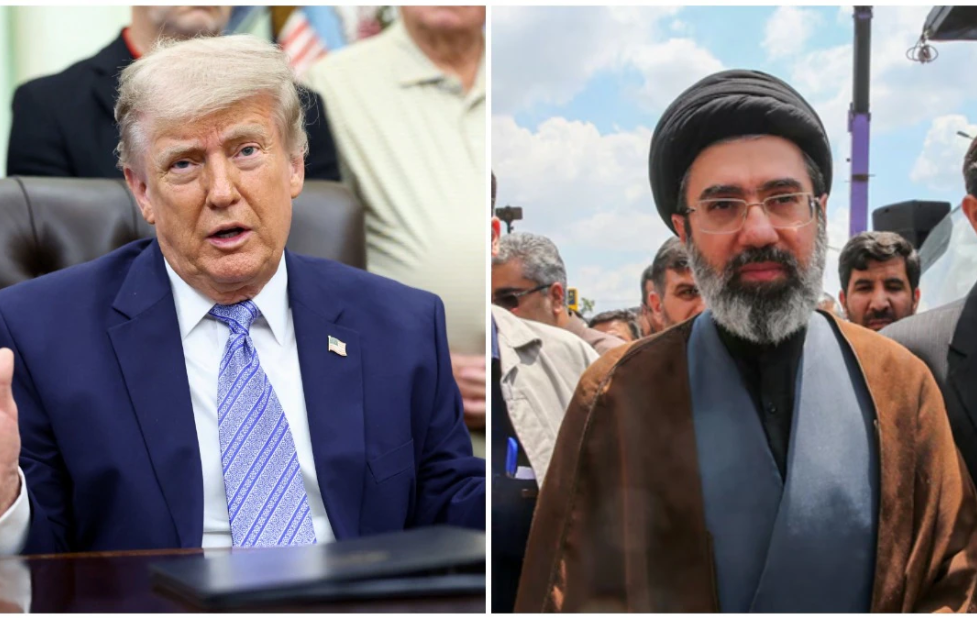
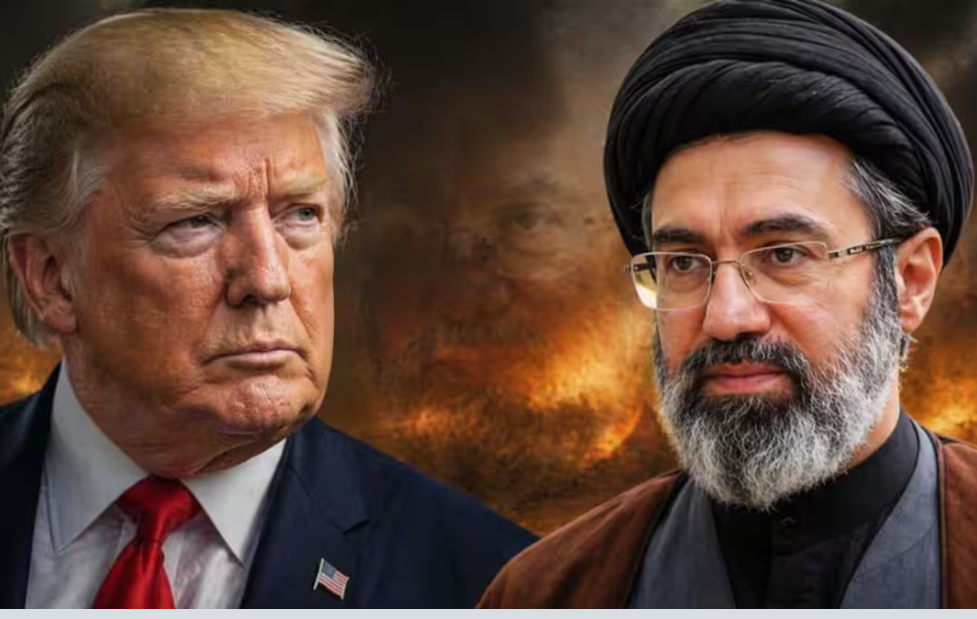
Amid rising tensions between Donald Trump’s administration and Iran, Tehran’s leadership has hinted that any future US military strikes could provoke a strong response that might extend beyond the Middle East. Analysts and intelligence assessments suggest Iran’s missile capabilities including medium-range ballistic and cruise missiles could be used to threaten military assets or allied partners of Washington, particularly in western and southern Europe, if the conflict escalates.
Context Behind the Tensions
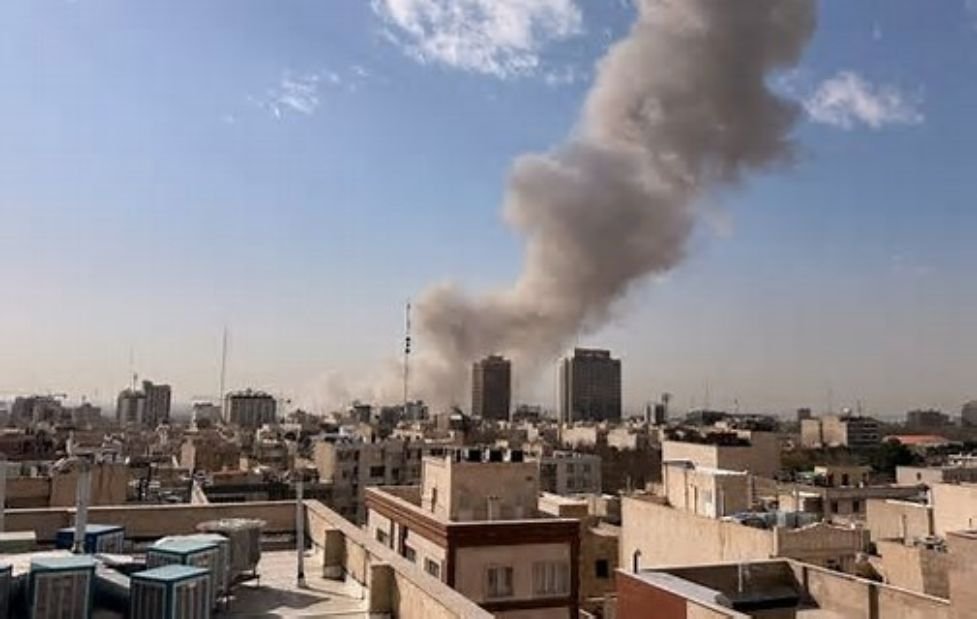
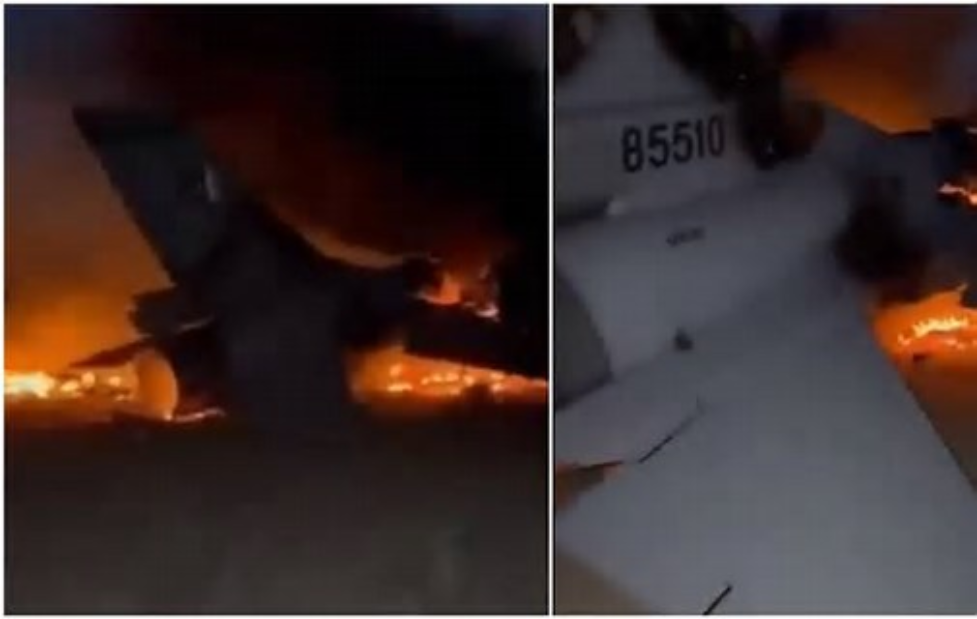
The current standoff traces back to the US and Israeli military action against Iranian nuclear sites during the broader Iran–Israel war, when American aircraft and bunker-busting bombs targeted facilities at Fordow, Natanz, and Isfahan. Tehran condemned the attack and subsequently responded with missile strikes against US bases in the region.
In recent weeks, President Trump has renewed threats of further strikes, while Iran has insisted it will not negotiate on its defense and missile capabilities. Tehran’s foreign minister affirmed that future discussions with the United States must avoid compromising Iran’s strategic missile programs.
Iran’s Missile Arsenal: A Quick Overview
According to defense analysts, Iran possesses a diverse range of missiles that form the backbone of its deterrence strategy:
Ballistic Missiles:
- Emad-1—A medium-range ballistic missile with an estimated range of up to 1,700 km, theoretically capable of reaching parts of southeastern Europe if launched from Iranian soil.
Short-Range Systems:
- Fateh-110—Tactical ballistic missile with a range of about 300 km, widely deployed with road-mobile launchers.
Cruise Missiles:
- Paveh—A long-range surface-to-surface cruise missile with an estimated 1,650 km range, allowing potential reach into eastern Mediterranean zones.
These systems, while not capable of striking the continental United States, could theoretically target military bases, navy groups, or infrastructure in NATO member states such as Germany, Italy, Greece, or Turkey if launched from forward positions or allied territories in the region.
Potential Targets and Strategic Implications
While there is no public confirmation that Tehran plans to target specific NATO capitals, analysts note that:
- European NATO members host US and allied military facilities.
- Proximity to the Middle East puts parts of southern Europe within the range of Iran’s medium-range missiles.
- Missile threats could be delivered indirectly via proxy forces aligned with Iran in the region.
Such scenarios would constitute a significant escalation and risk drawing NATO into a broader conflict under the alliance’s collective defense framework.
International Reactions and Risks
The growing tensions have prompted diplomatic concern. In Europe, the European Union recently designated Iran’s Islamic Revolutionary Guard Corps as a terrorist organization, reflecting deepening unease over Tehran’s regional behaviour.
Meanwhile, US officials continue to deliberate military and diplomatic options, even amid intelligence assessments that Iran’s nuclear program does not currently present an imminent weapons threat.
What Experts Are Saying
Security specialists caution that:
- Iran’s arsenal remains formidable but limited in precision when compared with Western missile defenses.
- A full-scale missile attack on NATO territory would provoke a powerful collective response from the alliance.
- Proxy engagements or regional asymmetrical tactics are more plausible than direct long-range strikes.
They stress that diplomatic engagement, though currently stalled, remains the least destructive path forward even as rhetoric on both sides hardens.
With tensions high and rhetoric escalating, Iran’s vast missile systems are increasingly discussed not just as a regional deterrent, but as potential tools of retaliation. While the prospect of direct missile strikes against NATO allies remains speculative, Tehran’s response capabilities from medium-range ballistic to long-range cruise missiles—illustrate the complex and dangerous dynamics at play in the current US-Iran confrontation