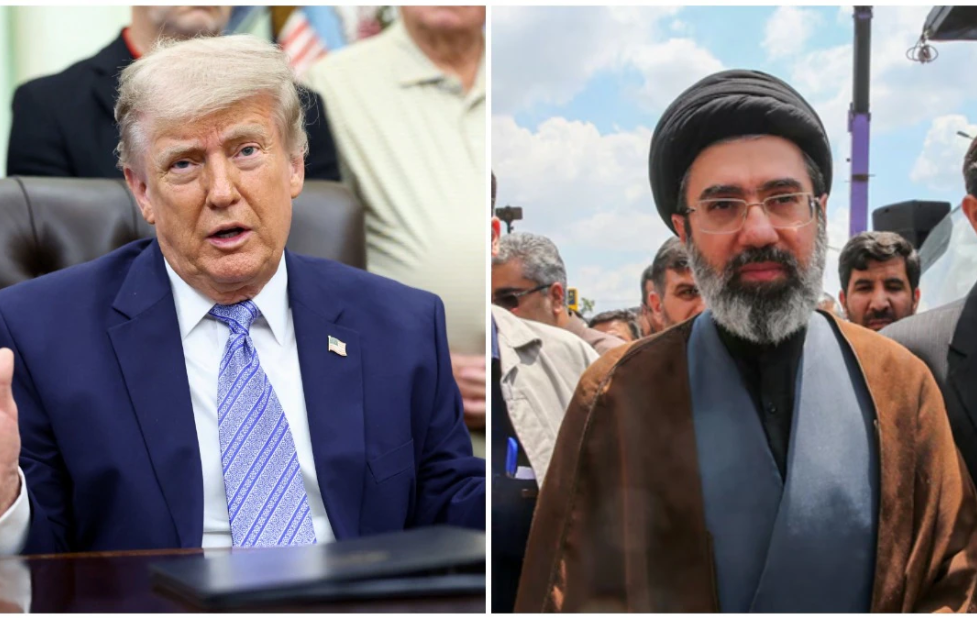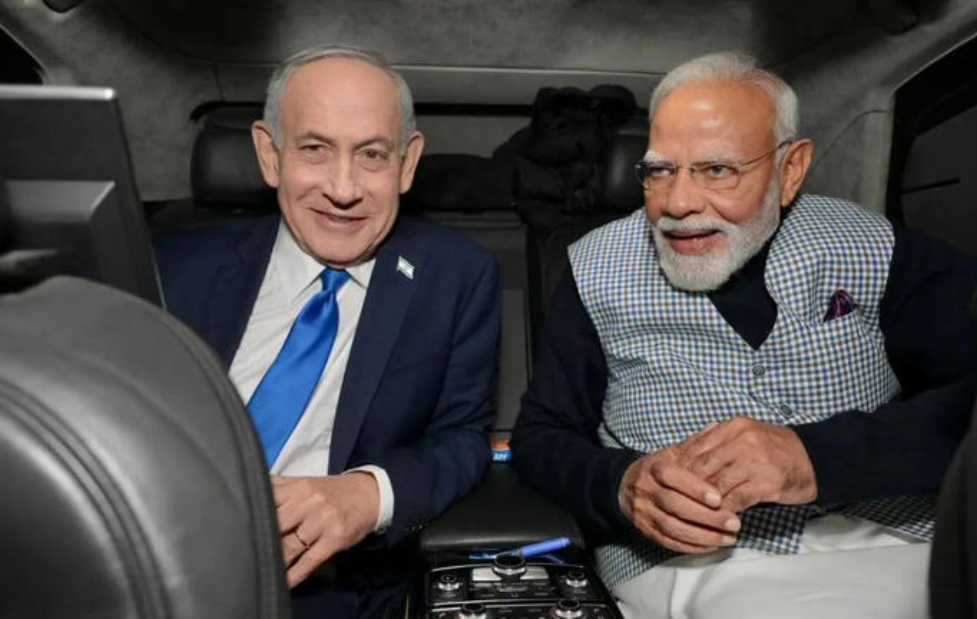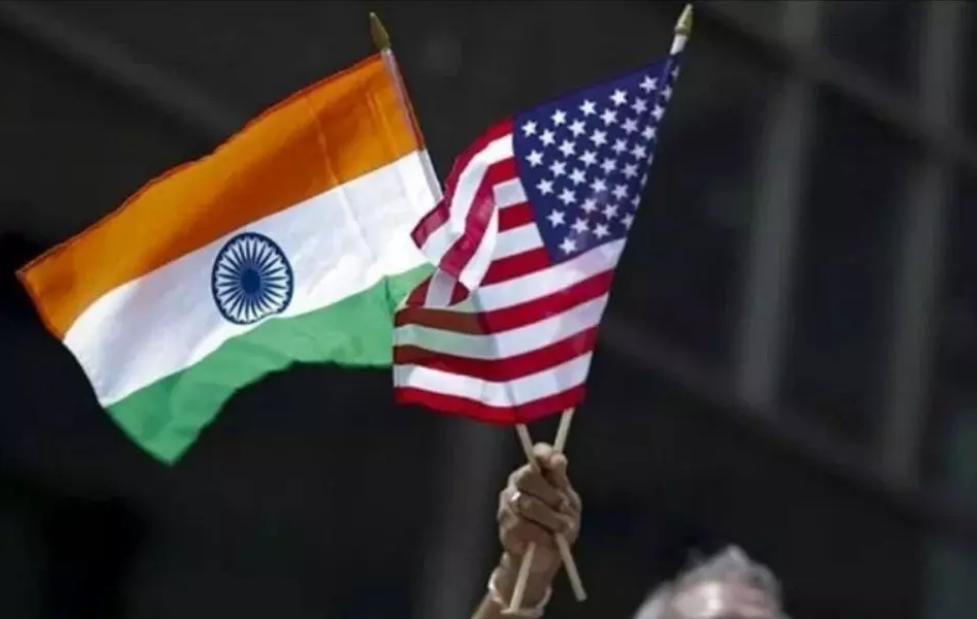
India and the United States have decided to reschedule key trade deal talks after a major legal development in Washington this week. The U.S. Supreme Court struck down tariffs imposed under the Trump administration, creating fresh uncertainty in global trade and prompting Indian officials to delay an important trade negotiation visit.
Originally, India’s top trade officials were scheduled to travel to Washington to finalise details of an interim trade agreement between the two countries. This deal had been close to completion, with both sides agreeing on frameworks that would reduce some of the punitive tariffs that had been hurting Indian exports while also committing India to buy a substantial amount of American goods over the next five years.
However, after the Supreme Court ruled that former President Trump overstepped his authority in imposing broad tariffs under emergency laws, market expectations suddenly shifted. Trump responded by announcing a temporary 15 per cent tariff on global imports, which was the maximum allowed under other trade laws. This unexpected turn made both governments rethink their strategy before officially signing anything.
As a result, trade ministers from both countries agreed to postpone the chief negotiators meeting to a new date, so they can better understand how the court’s decision and the new tariff announcement will affect their deal. This rescheduling comes amid talks about how to reset tariff impacts and whether some terms need to be renegotiated or clarified.
The delay has sparked mixed reactions back in New Delhi. Supporters say that taking a pause is wise, because signing a deal in uncertain circumstances could create long-term challenges for Indian exporters. Critics argue that the postponement will slow down progress and could affect investor confidence.
Economists note that following the court ruling, the effective tariff burden on Indian goods in the U.S. market could drop from earlier high levels, potentially giving India a stronger position in future talks. Nevertheless, the ongoing unpredictability around U.S. trade policies means both sides will need to work more closely before finalising any agreement.
For now, executives in industry and government officials are watching closely as New Delhi and Washington prepare to return to the negotiating table, hoping that a clearer legal footing will help shape a more stable and mutually beneficial trade partnership.
Read more Stanford Scientists Create First Global Map of Deep Mantle Earthquakes