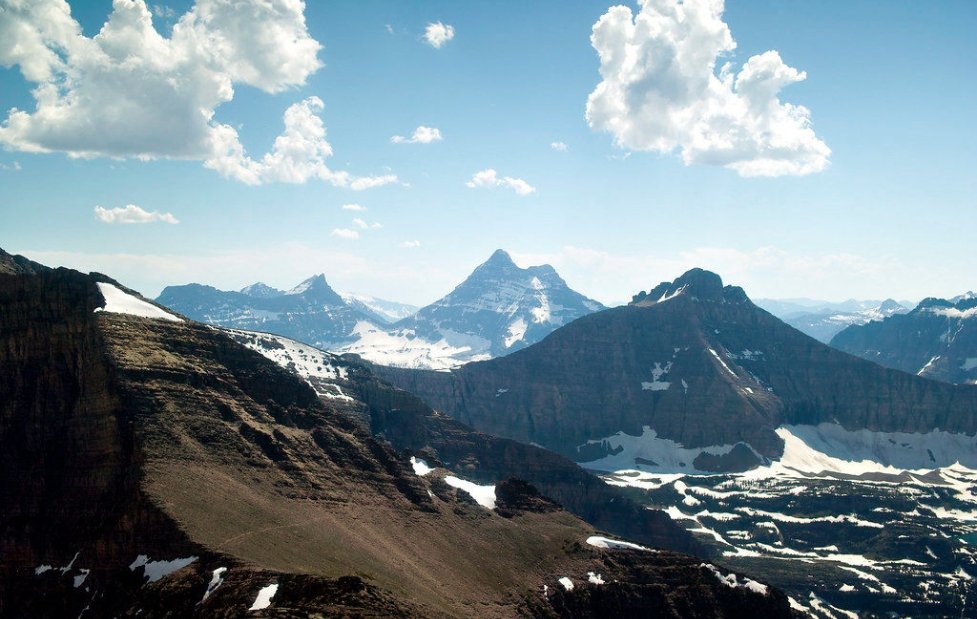
The world’s mountain regions are undergoing rapid and alarming changes, warming significantly faster than the lowlands below them. Scientists now warn that this accelerated heating is transforming snowfall patterns, shrinking glaciers, and destabilizing ecosystems posing serious risks to water supplies and climate stability for over a billion people worldwide.
Why mountains are warming faster
Recent global climate assessments reveal that mountain areas amplify warming due to a combination of thin atmosphere, snow-albedo feedback, and shifting weather systems. As temperatures rise, reflective snow cover melts earlier, exposing darker rock and soil that absorb more heat. This feedback loop causes mountain regions to heat up at rates exceeding global averages.
In many regions, rising temperatures are turning snowfall into rainfall. This seemingly small shift has profound consequences, as snowpack acts as a natural water reservoir, releasing water slowly over time. Rain, by contrast, runs off quickly reducing long-term water availability.
Water systems under threat
Mountains are often called the “water towers of the world”, supplying freshwater to major river systems that support agriculture, industry, and urban life. Regions such as the Himalayas, Andes, Alps, and Rockies provide water to billions across Asia, South America, and Europe.
As glaciers retreat and snowpacks decline, seasonal water flows are becoming increasingly unpredictable. Countries like India and China, which rely heavily on glacier-fed rivers, may face water shortages during dry seasons and increased flood risks during heavy rainfall events.
Extreme weather and ecosystem disruption
Warming mountains are also becoming hotspots for extreme weather events. Intense rainfall, sudden snowmelt, and unstable slopes increase the likelihood of landslides, avalanches, and flash floods. These events not only threaten human settlements but also disrupt fragile mountain ecosystems.
Plant and animal species adapted to cold, high-altitude environments are being pushed upward, often with nowhere left to go. This leads to biodiversity loss and ecosystem collapse, further destabilizing the natural balance of mountain regions.
A global warning signal
Scientists emphasize that the rapid warming of mountains is a clear warning sign of accelerating climate change. The impacts extend far beyond remote peaks, directly affecting food security, water availability, disaster risks, and livelihoods across continents.
Addressing this challenge requires urgent climate action, improved mountain monitoring, and adaptive water management strategies. As the planet warms, the fate of the world’s mountains may well determine the future resilience of human societies far below them.