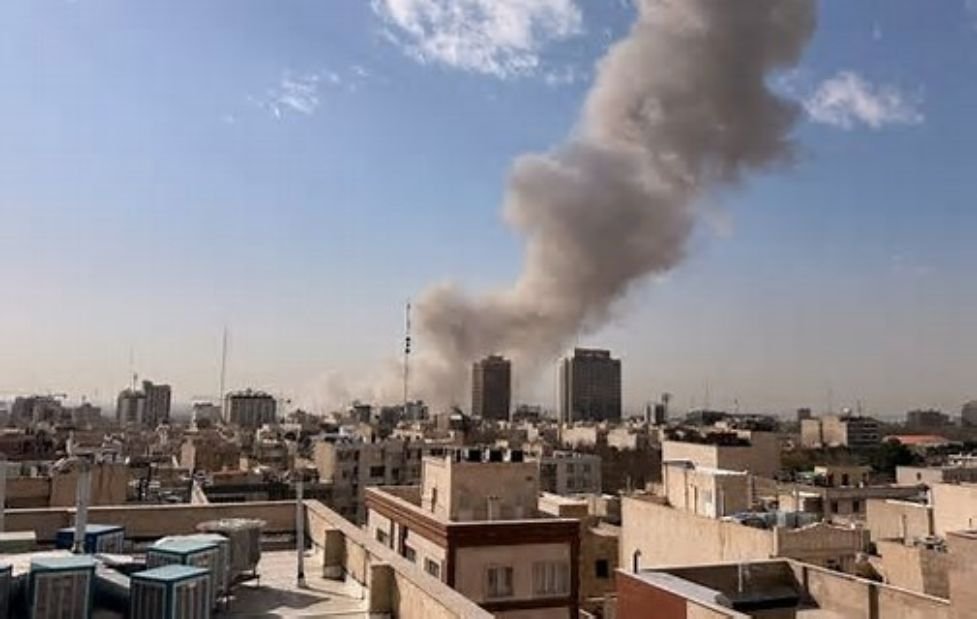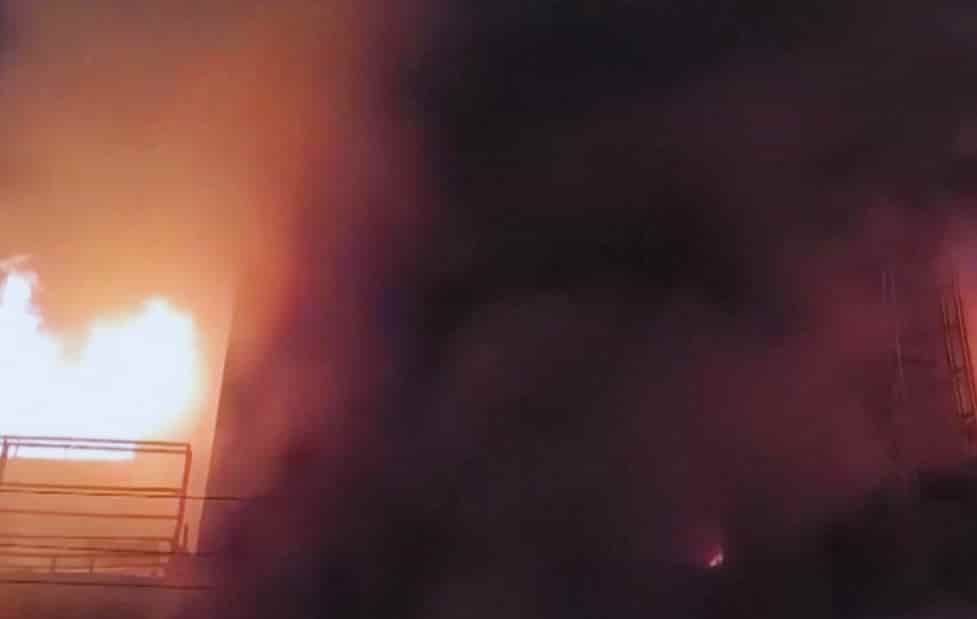
Iran is facing its worst internal crisis since the 1979 revolution, as a nationwide protest movement collides with a brutal state crackdown and a growing wave of refugees fleeing the country. What began as protests over economic hardship in late December has evolved into a full-scale uprising, spreading across all 31 provinces and more than 180 cities.
Human rights groups report that over 2,400 protesters have been killed and more than 18,000 arrested, with some estimates suggesting up to 12,000 deaths in just two nights on January 8 and 9. Iran’s near-total internet blackout has made independent verification difficult, but leaked videos and survivor accounts confirm widespread use of live ammunition, mass arrests, and forced confessions.
Iran’s Violent Crackdown on Protesters
Security forces have been accused of deliberately firing at crowds, often targeting faces and eyes a tactic documented by Amnesty International as intentional maiming to terrorize protesters. State television has aired at least 97 forced confessions obtained under torture, while families of detainees are being warned to stay silent.
Night raids, arbitrary detentions, and mass surveillance have turned Iranian cities into fear zones. The government’s message is clear: dissent will be punished with imprisonment, humiliation, or death.
Mass Exodus Begins as Iranians Flee
Unlike previous protest waves, this crisis has triggered a mass exodus. Thousands of Iranians are fleeing toward Turkey, Armenia, and other neighboring countries, abandoning homes and livelihoods. On January 12, the U.S. State Department urged all Americans to leave Iran immediately, reinforcing fears that the situation is spiraling out of control.
Border towns report families arriving with little more than bags, fleeing both violence and the belief that reform is no longer possible.
Trump’s Intervention Raises Risk of Regional War
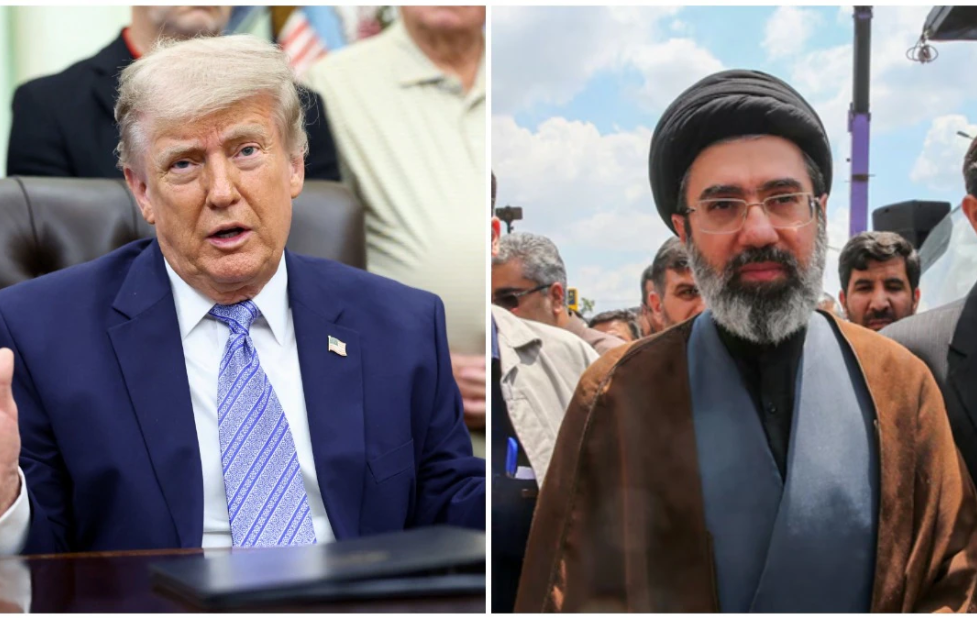
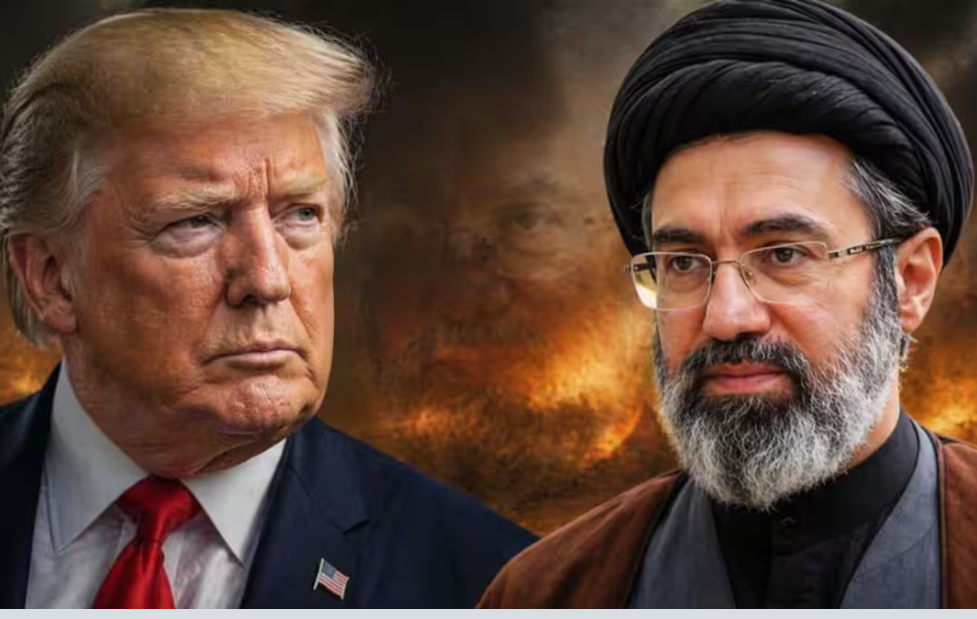
The crisis escalated globally when Donald Trump directly addressed Iranian protesters, urging them to “keep protesting” and promising U.S. support. He canceled diplomatic contacts, imposed 25% tariffs on countries trading with Iran, and warned of military action.
Trump’s statements have transformed Iran’s unrest into a global geopolitical flashpoint.
Iran and Russia Respond
Iran’s Foreign Minister Abbas Araghchi accused foreign powers of fueling the unrest and declared that Iran is “fully prepared for war.” Tehran warned that U.S. and Israeli interests across the Middle East would become legitimate targets if Washington intervenes.
Russia has echoed Iran’s claims of foreign destabilization, raising the risk of a broader U.S.–Russia proxy confrontation.
Why the Crisis Is Different This Time
Protesters are no longer demanding reforms they are calling for regime change. Slogans such as “Death to the Dictator” and even “Long Live the Shah” signal deep rejection of the Islamic Republic.
Meanwhile, the internet shutdown has paralyzed hospitals, banks, pharmacies, and commerce, effectively turning Iran into a sealed-off police state.
What Comes Next?
With thousands dead, borders filling with refugees, and Trump threatening intervention, Iran stands on the edge of civil collapse or regional war.
As Iranians flee under gunfire and global powers trade threats, the world is watching to see whether this uprising becomes another crushed revolt—or the moment Iran’s future changes forever.