.jpg)
Supreme Court Pushes Mental Health Into Fundamental Rights
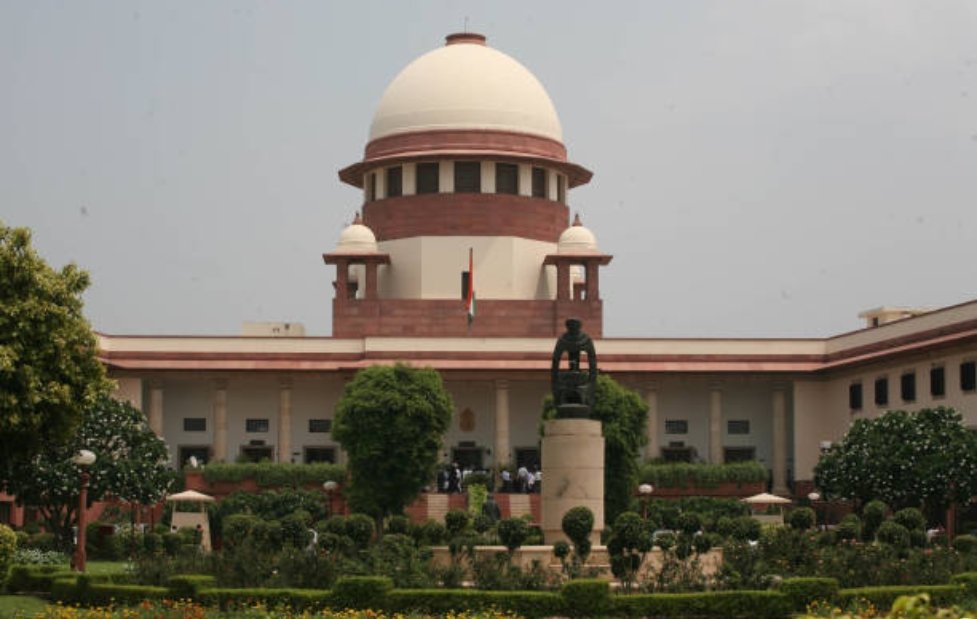
India’s higher education system is undergoing its most significant mental health reform after the Supreme Court ruled student well-being an essential part of the right to life under Article 21.
The landmark direction followed the suicide of a 17-year-old NEET aspirant from Andhra Pradesh in 2025, exposing the deep psychological toll of India’s competitive education ecosystem.
In response, the University Grants Commission (UGC) released its Uniform Policy on Mental Health and Well-Being for Higher Educational Institutions in January 2026, a framework that now mandates structured mental health support across universities, colleges, coaching centers, hostels, and residential institutions nationwide.
The policy marks a historic shift: mental health is no longer optional welfare it is now a regulatory obligation.
Mandatory Mental Health Centres on Every Campus
Under the new UGC guidelines, all higher education institutions must establish dedicated Mental Health & Well-Being Centers equipped with:
- Private counselling rooms
- Waiting areas ensuring confidentiality
- Clearly displayed helpline and centre contact details
- Online visibility through institutional websites
The aim is to remove one of the biggest barriers to mental healthcare on campuses fear of stigma and lack of accessibility.
UGC officials noted that many students previously avoided counselling simply because facilities were hidden, understaffed, or socially visible.
One Counsellor for Every 100 Students
One of the most transformative aspects of the policy is the mandatory staffing ratio.
Key requirement:
- 1 trained counsellor or psychologist per 100 students
- Institutions with fewer students must establish external referral partnerships
Counselors must have expertise in:
- Adolescent and youth mental health
- Stress and anxiety management
- Suicide prevention and crisis intervention
This marks the first time India has enforced a numerical mental health staffing standard in education turning moral responsibility into measurable accountability.
Suicide Prevention Infrastructure Becomes Mandatory
Recognizing the alarming rise in campus suicides, the guidelines introduce physical and structural safety measures, including:
- Tamper-proof ceiling fans
- Restricted access to rooftops and balconies
- Identification of high-risk zones
- Crisis-response protocols
Institutions must also display Tele-MANAS helpline numbers prominently across campuses and digital platforms.
Each university or college must maintain a custom suicide prevention plan, allowing early identification of vulnerable students and structured emergency response mechanisms.
MANASSETU Portal to Monitor Compliance
To ensure implementation does not remain symbolic, the UGC will monitor compliance through a centralized digital platform named MANASSETU.
Institutions must submit:
- Annual mental health reports
- Counselling utilization data (anonymized)
- Training records
- Referral statistics
Regulators, including UGC, AICTE, CBSE, and State Education Departments will use this data to assess:
- Student well-being indicators
- Dropout rates
- Attrition and crisis outcomes
This system introduces institutional accountability where mental health neglect can no longer be ignored.
Academic Pressure Reforms Target Root Causes
Beyond counseling, the guidelines address systemic stress drivers within Indian education.
Institutions are directed to:
- Stop academic segregation based on performance
- Avoid “topper batches” and labeling systems
- Review exam patterns to reduce overload
- Promote holistic development over rank obsession
Career counselling must also become mandatory, helping students and parents understand diverse career pathways beyond medicine, engineering, and civil services—long considered pressure epicenters.
Mandatory Mental Health Training for Faculty
All teaching and non-teaching staff must undergo biannual mental health training, covering:
- Identifying early warning signs
- Psychological first aid
- Handling distress and self-harm indicators
- Referral procedures
Special sensitivity training is required for supporting:
- SC/ST/OBC students
- Economically weaker sections
- LGBTQ+ students
- Students with disabilities or trauma backgrounds
Vice-chancellors and principals will be held personally accountable for implementation failures.
Hostels, Ragging, Bullying Under Direct Scrutiny
UGC mandates safe residential environments, requiring institutions to:
- Prevent ragging, harassment, bullying, and substance abuse
- Maintain confidential complaint systems
- Ensure hostel wardens receive mental health training
Mental well-being is now treated as inseparable from campus safety and dignity.
Implementation Challenges Remain
Despite strong policy intent, challenges persist:
- Severe shortage of trained psychologists in India
- Financial constraints for smaller colleges
- Cultural stigma around seeking mental health support
- Monitoring compliance across thousands of institutions
Experts warn that without adequate funding and recruitment support, implementation risks becoming uneven particularly in rural and semi-urban colleges.
Why This Policy Matters
India has 37.4 million higher education students, one of the largest youth populations globally.
Rising suicide rates, exam-related stress, competitive pressure, and post-pandemic psychological fallout have made student mental health a national emergency, not merely an institutional issue.
By constitutionally linking mental health to the right to life, the Supreme Court has permanently altered how education governance functions in India.
A Turning Point for Indian Education
The UGC’s mental health mandate represents a foundational shift from reactive crisis response to preventive mental healthcare infrastructure.
Whether it transforms campus reality depends on:
- Funding support
- Professional recruitment
- Cultural change
- Strict enforcement
But for the first time, Indian students have legal recognition that their mental well-being matters as much as academic performance.
This policy may not end the crisis overnight but it establishes something unprecedented in Indian education: Mental health is no longer invisible. It is now an institutional responsibility.
.png)

3.png)
2.jpg)

1.jpg)
1.jpg)
1.jpg)