

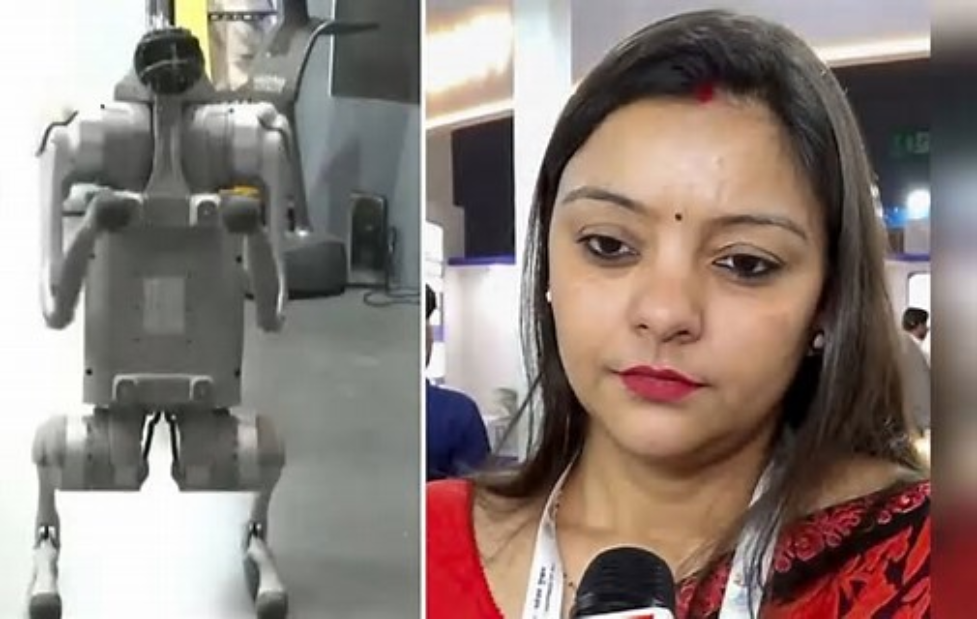
The controversy linked to a robotic dog demonstration at the India AI Impact Summit 2026 has intensified after the LinkedIn profile of Neha Singh, a professor associated with Galgotias University, became inaccessible online. Users attempting to view the page encountered a “404 — page doesn’t exist” message, typically indicating deletion or restricted availability. The development follows public debate over claims surrounding the showcased technology and raises broader questions about academic credibility, institutional oversight, and the reputational risks associated with viral tech demonstrations.
What the Decision Means-
The removal or unavailability of a professional profile during a controversy can have significant reputational implications for both individuals and institutions. In the technology and academic sectors, credibility is closely tied to transparency, research authenticity, and verifiable achievements. When controversies emerge, stakeholders including students, industry partners, and collaborators often seek clarity through publicly available professional records.
For universities, incidents involving faculty claims about emerging technologies can affect institutional brand perception, particularly when showcased at high-profile events. Educational institutions increasingly operate in competitive global environments where partnerships, research funding, and student recruitment depend on reputation.
The episode also highlights the growing scrutiny faced by demonstrations of advanced technologies such as robotics and artificial intelligence, where expectations around originality, functionality, and intellectual ownership are high.
The Legal/Political Angle-
From a legal standpoint, controversies related to technology demonstrations may involve questions about intellectual property rights, misrepresentation, or contractual obligations with event organizers. While there is no indication of formal legal action in this case, institutions sometimes conduct internal reviews to determine whether claims made during public presentations align with documented research outputs.
Politically, the incident intersects with India’s broader push to position itself as a global leader in artificial intelligence innovation. Government-backed events and industry summits aim to showcase domestic capabilities, meaning any controversy can attract attention beyond academic circles. Maintaining credibility in innovation ecosystems is critical for policy initiatives promoting technology entrepreneurship and research excellence.
Institutional responses, including clarifications or investigations, often play a key role in restoring confidence when disputes arise.
Impact on Bilateral/Global Relations-
While the controversy is primarily domestic, it reflects challenges faced by emerging technology ecosystems globally — particularly around validation of claims and demonstration authenticity. International collaborations in AI research depend heavily on trust, peer review, and institutional credibility.
India’s expanding role in the global AI landscape means that incidents involving academic or technological claims can influence perceptions among foreign partners, investors, and research institutions. However, isolated controversies rarely alter long-term collaboration trajectories unless systemic concerns emerge.
The situation also underscores the importance of ethical standards in technology promotion, an issue being discussed internationally as AI adoption accelerates.
Market and Investor Reactions-
Direct financial market impact is likely minimal, as the controversy involves an academic demonstration rather than a listed technology company. However, investor confidence in emerging technology sectors often depends on the credibility of innovation ecosystems, including universities, startups, and research institutions.
Venture capital and corporate investors typically conduct rigorous due diligence before funding AI or robotics ventures. Public controversies can reinforce the importance of technical validation, intellectual property protection, and independent verification in investment decisions.
For private universities, reputational factors can indirectly influence enrollment demand, industry partnerships, and research grants over time.
The Bottom Line-
The disappearance of Professor Neha Singh’s LinkedIn profile amid scrutiny over a robotics demonstration adds another layer to an evolving controversy involving academic claims and technological credibility. While the immediate implications remain reputational, the episode highlights broader themes around transparency, verification, and institutional accountability in the rapidly growing AI sector.
As India continues positioning itself as a global technology hub, maintaining rigorous standards in research presentation and public demonstrations will remain essential for sustaining trust among stakeholders at home and abroad.
Read more School Withholds Class X Admit Cards Over Fee Hike Row
.png)
3.png)
2.jpg)

1.jpg)
1.jpg)
1.jpg)

.jpg)