

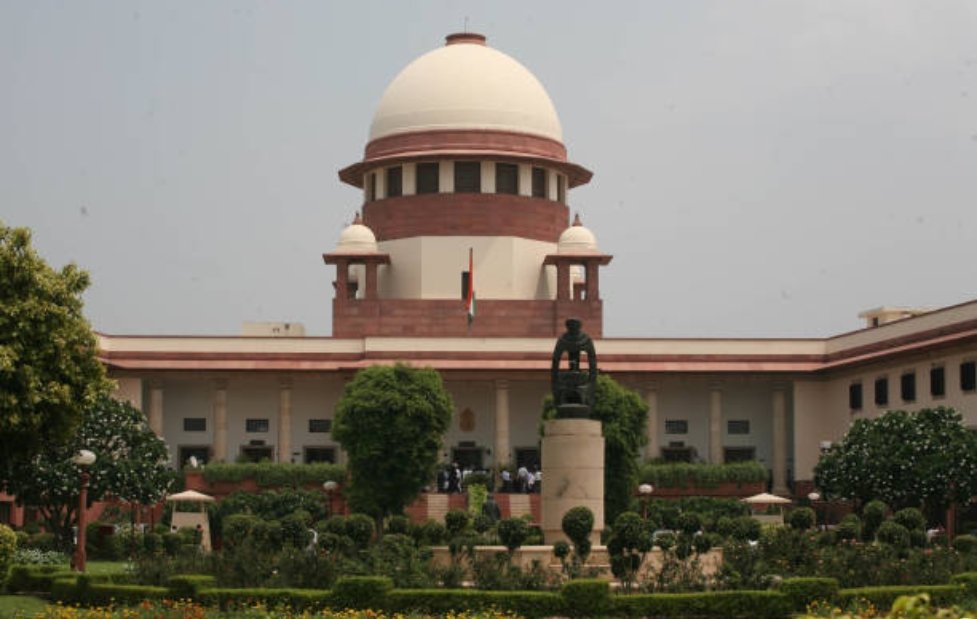
The Supreme Court of India has sparked a major controversy by ordering an inquiry into six Ayurved colleges in Gujarat that allegedly admitted students who did not qualify the NEET UG exam. Tha students were given conditional admission into Bachelor of Ayurvedic Medicine and Surgery and Bachelor of Homoeopathic Medicine and Surgery courses, hoping that the cut off might later be relaxed, as has happened in some past cases.
According to the amended AYUSH regulations of 2018, candidates must meet a minimum prescribed NEET percentile to be eligible for admission. However, these colleges went ahead and offered seats to students who failed to meet this requiremnt, assuming that the Central Government might later modify the eligibility criteria. This assumption, however, did not materialise.
Earlier, a single judge ruled that such admissions could not be considered valid because the students never challenged the amended admission rules in court. The judge also noted that the conditional admissions clearly mentioned that finalisation depended on AYUSH approval and cut off clearrance, which never happened.
The matter was later appealed with arguments that earlier court decisions had allowed reduction in marks when there were not enough qualified candidates. Despite this, the Gujarat High Court division bench upheld the earlier order, stating that the minimum percentile requirement could not be ignored. It clarified that lowering cut offs after counselling does not automatically give students a right to admission.
The Supreme Court refused to interfere with the High Court’s ruling but said the issue needed deeper examination. Notices were issued to six colleges including Ananya College of Ayurved in Kalol, Bhargav Ayurved College in Dahemi, Indian Institute of Ayurved in Rajkot, BG Gareiya Ayurved College in Rajkot, Global Institute of Ayurved in Rajkot and Jai Jalaram Ayurvedic Medical College in Shivpuri. These colleges were asked to submit affidavits explaining how students were admitted and retained, sometimes even in senior years.
The court also directed Gujarat Ayurved University and the Central Council of Indian Medicine to form a joint committee to examine the matter in detail. The inquiry may have serious implications for admission processes and the credibility of medical education standards.
Read more Why Japanese Students Use Red Paper While Studying
.png)

3.png)
2.jpg)
1.jpg)
1.jpg)
1.jpg)

.jpg)