

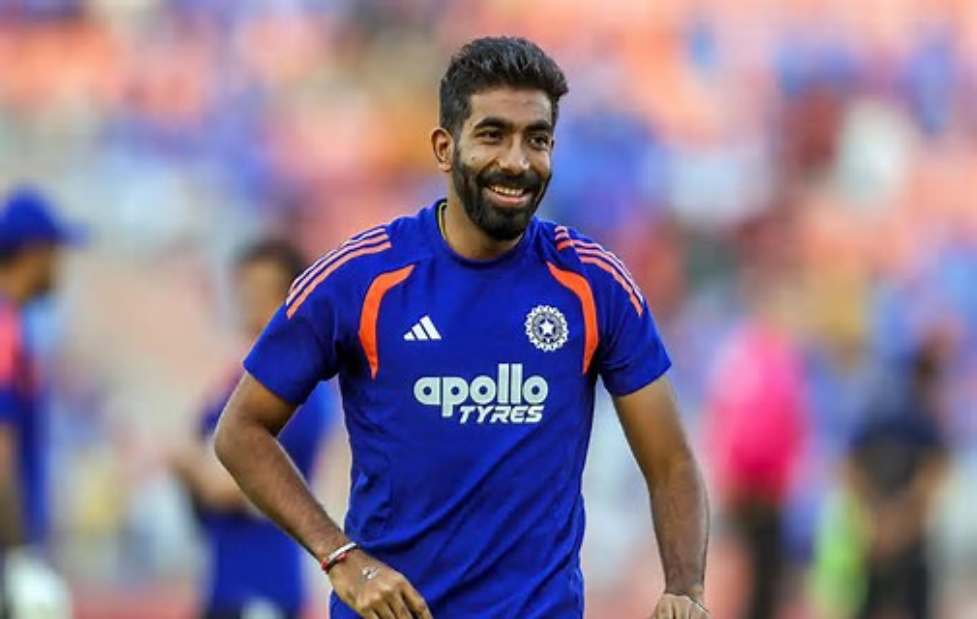
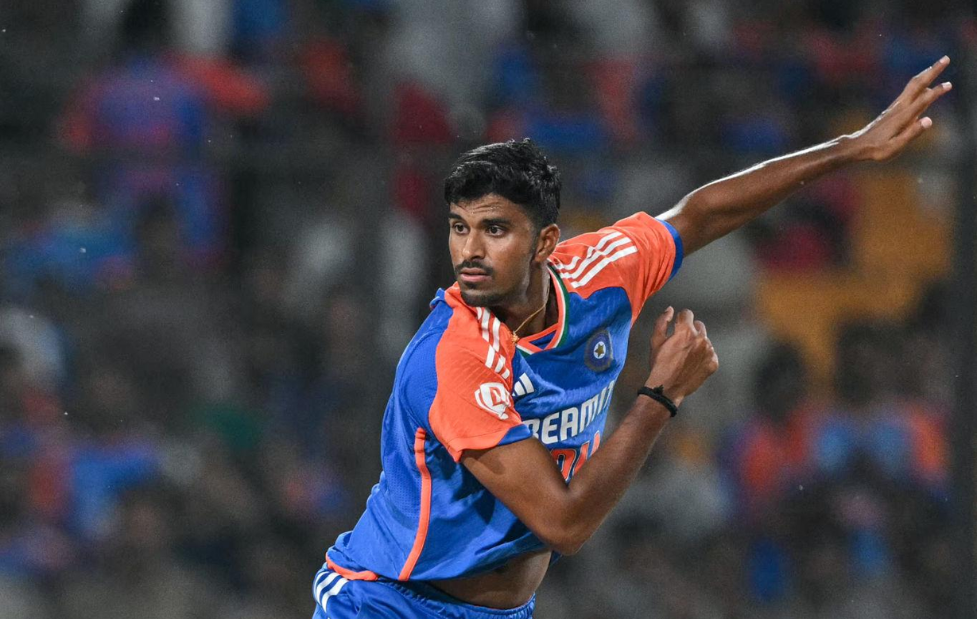
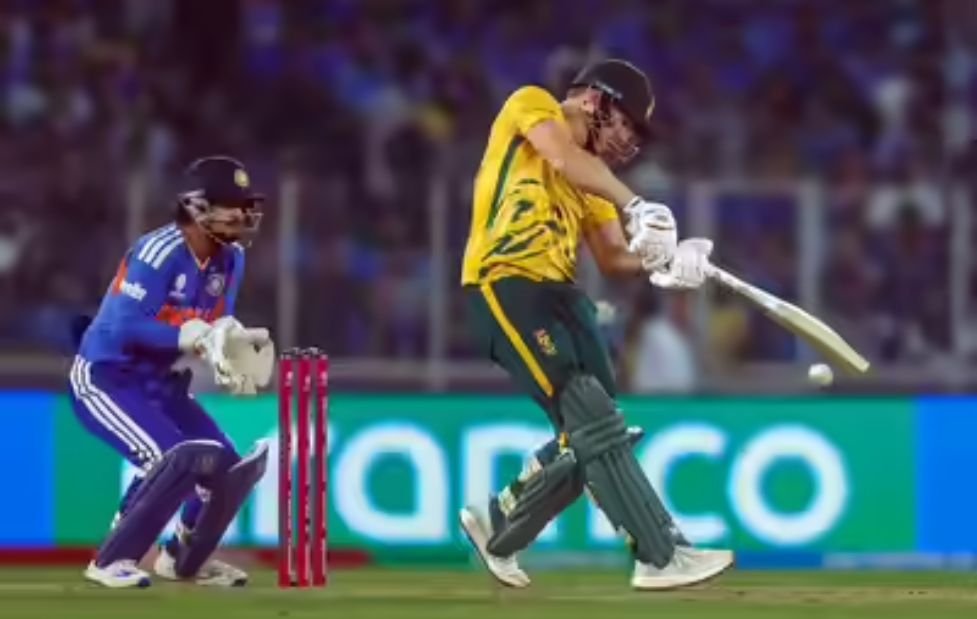
Former India international Mohammad Kaif has offered a critical assessment of India’s defeat against South Africa national cricket team in the ICC Men's T20 World Cup, pointing to tactical decisions during the middle overs as the turning point. Kaif argued that premier fast bowler Jasprit Bumrah was not deployed optimally between the seventh and fifteenth overs, a phase where the opposition gained momentum. The defeat has complicated India’s semi-final qualification prospects and intensified scrutiny on captaincy decisions under pressure.
What the Decision Means-
Kaif’s analysis highlights the strategic importance of resource allocation in T20 cricket, where a few overs can significantly alter match outcomes. Bumrah is widely regarded as one of the world’s most effective bowlers across formats, particularly known for his ability to control scoring rates and take wickets in high-pressure situations.
By suggesting that Bumrah could have been introduced earlier or used differently during the middle phase, Kaif pointed to the broader tactical challenge teams face: balancing immediate control with preserving key bowlers for death overs. Such decisions can influence match tempo, opposition confidence, and ultimately results.
For team management, the criticism underscores the need for flexible planning rather than rigid pre-match strategies, especially in high-stakes tournament games where conditions and match dynamics evolve quickly.
The Legal/Political Angle-
While sporting decisions do not carry legal implications, leadership scrutiny in major tournaments often intersects with administrative accountability within cricket boards. Team selection, captaincy authority, and coaching strategies are closely monitored by stakeholders, including fans, sponsors, and governing bodies such as the Board of Control for Cricket in India.
Public commentary from former players also contributes to performance discourse, influencing media narratives and potentially shaping future tactical approaches. In India, cricket carries significant national attention, meaning sporting setbacks can generate debates that extend beyond purely athletic considerations.
Impact on Bilateral/Global Relations-
Matches between India and South Africa often attract global attention due to the competitive stature of both teams. Sporting rivalries can enhance bilateral goodwill and fan engagement, even when results disappoint one side.
From a broader perspective, international tournaments reinforce cricket’s role as a form of soft diplomacy, strengthening ties between nations through shared sporting culture. India’s performance in global events also influences its commercial leverage within the international cricket ecosystem, given its central role in broadcasting revenues and sponsorship markets.
Market and Investor Reactions-
High-profile tournament outcomes can influence commercial aspects of cricket, including broadcasting viewership, sponsorship engagement, and brand endorsements linked to players. While a single defeat does not significantly alter market dynamics, consistent performance trends can affect team brand value and individual player endorsements.
Companies associated with major tournaments monitor fan engagement metrics closely, as emotional highs and lows in sports often translate into fluctuations in consumer attention and marketing returns. For advertisers, knockout-stage progression typically offers higher visibility, meaning qualification uncertainty can affect promotional planning.
The Bottom Line-
Mohammad Kaif’s critique of India’s tactical approach, particularly regarding Jasprit Bumrah’s utilisation, reflects the fine margins that define outcomes in modern T20 cricket. With semi-final qualification now uncertain, the team faces both strategic and psychological challenges in upcoming matches.
The episode underscores a broader lesson in elite sport: decision-making under pressure, especially concerning key performers, can shape tournament trajectories as much as individual brilliance on the field.
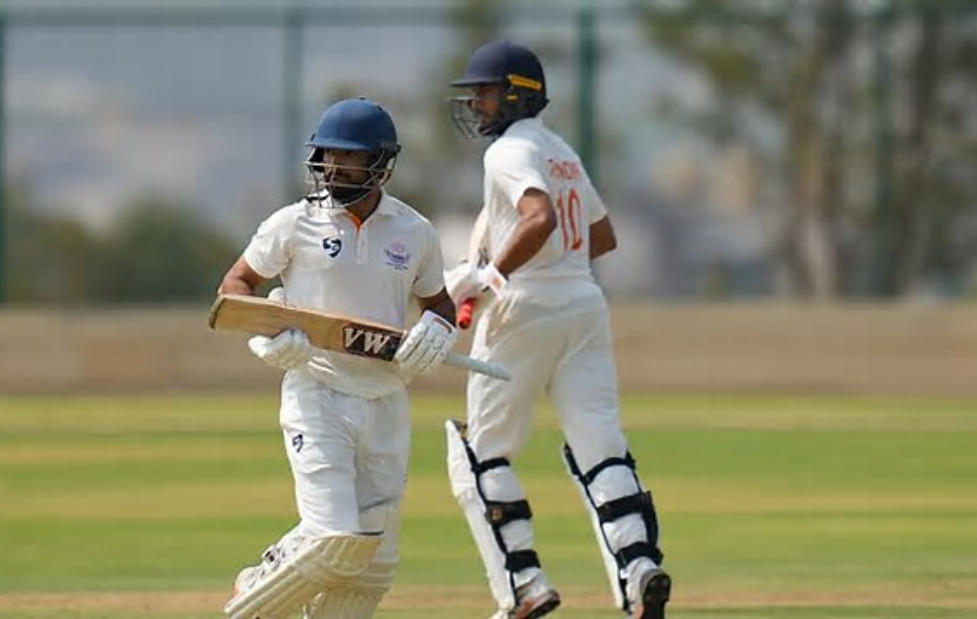
Read more Ranji Final: Karnataka Face Jammu Kashmir Challenge

2.jpg)
2.jpg)
2.jpg)
2.png)