


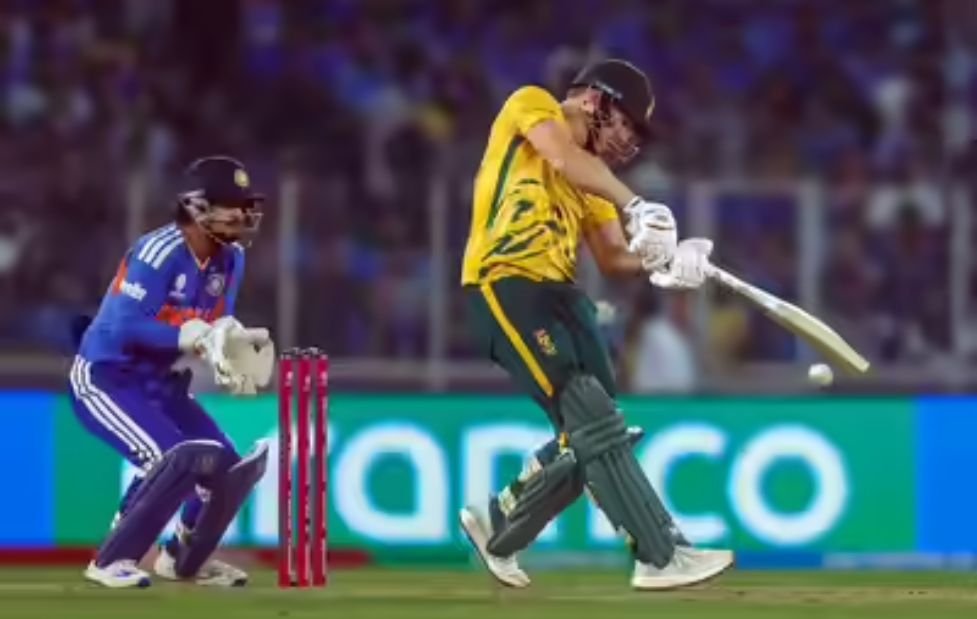
A key selection decision by the India national cricket team during the Super 8 stage of the ICC Men's T20 World Cup has triggered debate following a heavy defeat to the South Africa national cricket team. Team management opted to leave out all-rounder Axar Patel in favor of Washington Sundar, a move assistant coach Ryan ten Doeschate later described as a difficult but tactical call. The loss has intensified discussions around team balance, selection philosophy, and adaptability under tournament pressure.
What the Decision Means- From a cricketing standpoint, the decision reflected a strategic attempt to strengthen batting depth while maintaining spin options suited to perceived matchups. Sundar’s inclusion was intended to provide flexibility in the middle order alongside off-spin against South Africa’s lineup, which features several left-handed batters. However, Axar’s absence removed a proven performer who offers both control with the ball and finishing capability with the bat, attributes that have been critical in high-pressure matches.
The outcome highlighted the risks inherent in matchup-based selections in knockout-style tournaments. While data-driven strategies are increasingly common in modern cricket, execution on the day remains decisive. India’s inability to capitalize on the intended advantages exposed gaps in both batting stability and bowling containment, areas where Axar has historically contributed.
The Legal/Political Angle- Although selection decisions fall strictly within team management’s domain, they often intersect with broader governance structures in international sport. National boards face pressure from stakeholders including fans, sponsors, and media when controversial calls affect performance in major tournaments. Transparent communication from coaching staff, such as ten Doeschate’s explanation, plays a role in maintaining institutional credibility and player morale.
The episode also underscores the delicate management of squad dynamics. Leaving out a senior or in-form player can create narrative pressure, even when decisions are made on tactical grounds. Maintaining trust within the dressing room becomes critical to avoid long-term repercussions on team cohesion.
Impact on Bilateral/Global Relations- On the global cricket stage, high-profile matches between leading teams like India and South Africa carry commercial and reputational significance beyond the immediate result. Tournament outcomes influence broadcasting value, sponsorship exposure, and fan engagement across multiple markets. India’s performance, in particular, has outsized financial implications due to its dominant role in cricket economics.
While a single defeat does not alter structural relationships between cricket boards, it can shift competitive narratives. South Africa’s win reinforces its reputation as a tactically disciplined side capable of capitalizing on opponents’ miscalculations, while India faces renewed scrutiny over decision-making under pressure in global tournaments.
Market and Investor Reactions- Cricket’s commercial ecosystem spanning media rights, advertising, and merchandising—often responds to team performance trends. Although one match is unlikely to affect long-term valuations, repeated strategic missteps in major tournaments can influence brand perception and sponsor confidence. Companies associated with national teams typically seek alignment with success narratives, and tournament exits can temporarily dampen marketing momentum.
For broadcasters and digital platforms, however, controversy can also drive engagement. Selection debates, expert analysis, and fan discussions generate viewership spikes, partially offsetting negative sentiment tied to on-field results.
The Bottom Line- India’s defeat following the Axar-Sundar selection switch illustrates the fine margins that define elite tournament cricket. Tactical experimentation is essential in modern sport, but outcomes ultimately shape public perception of decision-making. The coaching staff’s acknowledgment of the risk suggests an awareness of the stakes involved.
Looking ahead, the key question is how quickly the team recalibrates. Major tournaments reward adaptability as much as planning, and restoring confidence both internally and among supporters—will be crucial. Whether this episode becomes a learning moment or a defining setback will depend on how India responds in its remaining campaign.
Read more SA Outclass India by 76 Runs as David Miller Explains Tactical Success Against Varun



2.jpg)
2.jpg)
2.jpg)
2.png)