

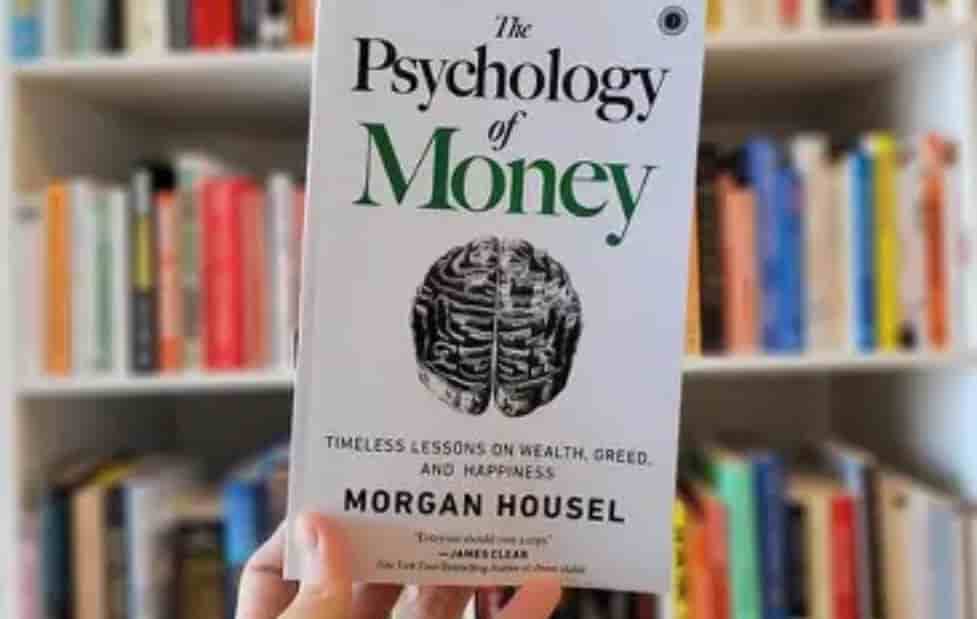
Morgan Housel’s bestselling book The Psychology of Money stands apart from most finance books because it focuses less on numbers and more on human behavior. Instead of offering formulas for quick wealth, the book explores how emotions, personal experiences, and life circumstances influence the way people earn, save, and invest money. Its central message is that financial success is deeply personal and depends as much on mindset as it does on income or intelligence.
One of the most important lessons from the book is that emotions play a powerful role in financial decisions. People do not make money choices based purely on logic. Each individual’s financial behavior is shaped by their upbringing, past experiences, and personal fears or hopes. What looks like a poor decision to one person may feel completely reasonable to someone else. Understanding this helps people become more patient with themselves and others when it comes to money matters.
Another key idea is that true wealth is often invisible. Society tends to associate success with visible signs like expensive cars or luxury homes. However, real financial security usually lies in savings and investments that are not immediately seen. Money that is saved rather than spent creates freedom, flexibility, and peace of mind. The book encourages readers to value financial independence over outward displays of success.
The power of patience and compounding is another central theme. Building wealth is rarely about taking big risks or chasing sudden wins. Instead, steady saving and long term investing allow money to grow gradually over time. Compounding rewards consistency and discipline, especially for those who remain invested through market ups and downs.
Housel also emphasizes the role of luck and risk in financial outcomes. Success is not always the result of perfect planning, just as failure is not always caused by poor decisions. Recognizing the influence of chance helps people remain humble during success and resilient during setbacks.
Perhaps the most meaningful lesson is understanding what enough means. Constantly chasing more money for comparison or status can lead to dissatisfaction and risky decisions. Knowing when you have enough allows you to make choices that support long term wellbeing rather than ego.
Ultimately, The Psychology of Money reframes financial success as a balance between smart habits, emotional awareness, and personal values. Its lessons encourage readers to focus on sustainable choices that support both financial stability and inner peace.



2.jpg)
2.jpg)
2.jpg)
1.jpg)
5.jpg)
2.jpg)
1.jpg)