

2.jpg)
It sounds almost unbelievable, but it’s true honey is one of the rare natural foods that never truly expires. Unlike most pantry staples that come with clear “best before” dates, pure honey can remain safe to eat for decades, and in some cases, even centuries, when stored properly.
Archaeologists have reportedly discovered pots of honey in ancient Egyptian tombs that were still edible. So what makes this golden sweetener so resistant to time?
The Science Behind Honey’s Longevity
Honey’s extraordinary shelf life comes down to its unique chemical composition. It has extremely low moisture content, which prevents bacteria and microorganisms from surviving. Most microbes require water to grow and honey simply doesn’t provide that environment.
In addition, honey is naturally acidic, with a pH typically between 3 and 4.5. This acidity creates a hostile setting for spoilage-causing organisms. On top of that, bees add an enzyme called glucose oxidase during honey production, which produces small amounts of hydrogen peroxide—a natural antimicrobial agent.
Together, these factors make honey remarkably stable and self-preserving.
Why Honey Crystallizes (But Doesn’t Expire)
Over time, you may notice honey turning cloudy or forming crystals. This process, known as crystallization, is completely natural and does not mean the honey has gone bad. It happens when glucose separates from water and forms tiny crystals.
Gently warming the jar in warm water can restore its smooth texture without affecting its safety or flavor.
Storage Still Matters
While honey doesn’t technically expire, proper storage helps maintain its quality. Keeping it in a sealed container away from moisture is key. Introducing water or contaminants can create conditions for fermentation.
Storing honey at room temperature, away from direct sunlight, is generally sufficient. Refrigeration is unnecessary and can actually speed up crystallization.
Raw vs. Processed Honey
Both raw and processed honey have long shelf lives, but raw honey may contain more natural enzymes and antioxidants. Commercially processed honey is often filtered and heated, which can slightly alter its nutritional profile but does not reduce its impressive durability.
Regardless of type, purity plays a major role. Adulterated or diluted honey may not last as long as pure honey.
A Timeless Pantry Staple
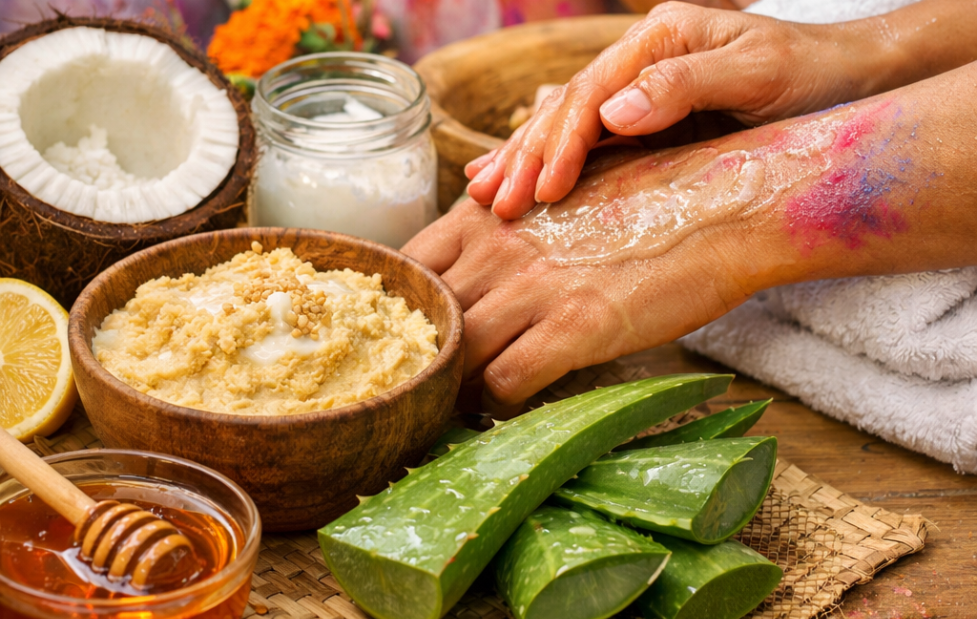
Honey’s resistance to spoilage makes it not only a culinary delight but also a practical food for long-term storage. Its natural preservation qualities have made it valuable across cultures for thousands of years—not just as a sweetener, but also in traditional remedies and skincare.
Honey truly is a sweet treat that defies time. Thanks to its low moisture content, natural acidity, and antimicrobial properties, pure honey can remain edible indefinitely when stored correctly. So the next time you spot an old jar in your pantry, chances are it’s still perfectly good—proof that some foods really do stand the test of time.
Read more Latest Lifestyle News in English: Beauty & Fashion Trends

2.jpg)
2.jpg)
1.jpg)
5.jpg)
2.jpg)
1.jpg)
1.jpg)