

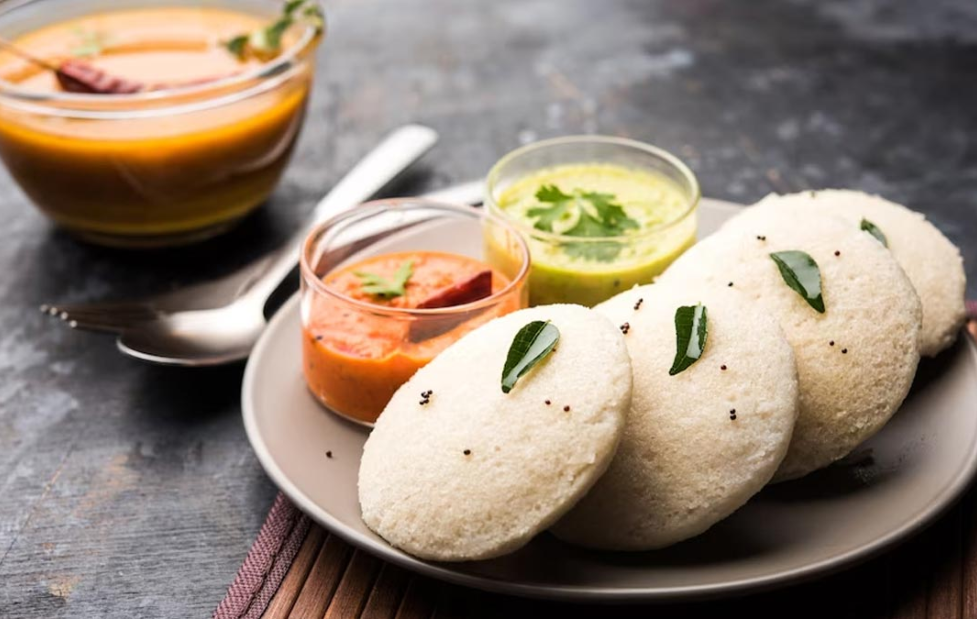
A growing focus on protein-rich diets is reshaping breakfast choices worldwide, and nutrition experts say many traditional Indian meals already meet these requirements without relying on eggs. From lentil-based preparations to fermented grain combinations, these dishes provide substantial protein along with fibre and complex carbohydrates. The trend comes at a time when dietary diversification, affordability, and plant-based nutrition are becoming increasingly relevant in countries such as India and beyond, reflecting broader global health priorities promoted by institutions like the World Health Organization.
What the Decision Means-
The renewed attention on traditional breakfasts has practical implications for consumers, food businesses, and the nutrition industry. Dishes such as moong dal chilla, paneer-stuffed paratha, idli with sambar, besan cheela, and sprouted lentil salads combine plant-based proteins with slow-digesting carbohydrates, making them suitable for sustained energy release. For individuals seeking muscle maintenance, weight management, or blood sugar control, these options provide alternatives that are both culturally familiar and nutritionally balanced.
For the food sector, the shift presents opportunities to innovate packaged and ready-to-eat versions of regional foods with enhanced nutritional labeling. Startups focusing on millet-based or lentil-based convenience foods may benefit from increased consumer awareness around protein intake, while dairy producers could see steady demand due to the inclusion of curd, paneer, and buttermilk in many breakfast combinations.
The Legal/Political Angle-
Nutrition trends are often shaped by public health messaging and regulatory frameworks. Government-backed dietary guidelines increasingly emphasize balanced macronutrient intake, and India’s food safety regulator, the Food Safety and Standards Authority of India, has promoted initiatives encouraging healthier traditional eating patterns. Policies supporting millet consumption and plant-based proteins also align with sustainability goals and agricultural diversification strategies.
Globally, there is growing policy interest in reducing dependence on resource-intensive animal protein sources. Encouraging plant-forward diets through awareness campaigns can help governments address both health and environmental targets without imposing direct consumption restrictions.
Impact on Bilateral/Global Relations-
The international spotlight on Indian cuisine’s nutritional strengths contributes to culinary diplomacy and export potential. As plant-based diets gain traction in Western markets, Indian dishes naturally rich in legumes and fermented grains offer scalable models for global adaptation. This could strengthen India’s food exports, including packaged mixes, spices, and ready-to-cook products, while supporting cross-border collaborations in the health food sector.
Additionally, the perception of traditional diets as nutritionally competitive with Western protein staples may influence global dietary narratives, positioning Indian cuisine as both culturally rich and scientifically relevant.
Market and Investor Reactions-
Investor interest in health-focused food segments has been rising, and protein-centric products are among the fastest-growing categories in the global food market. Companies producing plant-based ingredients, dairy products, and functional foods may benefit from the narrative that everyday meals can deliver high protein without expensive supplements.
Food delivery platforms and quick-service restaurants could also respond by introducing “high-protein” breakfast menus featuring regional dishes. Such repositioning can attract urban consumers seeking convenience without abandoning traditional flavors. Meanwhile, agriculture sectors linked to pulses, dairy, and millets may experience steady demand growth if consumption patterns shift meaningfully.
The recognition of Indian breakfasts as protein-rich options underscores a broader shift toward rediscovering traditional diets through a modern nutritional lens. Rather than relying solely on imported or processed protein sources, consumers may increasingly turn to culturally rooted foods that offer comparable benefits with added fibre and micronutrients.
Looking ahead, the convergence of health awareness, sustainability concerns, and culinary heritage could elevate traditional Indian meals from local staples to globally recognized nutritional models. If supported by policy initiatives and industry innovation, this trend has the potential to influence both consumer behavior and food markets in the years to come.
Read more 7 Refreshing Drinks That May Support Liver Health, Says Gastroenterologist


2.jpg)
2.jpg)
2.jpg)
1.jpg)
5.jpg)
2.jpg)
1.jpg)
1.jpg)