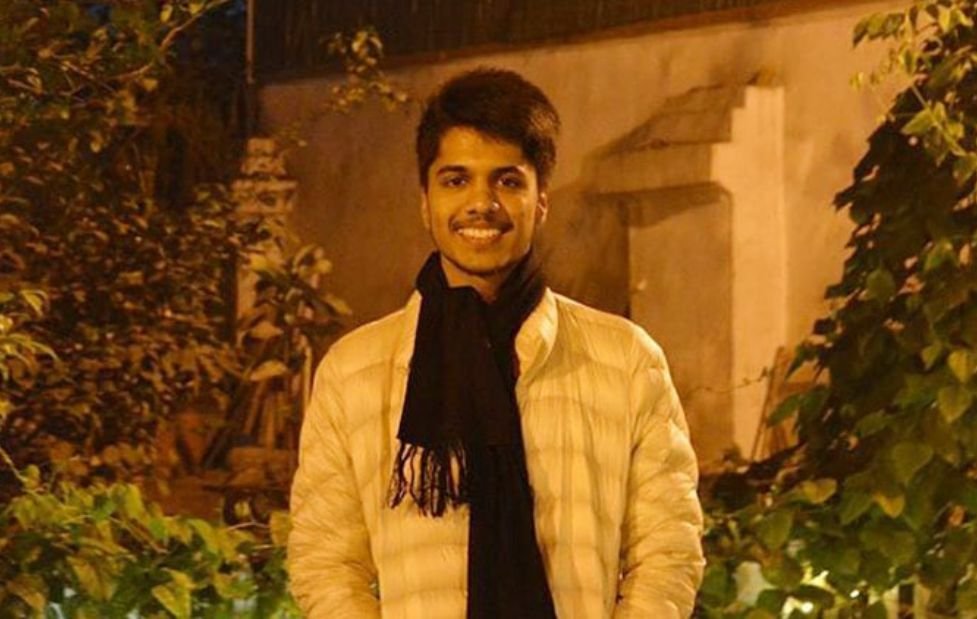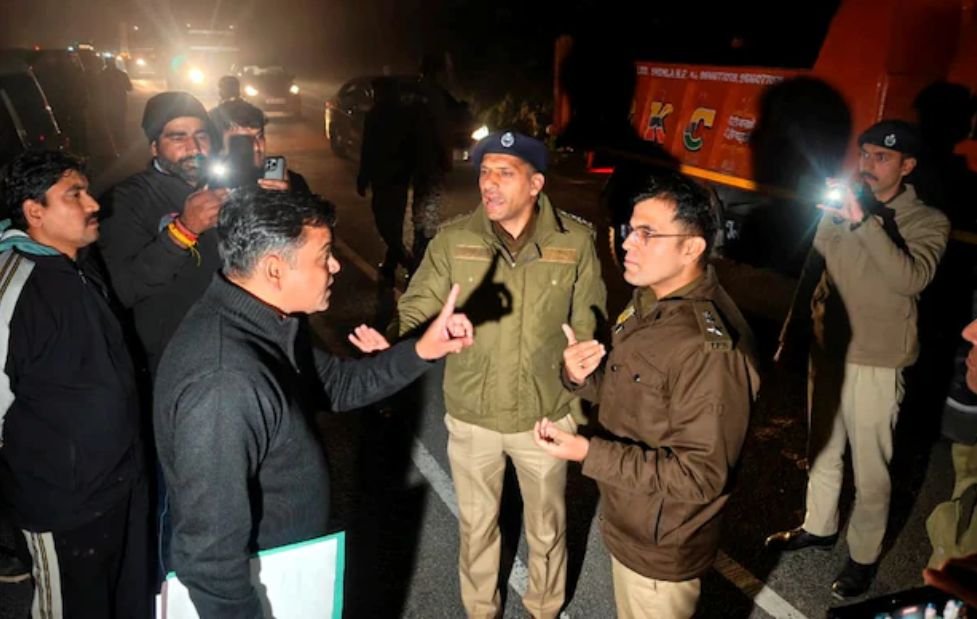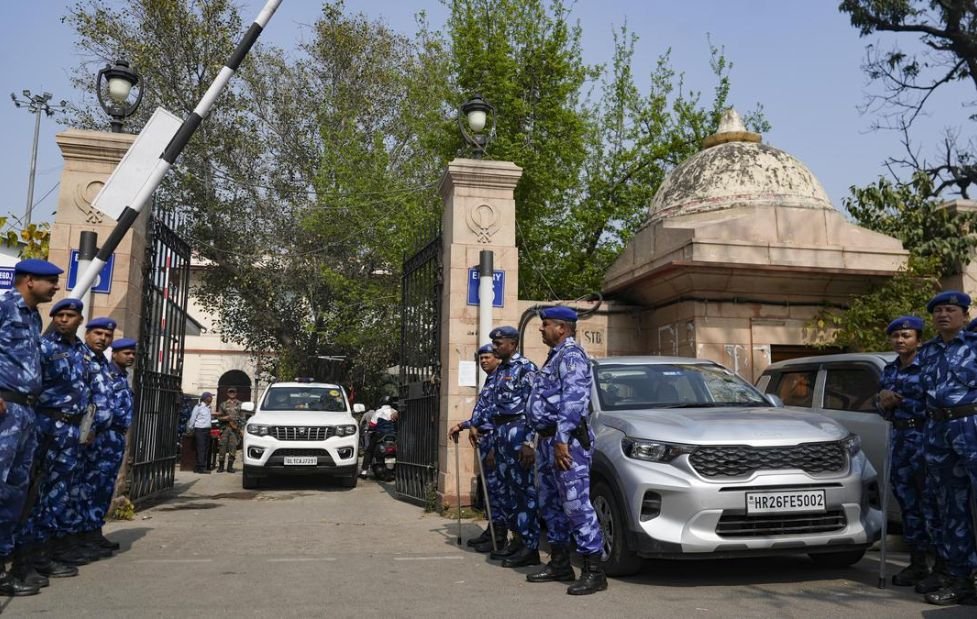
Police have detained Uday Bhanu Chib, chief of the Indian Youth Congress, in connection with a protest staged during an international artificial intelligence conference in New Delhi. The demonstration, which involved activists disrupting proceedings in a symbolic act of dissent, has drawn attention not only for its political messaging but also for broader concerns around security, governance, and the intersection of politics with emerging technology policy debates. The arrest comes at a time when countries worldwide are competing to position themselves as leaders in AI innovation while managing domestic political narratives.
What the Decision Means
The incident underscores the sensitivity surrounding large technology gatherings that bring together policymakers, multinational firms, investors, and research institutions. Conferences focused on artificial intelligence often involve discussions on regulation, data governance, and economic transformation — areas that are politically charged.
For event organizers and technology companies, the disruption highlights the need for stronger coordination with security agencies and clearer risk management frameworks. Stakeholders may also reassess protocols for participant screening, venue security, and crisis response planning.
Industry analysts note that while isolated protests rarely derail long-term technology investment, they can influence public perception. Governments hosting global tech forums often aim to project stability and openness to innovation, and disruptions may complicate that narrative, especially in competitive geopolitical environments where countries seek to attract foreign capital and partnerships.
The Legal/Political Angle
Legally, the case is expected to revolve around public order laws, unlawful assembly provisions, and potential charges related to disruption of official proceedings. Authorities may also examine whether prior permissions were violated or security protocols breached. The accused leader is scheduled to be presented before a court, where procedural compliance and evidence will determine the legal trajectory.
Politically, the arrest reflects the continuing friction between opposition activism and state authority in democratic systems. Youth political organizations often use symbolic protest to draw attention to issues such as unemployment, technological displacement, or policy disagreements. However, when protests occur at high-security international events, governments tend to respond firmly to prevent reputational damage or diplomatic embarrassment.
The situation may also influence political narratives domestically, with parties interpreting the arrest through competing lenses of law enforcement legitimacy versus freedom of expression.
Impact on Bilateral/Global Relations
International technology summits often involve foreign delegations, multinational corporations, and cross-border partnerships. Any disruption particularly one that gains media attention — can shape perceptions among international stakeholders about event security and political stability.
However, experts suggest that the broader diplomatic impact is likely limited unless systemic security concerns emerge. India continues to position itself as a major technology hub with ambitions to shape global AI governance discussions. Maintaining confidence among international partners remains a priority, and authorities typically act swiftly in such cases to reassure stakeholders.
The episode may also highlight the broader challenge faced by democratic nations in balancing protest rights with the need to protect high-profile international engagements.
Market and Investor Reactions
Financial markets generally respond more to policy direction than isolated political events. As a result, immediate investor impact is expected to be minimal. Nevertheless, institutional investors and multinational corporations monitor political stability indicators closely, particularly in sectors like technology, data infrastructure, and digital services.
If the incident triggers stricter event regulations or enhanced compliance requirements, companies involved in conference management, cybersecurity, and risk assessment services could see incremental demand. Conversely, repeated disruptions at strategic industry events could influence investor sentiment over time, especially if they signal broader governance uncertainty.
For the AI sector specifically, long-term investment decisions will continue to depend primarily on regulatory clarity, talent availability, and infrastructure development rather than short-term political controversies.
The Bottom Line
The arrest of a youth political leader following a disruptive protest at a major AI summit highlights the complex intersection of political activism, technology policy, and national image. While the immediate consequences are largely legal and political, the episode serves as a reminder that emerging technology debates are increasingly intertwined with domestic socio-economic concerns.
Going forward, authorities, political groups, and industry stakeholders will likely reassess how to balance democratic expression with the need to safeguard international events that carry economic and strategic significance.
Read more PM Modi Launches Delhi Meerut RRTS, Metro Corridor

.png)