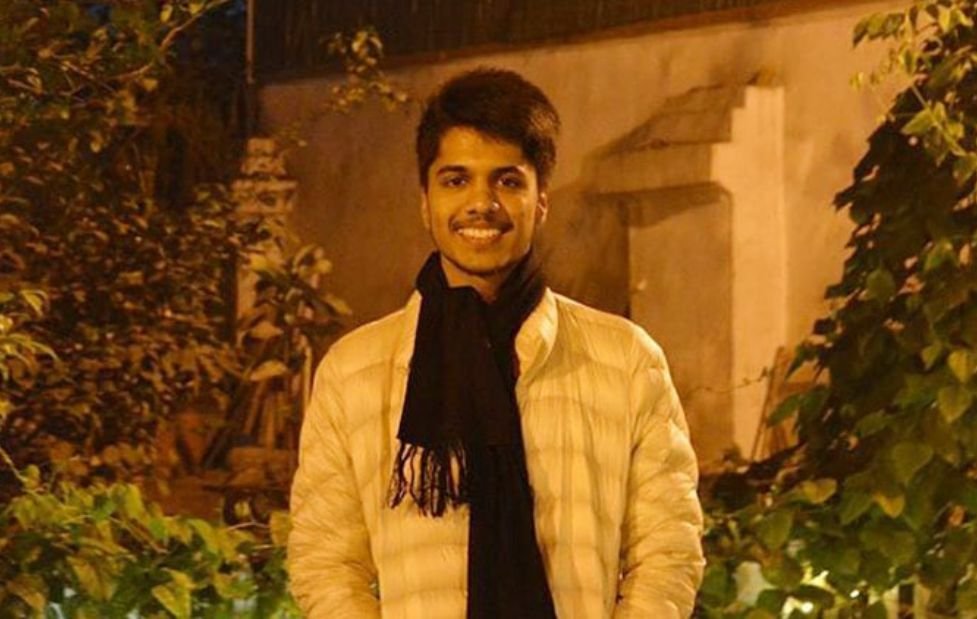
A video shared by Nozomu Hagihara, a Japanese national currently living in Bihar, has gained significant traction online after he described “Dharma Yoga” as one of the most powerful ideas he encountered during his time in India. Posted on Instagram, the clip explores his realization that yoga extends beyond physical postures into ethical duty, purpose, and mindful living. The discussion has resonated widely with global audiences, reflecting growing international curiosity about the philosophical foundations of Indian traditions.
What the Decision Means-
While the video itself is not a policy decision, its impact illustrates a broader trend: the evolving perception of yoga worldwide. For decades, yoga has often been marketed internationally as a fitness or wellness activity. Content highlighting its philosophical roots, including concepts like dharma (duty or righteous conduct) can reshape how global consumers engage with the practice.
For India’s wellness and spiritual tourism sectors, such narratives have practical implications. Increased awareness of yoga’s deeper dimensions may encourage more international visitors to seek immersive experiences such as retreats, teacher training programs, and cultural learning journeys. This, in turn, supports local economies connected to tourism, education, and hospitality services.
Digital creators like Hagihara also represent a new category of cultural ambassadors, influencing perceptions through personal storytelling rather than institutional campaigns. Their experiences can help bridge cultural gaps and reach younger global audiences more effectively than traditional promotional strategies.
The Legal/Political Angle-
India has long positioned yoga as part of its cultural diplomacy framework, including initiatives to promote traditional knowledge internationally. Government-backed efforts, such as international yoga events and educational exchanges, aim to strengthen India’s soft power by highlighting its philosophical heritage.
Content that presents yoga as a holistic lifestyle philosophy aligns with these policy goals, even when produced independently. However, it also raises ongoing discussions about intellectual heritage, cultural authenticity, and commercialization. Policymakers and cultural institutions continue to navigate how to promote global adoption while maintaining respect for origins and traditional contexts.
Impact on Bilateral/Global Relations- Individual cross-cultural experiences can contribute to broader people-to-people connections between countries. A Japanese citizen publicly appreciating Indian spiritual concepts reinforces positive cultural engagement between India and Japan, two nations that already share strong economic and strategic partnerships.
Such narratives also influence global perceptions of India as a source of knowledge traditions rather than only a market or geopolitical actor. Cultural diplomacy scholars note that soft power, including spirituality, philosophy, and lifestyle practices, can complement economic and political ties by building emotional and intellectual connections among populations.
Market and Investor Reactions-
The global wellness industry, valued in the trillions of dollars, increasingly incorporates mindfulness, yoga, and holistic health concepts. Content emphasizing philosophical authenticity can influence consumer preferences, potentially shifting demand toward programs that integrate ethics, meditation, and lifestyle guidance alongside physical training.
For investors and businesses, this trend suggests opportunities in experiential tourism, digital wellness platforms, certification programs, and educational content rooted in traditional frameworks. Companies offering culturally informed experiences may gain competitive advantage as consumers seek deeper meaning rather than purely fitness-oriented services.
The Bottom Line-
The viral attention around Nozomu Hagihara’s reflections highlights a growing global appetite for understanding yoga beyond exercise routines. His experience underscores how cultural exchange at the individual level can shape perceptions, markets, and even diplomatic narratives.
As interest in holistic well-being continues to expand worldwide, India’s philosophical traditions, when communicated authentically, are likely to remain influential. The episode demonstrates that in an interconnected digital era, a single personal story can amplify cultural understanding across borders, reinforcing the enduring relevance of ancient ideas in modern global discourse.


.png)