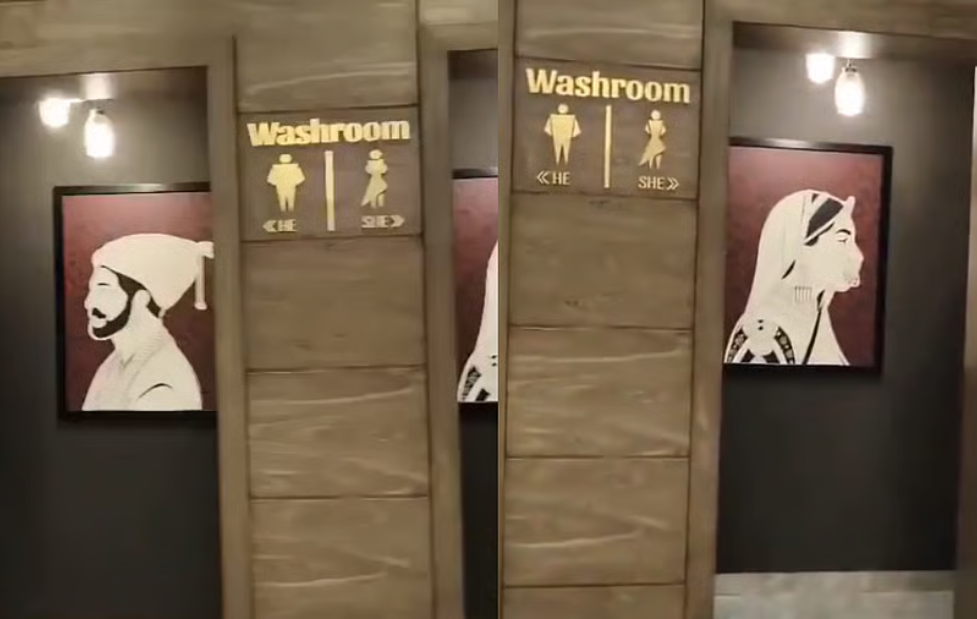
A political controversy has erupted in Haryana after a video circulated online showing a portrait of Chhatrapati Shivaji Maharaj displayed outside a toilet facility, triggering public anger and political reactions. The situation intensified after opposition leaders linked the premises to relatives of a local legislator from the Bharatiya Janata Party, while the MLA’s brother publicly denied any connection to the location. The episode highlights how symbolic issues involving historical figures can rapidly escalate into political flashpoints in India’s charged digital environment.
What the Decision Means- The controversy demonstrates the reputational risks associated with viral social media content, particularly when it involves revered historical personalities. Businesses, property owners, and public figures can face immediate scrutiny regardless of direct involvement, emphasizing the importance of verification before attribution.
For local administrations, such incidents often require swift responses to maintain public order and prevent escalation. Authorities may need to conduct inspections, remove objectionable displays, and communicate findings transparently to prevent misinformation from spreading further.
The situation also underscores how identity and cultural symbolism intersect with politics, affecting stakeholder perceptions beyond the immediate individuals involved.
The Legal/Political Angle- Legally, authorities may examine whether any laws related to public sentiment, defamation, or intentional provocation were violated. Complaints involving disrespect toward historical icons sometimes lead to police inquiries, particularly if they risk disturbing communal harmony or public peace.
Politically, the dispute reflects ongoing competition between parties to position themselves as protectors of cultural heritage. Allegations and denials can quickly become part of broader political narratives, especially when elections or local rivalries are involved.
The denial by individuals linked to the legislator suggests the possibility of misinformation or mistaken attribution, which could shift the focus toward accountability for spreading unverified claims.
Impact on Bilateral/Global Relations- The incident is primarily domestic, with limited direct implications for international relations. However, controversies involving cultural icons occasionally attract diaspora attention, particularly when historical figures hold symbolic significance for communities abroad.
More broadly, such episodes highlight the challenges governments face in managing digital misinformation, a concern shared globally. Countries increasingly confront similar situations where viral content triggers political or social tensions, prompting discussions about platform responsibility and regulatory oversight.
Market and Investor Reactions- Economic or market impact from the incident is expected to be minimal, as it does not directly affect major industries or financial institutions. However, localized reputational risks could influence businesses associated with the controversy, particularly if public sentiment leads to consumer boycotts or operational disruptions.
From a broader perspective, investors monitor political stability and social cohesion indicators, though isolated cultural controversies rarely alter investment decisions unless they escalate into prolonged unrest.
The Bottom Line- The Shivaji portrait controversy in Haryana illustrates how quickly symbolic issues can evolve into political disputes in the digital age. While investigations and clarifications may resolve questions around responsibility, the episode reinforces the importance of verification, sensitivity toward cultural icons, and measured political responses.
As social media continues to amplify local incidents into national debates, authorities and stakeholders will likely face ongoing challenges in balancing free expression, accountability, and public sentiment management.
Read more First Cabinet Meeting At Seva Teerth Focuses On Good News
.png)