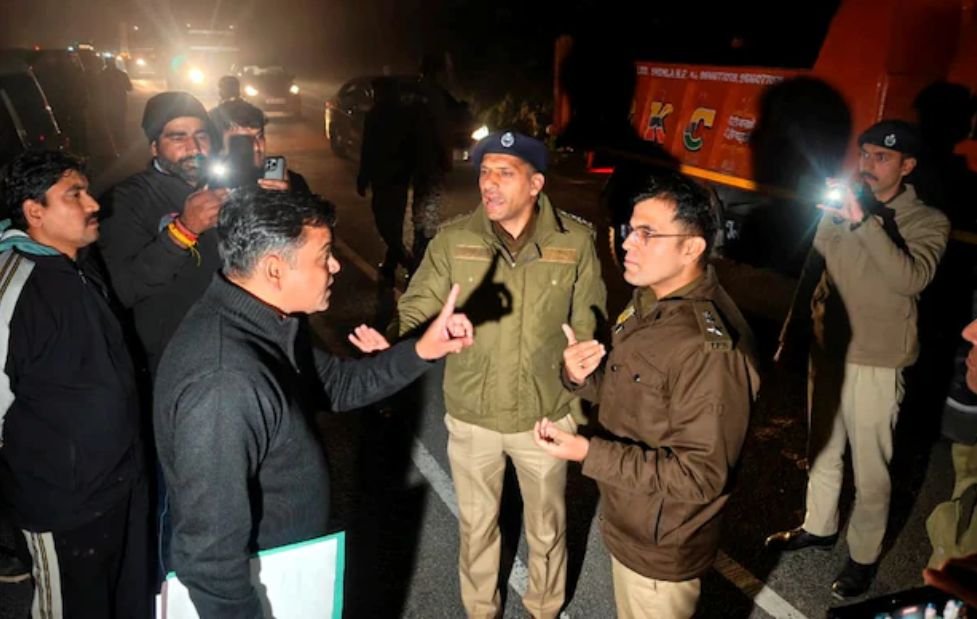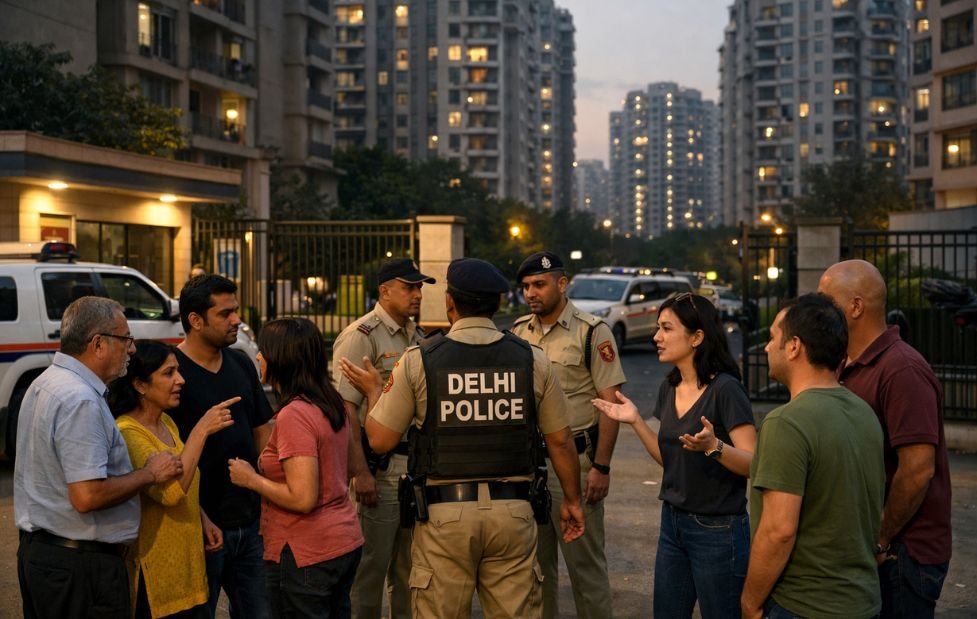
An incident in South Delhi has triggered public outrage after a minor disagreement reportedly spiraled into allegations of racial abuse and intimidation. The confrontation, which allegedly began over dust-related concerns between individuals, has since drawn scrutiny from law enforcement and civil society, highlighting ongoing concerns about discrimination, privilege, and accountability in urban India. Authorities, including the Delhi Police, are examining the matter as it gains traction both locally and online.
What the Decision Means-
Incidents involving alleged racial or discriminatory abuse carry broader social implications beyond the individuals directly involved. In diverse metropolitan areas like Delhi, such cases can influence perceptions of safety and inclusion, particularly among migrant communities, students, and professionals from different regions or countries. Even isolated events can contribute to reputational concerns for neighborhoods or institutions if they appear to reflect systemic attitudes.
For residents, the episode underscores the importance of conflict resolution and community engagement mechanisms. Housing societies and local associations may face increased pressure to establish clearer behavioral guidelines and dispute resolution frameworks to prevent minor disagreements from escalating into serious confrontations.
The Legal/Political Angle-
Allegations of racial abuse fall within the ambit of multiple legal provisions in India, including sections of the Indian Penal Code related to intimidation, harassment, and promoting enmity. If the complainant belongs to a protected community, additional laws such as the Scheduled Castes and Scheduled Tribes (Prevention of Atrocities) Act could apply, depending on the circumstances.
Politically, claims that one party invoked influence due to connections with a “big politician” add another dimension, raising concerns about perceived inequality before the law. Authorities often face heightened public scrutiny in such cases to demonstrate impartial investigation and enforcement, regardless of social or political status. Transparent handling becomes essential to maintain institutional credibility.
Impact on Bilateral/Global Relations-
While primarily a domestic issue, incidents involving racial abuse can resonate internationally, especially if foreign nationals or minority communities are involved. India’s global image as an inclusive society is shaped not only by policy but also by everyday social interactions. Publicized cases of discrimination may influence perceptions among international students, expatriates, and investors considering relocation or engagement with Indian markets.
Conversely, prompt legal action and accountability can reinforce confidence in institutional safeguards and demonstrate commitment to equality and rule of law. Such responses contribute positively to the country’s global reputation.
Market and Investor Reactions-
Although isolated social incidents rarely affect financial markets directly, they can influence investor sentiment when they raise broader concerns about social stability or governance standards. Urban centers like Delhi are major economic hubs, and perceptions of safety, law enforcement effectiveness, and civic harmony play indirect roles in business confidence, real estate demand, and workforce mobility.
For multinational companies operating in India, diversity and inclusion remain key considerations. High-profile discrimination cases often prompt organizations to revisit internal policies, employee awareness programs, and community engagement initiatives to ensure safe environments for diverse workforces.
The South Delhi racial abuse case illustrates how minor disputes can escalate into serious allegations with legal and societal consequences. Beyond the immediate investigation, the incident highlights ongoing challenges related to social bias, privilege perceptions, and conflict management in urban communities.
The outcome of the case will likely be closely watched as a test of accountability and fairness. More broadly, it reinforces the need for awareness, sensitivity, and institutional responsiveness to ensure that diverse communities feel secure and respected in rapidly growing metropolitan environments.
Read more Delhi Uber Driver Completes 50,000 Trips Milestone


.png)