

A major shift in Canada’s electric vehicle import policy has drawn global attention, especially within the automobile industry. The government’s decision to ease tariffs on electric cars manufactured in China could significantly reshape competition across the North American EV market.
Earlier, imported electric vehicles faced heavy duties aimed at protecting domestic manufacturers. Under the revised framework, tariffs have been sharply reduced and import quotas introduced, allowing tens of thousands of electric vehicles to enter Canada every year.
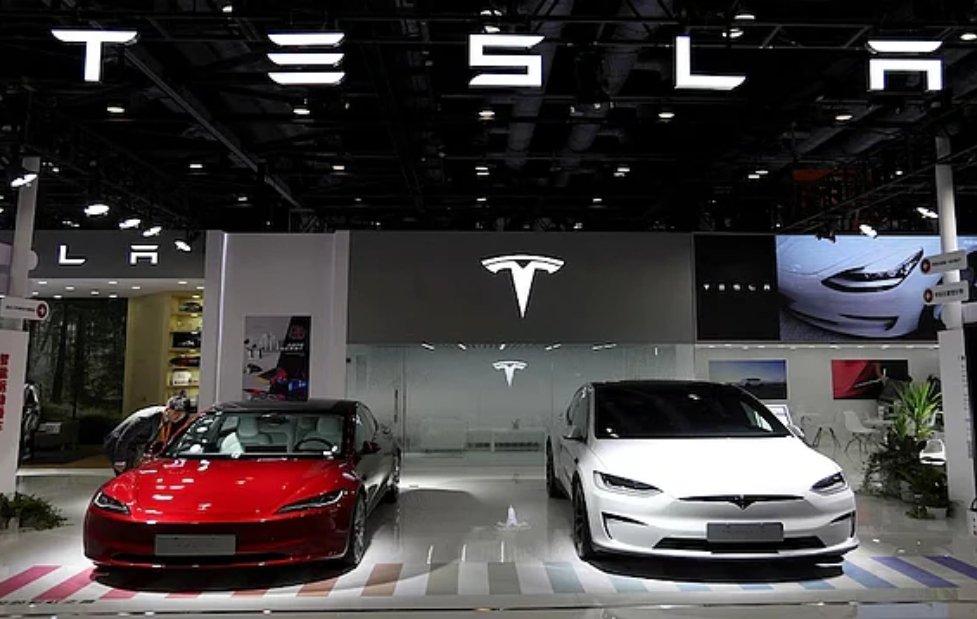
While the move is designed to increase affordability and promote competition, one unexpected beneficiary could be Tesla. Although the company is American, many of its most popular models including the Model Y are manufactured at its Shanghai facility, placing it in a favourable position under the new policy.
With lower import barriers, Tesla can now ship China-made vehicles into Canada at much lower costs. This gives the company a clear advantage by enabling faster market entry and more competitive pricing for consumers.
Key developments and industry impact:
- Global competition in the electric vehicle sector has intensified, with China becoming the world’s largest EV producer and exporter.
- Several Chinese automobile brands are actively seeking expansion into international markets, including North America.
- Tesla benefits from an already established charging network, strong brand trust, and a loyal customer base in Canada.
- Reduced tariffs and flexible import quotas further strengthen Tesla’s market position compared to new entrants.
- Analysts believe the policy could accelerate EV adoption by lowering prices and expanding consumer choice.
- Concerns remain that increased imports may affect domestic manufacturing and local employment opportunities.
- Industry experts stress the need for balanced policies supporting both affordability and local industrial growth.
- Long-term success will depend on how Canada manages competition while encouraging domestic investment.
As the global transition toward electric mobility accelerates, Canada’s policy change signals a more open and competitive approach to the EV ecosystem. For Tesla, the development may prove particularly advantageous, allowing the company to expand its footprint while adapting swiftly to evolving trade and market dynamics.
Read more Tesla Faces Rough November As U.S. EV Sales Plunge Again








3.jpg)
3.jpg)