

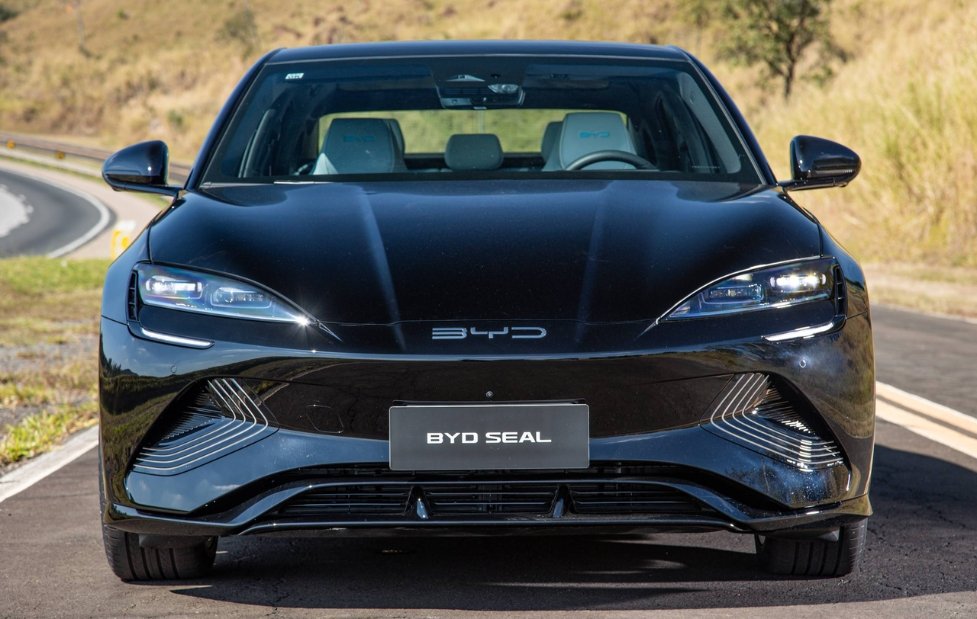
Chinese electric vehicle maker BYD Co. is exploring the possibility of setting up local assembly operations in India as it seeks to meet surging demand for its EVs and navigate regulatory constraints on vehicle imports, according to people familiar with the matter. The move reflects BYD’s strategic push to expand beyond importing fully built units and capitalise on India’s rapidly growing electric vehicle market.
BYD’s current lineup in India includes models like the Atto 3 compact SUV, eMax7 MPV, Sealion 7, and the Seal sedan all sold through the completely built unit (CBU) import route. Demand in the country has soared, leading dealers to report long waiting lists for deliveries and inventory shortages in recent quarters.
However, India limits the number of imported fully built EVs per model under existing rules, constraining BYD’s ability to supply enough vehicles to match demand. To address this, the automaker is said to be evaluating semi-knocked-down (SKD) assembly or similar arrangements as a more flexible and tariff-friendly alternative.
Why BYD Is Considering Local Assembly
-
BYD’s India sales have surged, with units selling out under the current import quota system.
-
Existing regulations cap imports of fully built vehicles, limiting supply.
-
Local assembly could significantly lower import duties, improving pricing flexibility.
-
Firms eye local safety and regulatory certifications for more models.
-
Executives and engineers have been visiting India to assess expansion feasibility.
Market Dynamics and Regulatory Challenges
Despite strong demand, BYD faces regulatory and geopolitical hurdles that have previously constrained investment plans. India had earlier rejected the company’s proposal to establish a full-scale manufacturing facility, citing broader concerns related to foreign investment and market access. Under current rules, imported EVs face high tariffs, and the quota system limits the number of units that can be brought in without local production links.
Local assembly under SKD arrangements could allow BYD to bring in kits at lower tariff rates, assemble vehicles domestically, and supply more units without breaching import caps — a strategy that has been discussed but not yet publicly finalised.
India’s EV Landscape and Competitive Context
India’s electric vehicle industry is one of the fastest-growing in the world, driven by rising consumer interest, government incentives, and increasing model choices. Domestic manufacturers such as Tata Motors and Mahindra & Mahindra are also expanding their EV offerings, while other global players evaluate their India strategies.
The potential shift to local assembly would also position BYD to better compete with rivals such as Tesla, which has faced challenges in scaling up in the price-sensitive Indian market, and other international brands introducing EVs either via imports or local partnerships.
What This Could Mean for Consumers
If BYD moves forward with assembly in India, buyers could benefit from:
-
Lower prices due to reduced import tariffs
-
Expanded model availability beyond current quota limits
-
Faster delivery times as supply constraints ease
However, local assembly plans must still clear regulatory reviews and secure necessary approvals before they can be implemented.
The Road Ahead
BYD’s deliberations over local assembly signal its intent to deepen its footprint in the Indian EV market and adapt to local policy conditions. While the discussions are still at an exploratory stage, analysts say a move toward assembly could be a watershed moment for the company’s India ambitions helping it convert strong interest into sustained sales growth.
As the EV revolution accelerates across India, the outcome of BYD’s strategic shift could shape competitive dynamics and consumer choices in the coming years.
Read more Mercedes AMG CLE 53 vs BMW M2: Speed Style and Street Cred


3.jpg)
3.jpg)