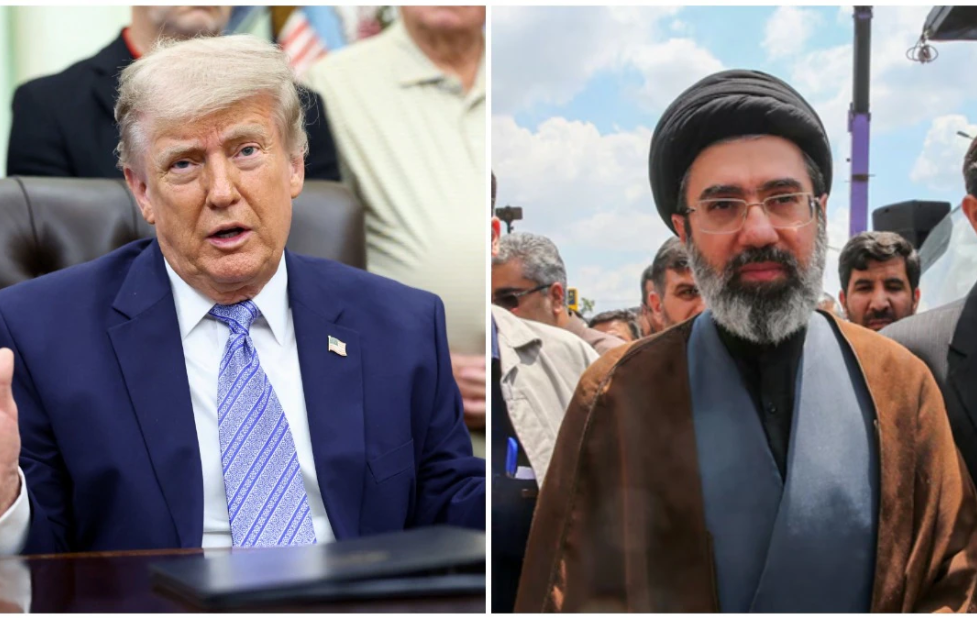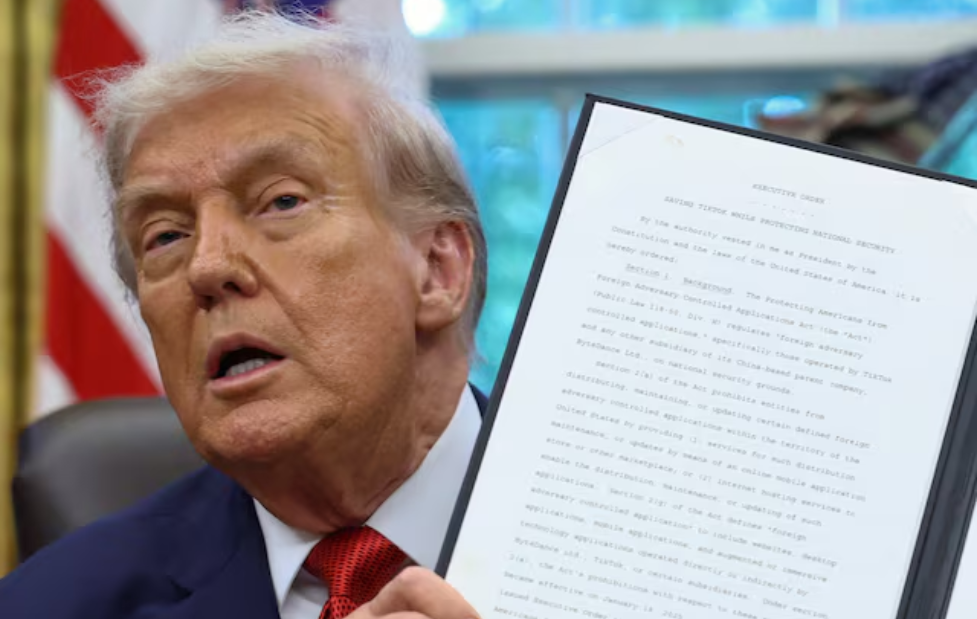
Donald Trump has issued a strong warning to international trading partners, urging them not to withdraw from existing agreements after a judicial ruling weakened elements of his tariff framework. The remarks came shortly after developments involving the Supreme Court of the United States created uncertainty around the future of certain trade measures. The episode highlights the continuing influence of political leadership on global commerce narratives and raises questions about how trade partners may respond amid shifting legal and policy dynamics in the United States.
What the Decision Means- Trump’s comments signal the possibility of a more assertive trade posture if partners attempt to renegotiate terms perceived as unfavorable to US interests. For businesses, particularly multinational corporations reliant on cross-border supply chains, uncertainty around tariffs and trade agreements can complicate investment planning, pricing strategies, and logistics decisions.
Industries such as manufacturing, agriculture, and technology are particularly sensitive to tariff changes. Companies operating globally may need to reassess sourcing strategies or diversify production locations to mitigate policy risk. Analysts note that even rhetorical escalation can influence market expectations, affecting commodity prices and currency movements.
The Legal/Political Angle- The legal backdrop involves judicial scrutiny of tariff authority, an area that intersects executive power with constitutional trade oversight mechanisms. Court decisions limiting or clarifying tariff authority can reshape the balance between political leadership and institutional checks.
Politically, trade policy remains a central issue in US economic debates, often linked to domestic employment, industrial competitiveness, and national security. Statements warning foreign governments may also be intended to reinforce domestic political positioning by projecting economic toughness.
The interaction between court rulings and political messaging underscores how legal institutions can indirectly influence global economic sentiment when trade measures are involved.
Impact on Bilateral/Global Relations- Trade relationships between the United States and its partners could face renewed tension if uncertainty persists over tariff frameworks. Countries negotiating with the US may adopt cautious strategies, waiting for clearer legal and political signals before committing to long-term agreements.
For emerging economies, including major exporters, the situation creates both risks and opportunities. Some countries may benefit if supply chains shift away from regions affected by tariffs, while others could face reduced market access
Diplomatically, the episode reflects broader global trends toward economic nationalism and strategic trade policy, with major powers increasingly using tariffs and agreements as tools of geopolitical influence.
Market and Investor Reactions- Financial markets tend to react quickly to trade-related uncertainty, particularly in sectors dependent on exports and global supply chains. Equity markets may experience volatility as investors reassess earnings projections for companies exposed to international trade risks.
Currency markets could also respond, with the US dollar potentially strengthening if investors perceive policy shifts as protectionist or growth-supportive domestically. Commodity markets, especially metals and agricultural products often move in response to tariff expectations due to their trade sensitivity.
Institutional investors generally prefer predictable policy environments, so prolonged uncertainty could lead to cautious capital allocation decisions.
The Bottom Line- Trump’s warning to global trading partners highlights the continuing interplay between legal developments, political messaging, and international commerce. While the immediate impact will depend on policy actions rather than rhetoric alone, the situation underscores how quickly trade narratives can shift in response to domestic legal outcomes.
As governments and businesses await greater clarity, the episode reinforces the importance of policy stability in sustaining global economic cooperation and investor confidence.