

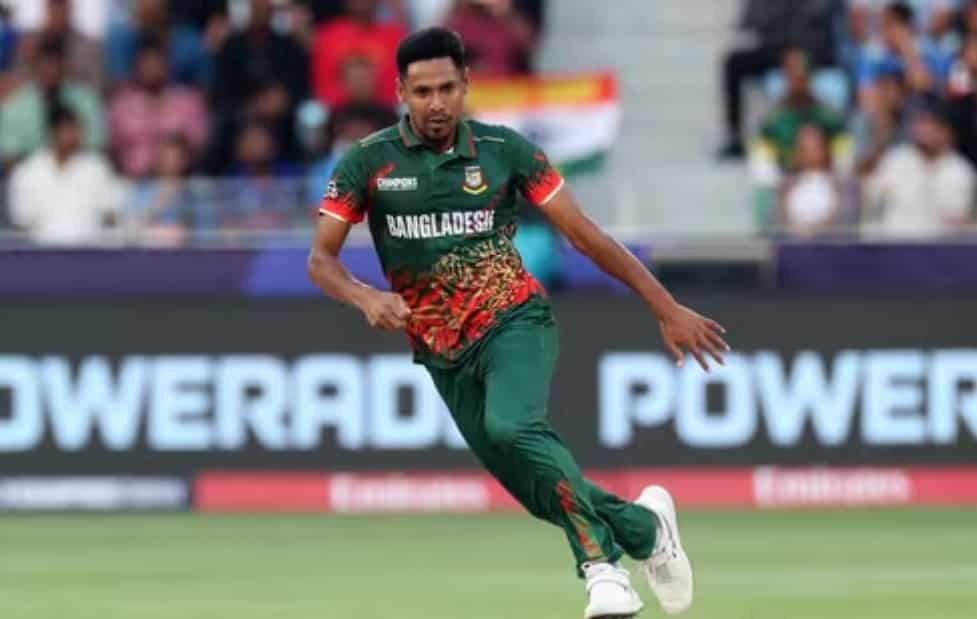
A growing dispute in international cricket has taken a serious turn as Bangladeshs national team has decided not to play matches in India following tensions linked to the exclusion of one of its leading fast bowlers. The controversy began when star pacer Mustafizur Rahman was removed from his Indian league team following instructions from the cricket board. The decision sparked strong reactions within Bangladesh and quickly expanded beyond sport, creating diplomatic and emotional ripples.
Mustafizur Rahman is among Bangladeshs most respected cricketers, widely admired for his left arm pace and ability to challenge some of the worlds best batters. His removal from the Indian league was seen by many fans and former players as unfair and disappointing. The move was perceived not just as a professional setback for the player but also as a blow to national pride. Cricket officials and government representatives in Bangladesh expressed dissatisfaction, stating that such actions undermine trust and mutual respect.
The issue intensified when the Bangladesh cricket authorities, reflecting public and political sentiment, announced that the national team would not take part in its scheduled matches in India during the upcoming T20 World Cup. The decision was framed around concerns related to fairness safety and dignity. It highlighted how deeply cricket is woven into the social and emotional fabric of South Asia where sporting decisions often carry symbolic weight.
Further escalating the situation Bangladesh also suspended the broadcast of the Indian league within the country. This move cut off access to one of the most popular cricket tournaments for local fans. Many viewers who regularly followed the league will now miss watching both international stars and players from their own region. The suspension has reduced sporting interaction and cultural exchange between the two cricket loving nations.
Former players and cricket analysts in Bangladesh have described the situation as a setback for the game. They have urged authorities to keep politics and sport separate and focus on dialogue rather than confrontation. According to them players and fans ultimately suffer when disputes overshadow competition.
The consequences of this standoff reach beyond a single tournament. Questions have emerged around future bilateral series player participation in overseas leagues and how cricket boards balance governance national sentiment and sporting fairness. As the global cricket community watches closely many hope that discussions can help rebuild trust and ensure that the spirit of the game remains stronger than conflict.
Read more Shreyas Iyer's Comeback Spark Vijay Hazare Thriller Unfolds
2.jpg)
2.jpg)
2.jpg)