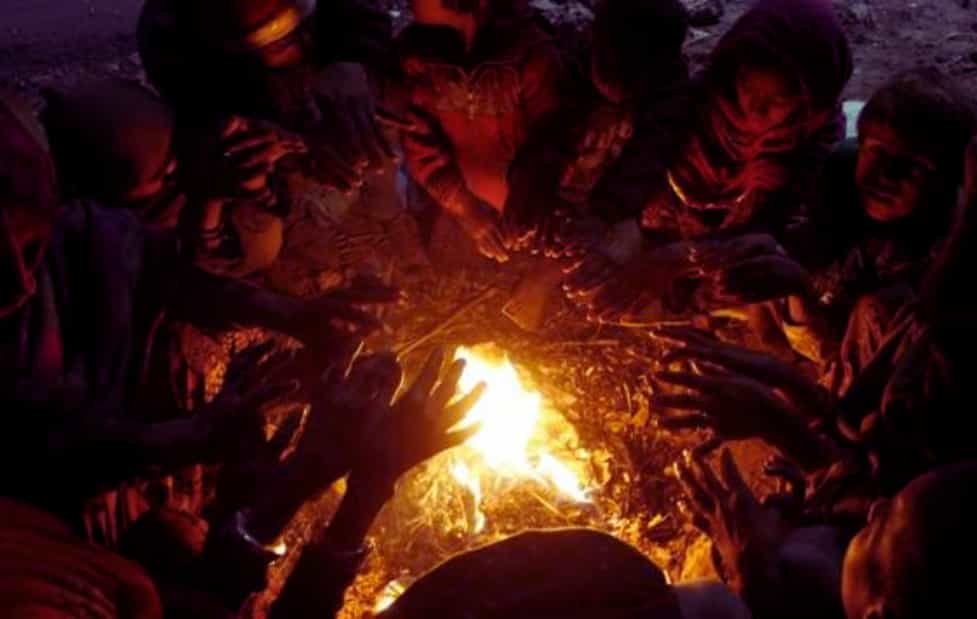
As Delhi-NCR woke up to another bone-chilling morning on Wednesday, January 14, 2026, Gurugram recorded a minimum temperature of 0.8°C, continuing one of the region's most intense cold waves in recent decades. This reading comes just two days after the city touched a historic low of 0.6°C on Monday—its coldest January temperature in nearly five decades, matching a record from January 22, 1977.
The severe cold wave has turned conventional weather wisdom on its head. While hill stations typically see lower temperatures than plains, Mussoorie recorded 7.7°C, and Shimla registered 8.8°C, making them significantly warmer than Gurugram and parts of Delhi. IMD Director General M. Mohapatra explained that cloud cover over the mountains stopped heat from escaping at night, creating this unusual temperature inversion.
The extreme conditions stem from a perfect storm of meteorological factors. IMD officials attributed the sharp temperature drops to cold northwesterly winds, clear night skies, and low moisture levels, which allow rapid heat loss after sunset. The phenomenon, known as radiative cooling, has been particularly pronounced this winter, with several National Capital Region locations experiencing near-freezing or sub-zero temperatures.
Across Haryana, the cold wave's impact has been widespread. Narnaul recorded 1.2°C, Bhiwani 1.5°C, Sonipat 1.6°C, Sirsa 1.7°C, Hisar 2.6°C, Rohtak 3.2°C, and Karnal and Jind both at 3.5°C. Delhi's Safdarjung Observatory, the capital's primary weather station, logged 3.8°C on Wednesday, while some suburban areas reported unofficial sub-zero readings on personal weather devices due to localized microclimatic conditions.
The visible impact has been dramatic. Ground frost, locally called 'pala,' has blanketed open fields, grasslands, vehicles, and crops across the region. Social media has been flooded with images of frozen water droplets clinging to grass blades, frost-covered car windshields, and commuters huddled around roadside bonfires trying to ward off the biting cold.
The severe weather has significantly disrupted daily life and infrastructure. Dense fog accompanying the cold wave has reduced visibility to near-zero levels at times, creating hazardous conditions for commuters. Flight operations at Delhi's Indira Gandhi International Airport have faced repeated disruptions, with airlines issuing advisories and implementing CAT-III protocols for low visibility. landings. Train services have also been affected, with dozens of trains running hours behind schedule as locomotive pilots reduce speeds for safety.
Health experts have sounded alarm bells, particularly for vulnerable populations. Children and the elderly are especially at risk, as their bodies struggle to maintain core temperature in such extreme cold. Respiratory ailments have seen a sharp spike, with hospitals reporting increased admissions for cold-related illnesses, bronchitis, and aggravated asthma conditions.
The India Meteorological Department has maintained an orange alert for cold wave to severe cold wave conditions across Haryana, Delhi, and neighboring states. The IMD has issued red alerts for several districts, including Bhiwani, Charkhi Dadri, Jhajjar, Rewari, and Mahendergarh, where conditions are predicted to be particularly harsh.
Looking ahead, meteorologists predict that the intense cold will persist for at least another few days. A gradual rise of 2 to 4 degrees Celsius may follow later, with a fresh western disturbance expected around January 15, bringing cloud cover and slight relief. However, until then, northern India remains locked in this historic deep freeze.
Authorities have advised residents to take precautionary measures: limit outdoor exposure during early morning and late evening hours, wear multiple layers of warm clothing, stay hydrated despite the cold, and check on elderly neighbors and vulnerable family members. For those who must venture out, using fog lights while driving and allowing extra travel time has become essential.
As Gurugram and the wider NCR region endure this exceptional cold spell, one thing is clear—the 2026 winter will be remembered as one that defied expectations, turning the plains into temporary iceboxes while the mountains enjoyed relatively balmy conditions. It's a stark reminder that in the complex world of meteorology, nature still holds the power to surprise.


.png)