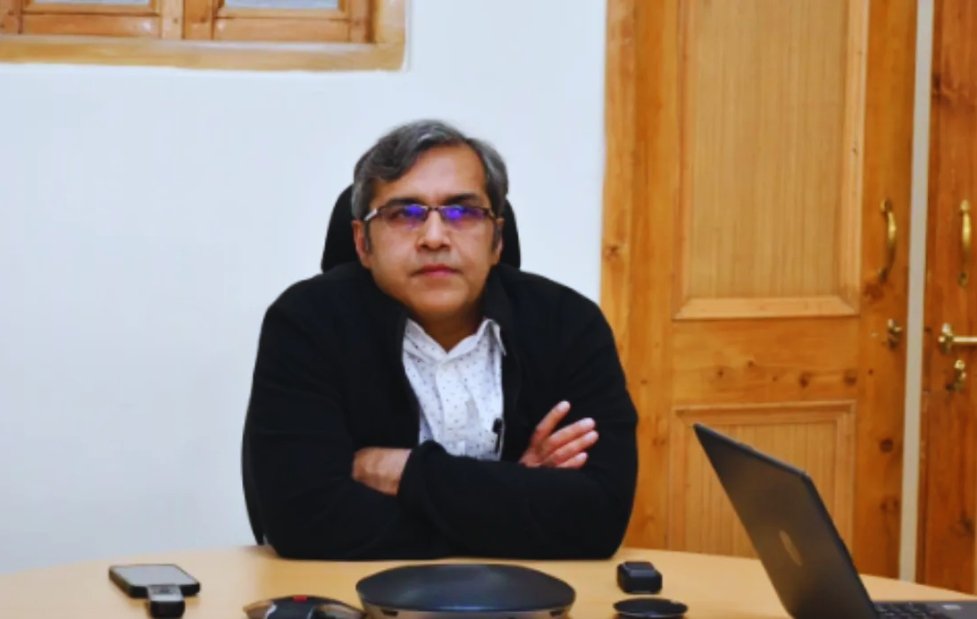
After more than three years away from the national capital’s administrative spotlight, senior bureaucrat Sanjeev Khirwar has returned to a key leadership role in Delhi’s civic administration. The 1994 batch IAS officer has been appointed as the Commissioner of the Municipal Corporation of Delhi, marking a notable comeback after a controversy that earlier led to his transfer from the city.
His return comes during a major administrative reshuffle and signals renewed confidence in his experience and governance capabilities. Khirwar assumes charge at a challenging time when the municipal body is facing persistent urban issues such as damaged roads, traffic congestion, waste management inefficiencies, drainage problems and the growing concern around stray animals.
The controversy that once dominated public discussion occurred in 2022, when an incident involving the temporary clearing of athletes from a government stadium during a dog walking routine went viral. The episode triggered widespread criticism and debates on the conduct of senior officials. Following the backlash, Khirwar was transferred out of Delhi and assigned duties in Ladakh.
Now back in the capital, the focus has shifted from past events to present responsibilities. Officials familiar with his work describe him as an administrator who emphasises execution, coordination and accountability. His ability to translate policy decisions into on ground outcomes is being viewed as a key strength in addressing everyday civic challenges.
Under his leadership, improving road conditions is expected to be a top priority, particularly in areas frequently affected during monsoon and winter seasons. Other focus areas include cleaning clogged drains, strengthening waste collection systems and creating long term solutions for stray animal management that are both humane and effective.
While his appointment has revived discussions due to the earlier controversy, many within administrative circles believe his experience can bring much needed stability to the civic body. With Delhi’s growing population and expanding infrastructure demands, efficient coordination between departments has become increasingly critical.
As Khirwar settles into his role, expectations remain high that his tenure will focus on responsive governance, transparent decision making and improved civic services. His return represents an opportunity to turn a difficult chapter into a phase of constructive urban reform for the capital city.

.png)