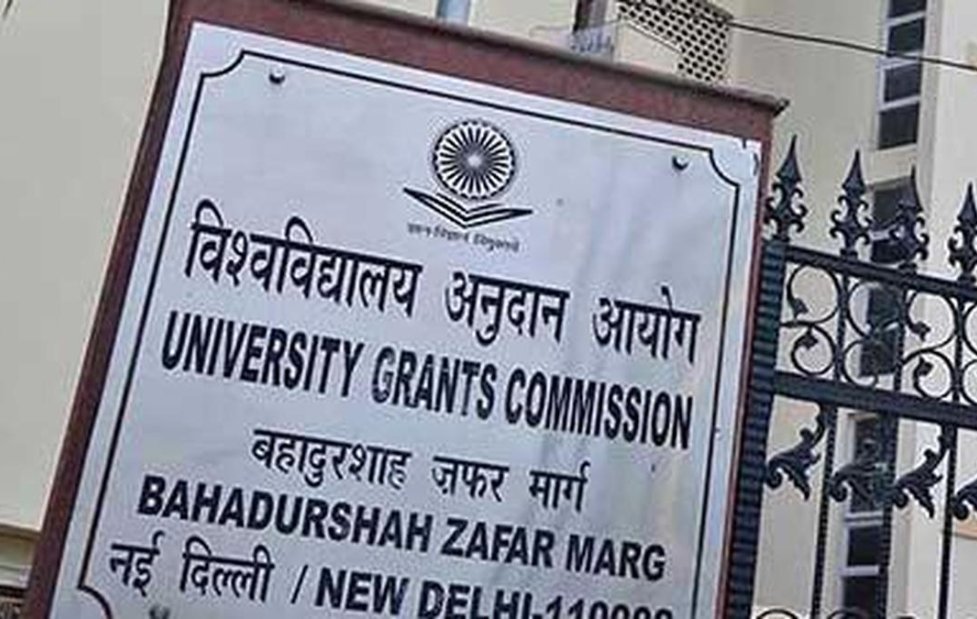
The Bharatiya Janata Party is finding itself caught in an unexpected political storm following the introduction of the University Grants Commission’s new caste equity rules. What was intended as a step toward reducing discrimination on college and university campuses has quickly evolved into a deeply polarising national debate, drawing strong emotional reactions from students, educators, and political supporters alike.
At the centre of the controversy are the updated regulations aimed at preventing caste-based discrimination in higher education institutions. Unlike earlier frameworks that focused primarily on Scheduled Castes and Scheduled Tribes, the revised rules extend explicit protection to Other Backward Classes as well. Supporters believe this move acknowledges long-standing inequalities that many students continue to face within academic spaces.
However, sections of the general category and upper caste communities have expressed discomfort with the expanded scope of the rules. For them, the policy has raised concerns about fairness, balance, and implementation. Many argue that while discrimination must be addressed firmly, the regulations lack clarity on safeguards against misuse.
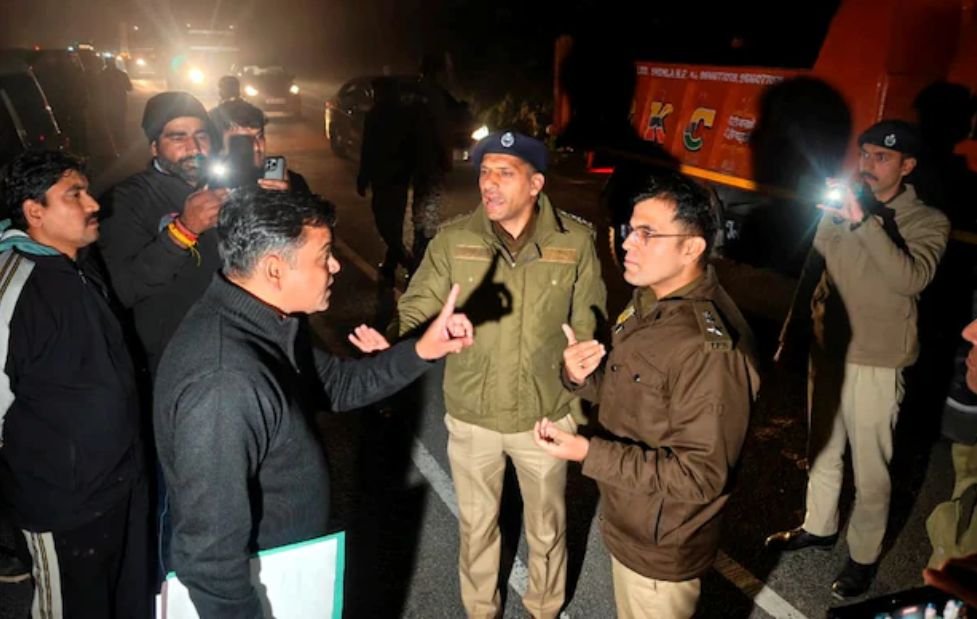
Critics fear the absence of strict guidelines for false complaints could leave students vulnerable to serious allegations without adequate protection. The ambiguity surrounding definitions and procedures has added to the anxiety, with students worrying that routine disagreements or classroom discussions could escalate into formal complaints. These concerns have triggered protests at several universities, including prominent campuses in the national capital.
Within political circles, the discomfort has become increasingly visible. The BJP, which traditionally enjoys strong support among upper caste voters, is now facing dissent from a segment of its own base. Some party leaders and supporters have publicly questioned the drafting of the rules, while others have urged the government to revisit and refine certain provisions.
Observers note that the backlash has exposed internal tensions and highlighted how sensitive caste-related policymaking remains in India. The issue has once again shown how education reforms, even when well-intentioned, can become politically charged when they intersect with deeply rooted social identities.
On the other side of the debate, advocates of the new regulations argue that discrimination in educational institutions is far from a thing of the past. They insist that broader legal coverage is essential to ensure dignity, safety, and equal opportunity for all students, especially those who continue to face subtle or institutional bias.
As discussions intensify across campuses and political platforms, the controversy reflects a larger national question: how to strike a balance between social justice and social cohesion. For the government, the challenge now lies in addressing public concerns while preserving the spirit of inclusion that the policy seeks to promote.

.png)