.jpg)
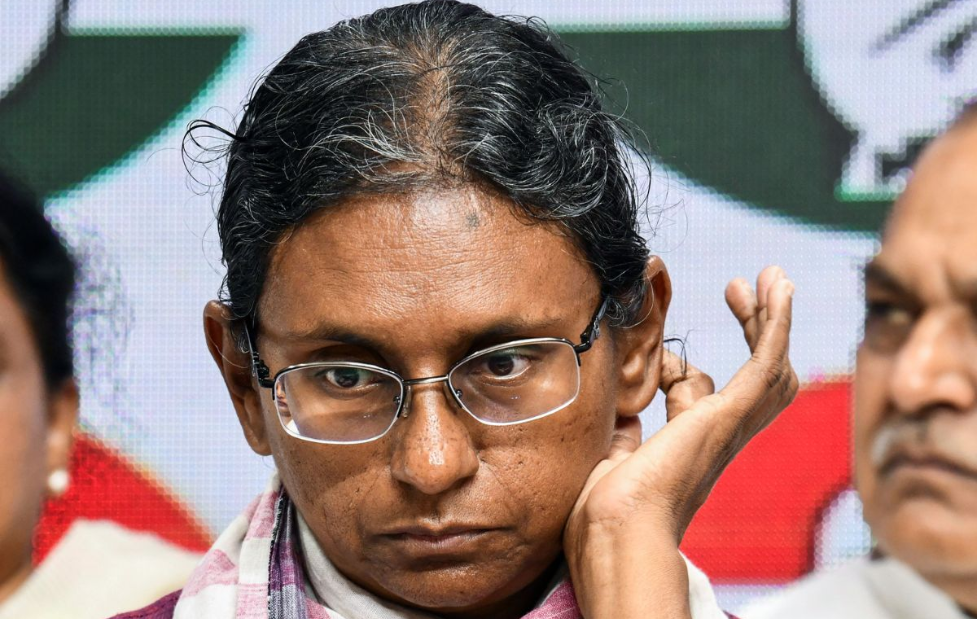
Senior Congress leader and Member of Parliament Shashi Tharoor has raised critical questions about the recently announced India-United States trade deal, calling for greater transparency and clarity on its potential impact. While the government has highlighted the economic benefits of the agreement, Tharoor and other critics say several important aspects remain unexplained, leaving stakeholders uncertain about how the pact will affect domestic sectors such as agriculture, manufacturing, and small business.
Tharoor pointed out that, despite official statements emphasising increased trade and reduced tariffs, the detailed text of the agreement has not been made available to the public. “Trade deals of this scale impact millions of livelihoods. Citizens have a right to know the specifics,” he said during a discussion in Parliament. The MP emphasised that trade negotiations should be transparent and that the government needs to provide clear answers about the clauses concerning market access, dispute resolution mechanisms, and safeguards for local industries.
Several opposition leaders echoed Tharoor’s concerns, saying that while economic cooperation with the US is important, the agreement must not compromise India’s long-term interests. These concerns are particularly strong among farmers, small manufacturers, and consumer groups who fear that an influx of cheaper imports could harm local producers who are already struggling with rising costs and competition.
Experts say that India’s agricultural sector has long been wary of trade liberalisation without appropriate protections. Questions have been raised about how the agreement will address sensitive products, tariffs, and quotas that could influence domestic prices and farmer income. There is also uncertainty about whether the deal includes enforceable provisions for protecting India’s cultural and geographical indicators — such as those for tea, spices, and handicrafts — which are key to exports.
Government representatives have maintained that the deal will be balanced and mutually beneficial. Officials say that reducing certain trade barriers will open up new markets for Indian services and goods while also encouraging US firms to invest and expand in India. They argue that increased trade with the US, one of India’s largest trading partners, could fuel growth, create jobs, and strengthen bilateral ties.
However, critics insist that without a full public disclosure of the treaty text, stakeholders cannot properly analyse potential shadows and strengths. They have urged the government to publish the agreement in full and engage with industry leaders, farmers’ organisations, economists, and policy experts to address doubts and build broader consensus.
As debate continues, many are watching closely to see how the government balances national interests with global partnership goals and whether the voices of concerned citizens and industries will be meaningfully considered in the final implementation.

.png)