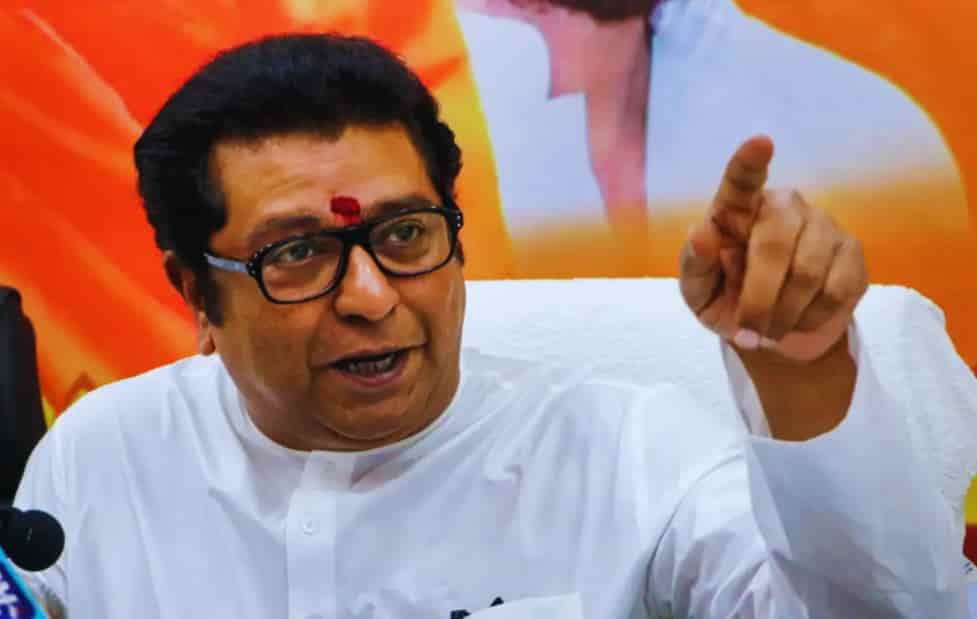
In a politically charged address ahead of important municipal elections, Maharashtra Navnirman Sena leader Raj Thackeray issued a strong warning against what he described as the growing imposition of Hindi in Maharashtra. His remarks, particularly directed at migrants from Uttar Pradesh and Bihar, have once again brought language politics and regional identity into sharp public focus.
Thackeray expressed concern that the increasing presence of Hindi in daily life could weaken the Marathi language and culture, which many residents consider central to Maharashtra’s identity. He described the situation as a cultural crisis and urged his supporters to remain united in protecting regional traditions, especially with local elections approaching. For his party, the issue has become a key point of mobilisation and political messaging.
Clarifying his stance, Thackeray stated that his opposition was not toward the Hindi language itself, but toward what he sees as its forced use in spaces where Marathi has traditionally been dominant. He argued that unchecked migration and linguistic shifts could impact local employment opportunities, change cultural dynamics, and reduce the influence of native communities in their own state.
Language and migration have long been sensitive topics in Maharashtra’s political landscape. Debates around preserving Marathi identity have surfaced repeatedly over the decades, reflecting wider national conversations about cultural autonomy and linguistic diversity. While supporters view Thackeray’s remarks as a necessary defense of regional pride, critics warn that such statements risk creating divisions and fueling social tensions between communities.
Public response to the comments has been divided. Some residents support efforts to safeguard the Marathi language and believe cultural preservation should be prioritised. Others argue that India’s strength lies in its diversity and caution against rhetoric that may alienate migrant populations who contribute significantly to the state’s economy and social fabric.
Civic voices have emphasised the need for balance, suggesting that cultural pride and inclusivity do not have to be mutually exclusive. They stress the importance of respectful coexistence and policies that promote harmony while recognising regional identities.
As elections draw closer, language politics are expected to remain a prominent issue in public discourse. Raj Thackeray’s remarks have already sparked widespread debate across political circles and social platforms. While it remains unclear how this rhetoric will influence voter behaviour, it has undeniably placed the conversation around Marathi identity and linguistic inclusion at the centre of Maharashtra’s political narrative.
.png)