.jpg)
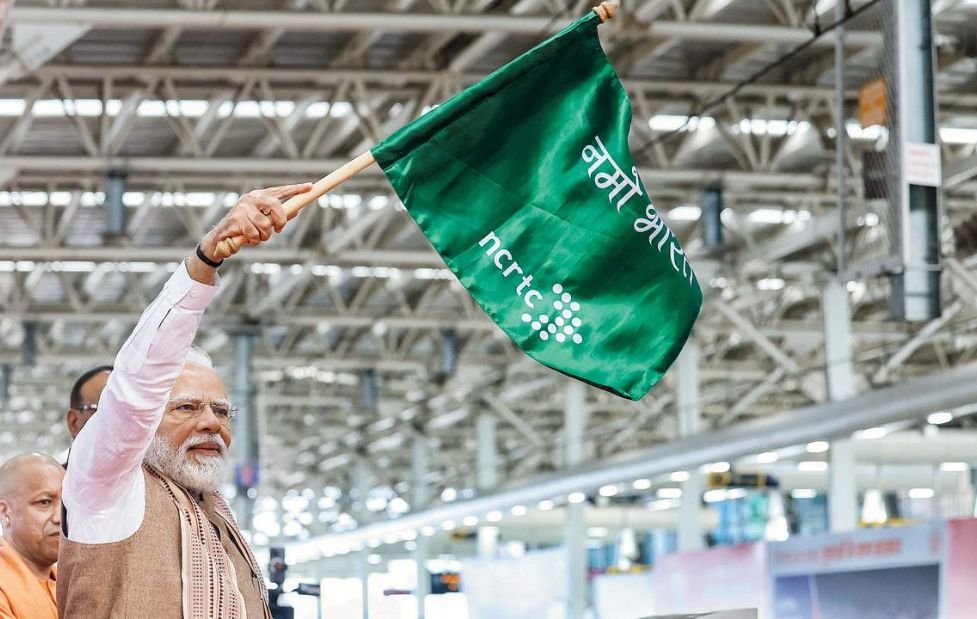
Prime Minister Narendra Modi is set to address the Lok Sabha today as part of the ongoing Budget Session of Parliament, replying to the motion of thanks to the President’s address. This discussion follows the President’s annual address to both Houses, which outlines the government’s key legislative priorities, policy direction, and vision for the year ahead.
In the Lok Sabha, the motion of thanks was moved by BJP MP Sarbananda Sonowal and seconded by Tejasvi Surya. Parliament has allotted nearly 18 hours for debate on the motion, underlining its significance as an opportunity for lawmakers to evaluate the government’s performance and future roadmap. Members from various political parties have taken part in the debate, raising issues related to economic policy, social welfare schemes, governance challenges, and national priorities.
The President’s address traditionally marks the formal beginning of the Budget Session. It serves as a broad policy statement that highlights the government’s achievements, proposed reforms, and focus areas such as economic growth, social development, national security, and welfare initiatives. The prime minister’s reply to the motion of thanks is a constitutional convention that allows the executive to respond to points raised during the debate and clarify the government’s stance on matters of concern.
PM Modi’s address comes at a time when Parliament has witnessed heightened political activity. Earlier proceedings were marked by disruptions and protests from opposition members, leading to brief adjournments of the House. Opposition parties have pressed the government on a range of contentious issues, seeking detailed responses and greater discussion time. This has added to the political intensity surrounding the prime minister’s speech.
Despite interruptions, the Budget Session has continued with ministers and lawmakers engaging in discussions on key national and international issues. Several Union ministers have already addressed Parliament on subjects such as economic strategy, trade relations, and policy reforms. These debates provide the backdrop against which the prime minister is expected to deliver a comprehensive response, addressing criticism while highlighting the government’s achievements and priorities.
PM Modi’s speech is expected to be closely followed by political observers and the public alike. His remarks are likely to offer insights into the government’s policy direction for the coming months and respond to concerns raised by the opposition during the debate. Overall, the reply to the motion of thanks remains one of the most important parliamentary moments of the Budget Session.
Read more The India–US Trade Deal: What It Really Means for Your Portfolio
.png)