_(1)1.jpg)
A tranquil village in Odisha’s Malkangiri district has been transformed into a virtual ghost town following a wave of violent unrest triggered by the brutal killing and decapitation of a tribal woman an incident that has stirred tensions resembling the strife witnessed in parts of Manipur.
The unrest began when villagers discovered the beheaded body of a tribal woman, sparking outrage among tribal communities who believed her murder was linked to neighbours from the nearby settlement of MV-26, a hamlet predominantly inhabited by Bangladeshi Hindu migrants who migrated to India decades ago and acquired citizenship. The discovery of her body ignited deep-rooted grievances and suspicions, leading to a wave of violence.
In retaliation, an irate tribal mob swept through MV-26, torching the settlement and reducing more than 160 homes to ashes. The scale of destruction forced hundreds of residents to flee in fear and seek refuge in nearby areas, leaving behind personal belongings and long-built homes. With security forces deployed to prevent further escalation, the once vibrant village now stands eerily deserted, a stark testament to the human cost of communal violence.
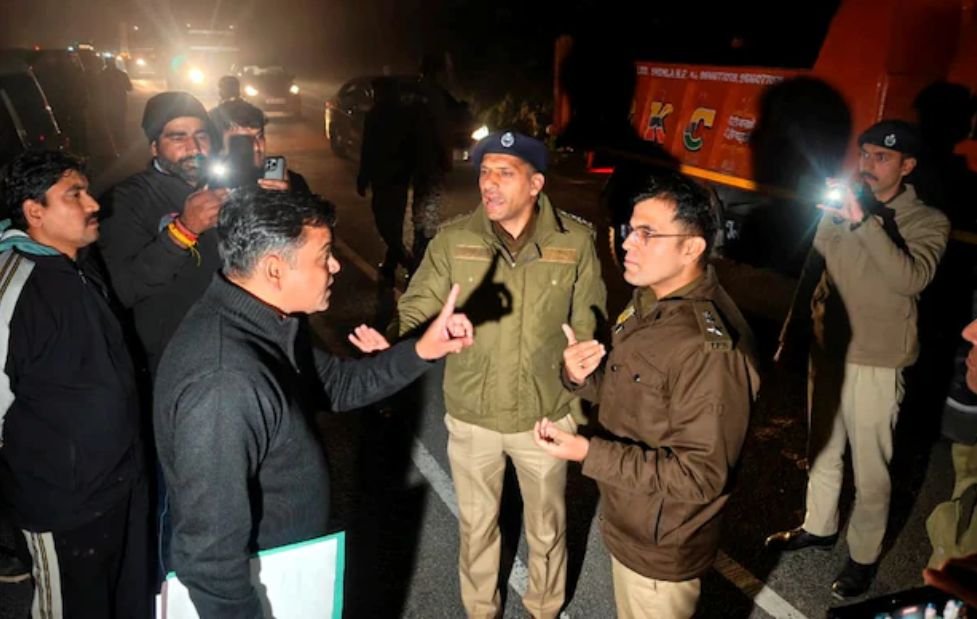
Officials from the district administration have responded to the crisis by imposing prohibitory orders and suspending internet services, aiming to curb the spread of misinformation and maintain calm. A Special Investigation Team (SIT) has also been constituted to probe the murder and subsequent violence, while peace committees and local leaders have begun dialogues in hopes of restoring a sense of order and safety in the wider region.
Authorities are additionally conducting searches for evidence related to the decapitated victim’s missing head a detail that has only added complexity to an already volatile situation. Security personnel from various state and rapid action forces have been asked to maintain heightened vigilance amid fears of further retaliation or conflict spillovers.
Community voices reflect a mixture of fear, anger, and heartbreak. Many displaced settlers describe their plight as deeply traumatic, noting that many families felt safe in their adopted home for decades only to witness their community shattered overnight. Local leaders from both communities have expressed a commitment to peace negotiations, but mistrust remains high.
As Malkangiri grapples with this upheaval, the violence underscores the fragile nature of communal harmony and the extraordinary measures required to rebuild trust and stability. What was once a village full of life now sits in silence, its future uncertain as officials and villagers alike look for paths toward reconciliation and justice.

.png)