Former Chief Justice of India DY Chandrachud recently shared strong views on the growing problem of delayed trials and prolonged imprisonment. Speaking at a public forum in Jaipur, he underlined that justice loses its meaning when people remain behind bars for years without their trials even beginning.
He explained that the Indian Constitution guarantees personal liberty and the right to a speedy trial. When this right is ignored, detention before conviction becomes punishment itself. According to him, courts must seriously consider granting bail in cases where trials are unlikely to conclude within a reasonable time.
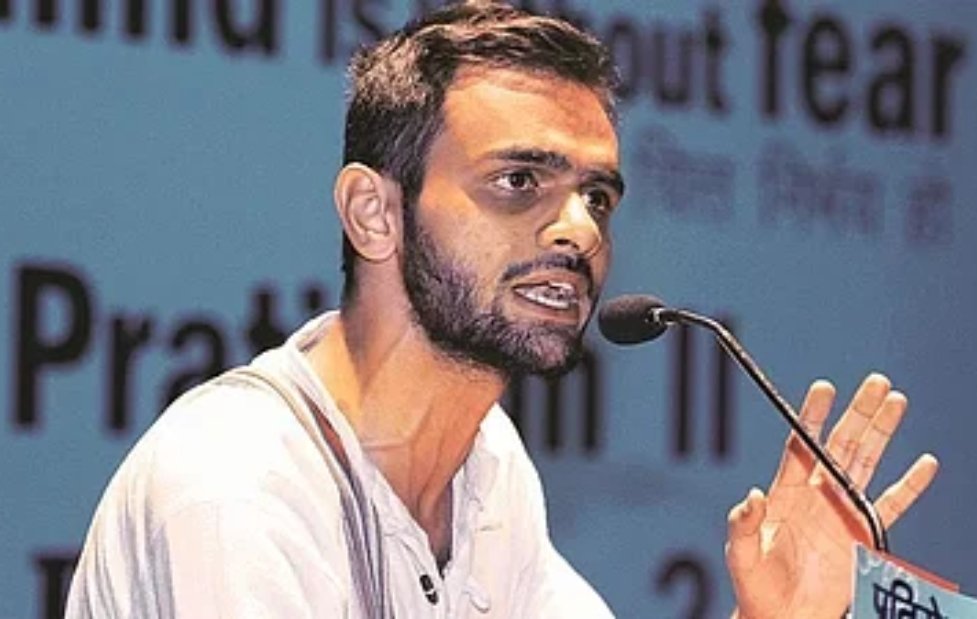
His remarks came while referring to cases such as that of activist Umar Khalid, who has been in custody since 2020 in connection with the Delhi riots conspiracy case. Despite multiple bail pleas, the trial has yet to begin, raising concerns about extended pre trial detention under strict laws. Chandrachud said that the legal system should not treat imprisonment as the default option. Bail exists to ensure an accused appears before court, not to impose punishment before guilt is proven. Holding individuals in jail for years without trial weakens public faith in justice.
He also expressed concern about the fear among lower courts when deciding bail matters. Often judges hesitate due to political pressure or fear of criticism. This hesitation leads to cases being repeatedly pushed to higher courts, causing unnecessary delays and overcrowding in prisons. While acknowledging the importance of national security, he stressed that the term should not be used mechanically. Courts must examine whether such claims are justified and balanced against fundamental rights. The former Chief Justice reminded that the principle of bail as the rule and jail as the exception remains central to Indian law. Even under stringent legislations, prolonged detention without trial should invite judicial reconsideration.
He concluded by stating that legal reforms and faster hearings are essential to preserve democracy. Without timely justice, the system risks punishing the innocent before determining guilt.

.png)