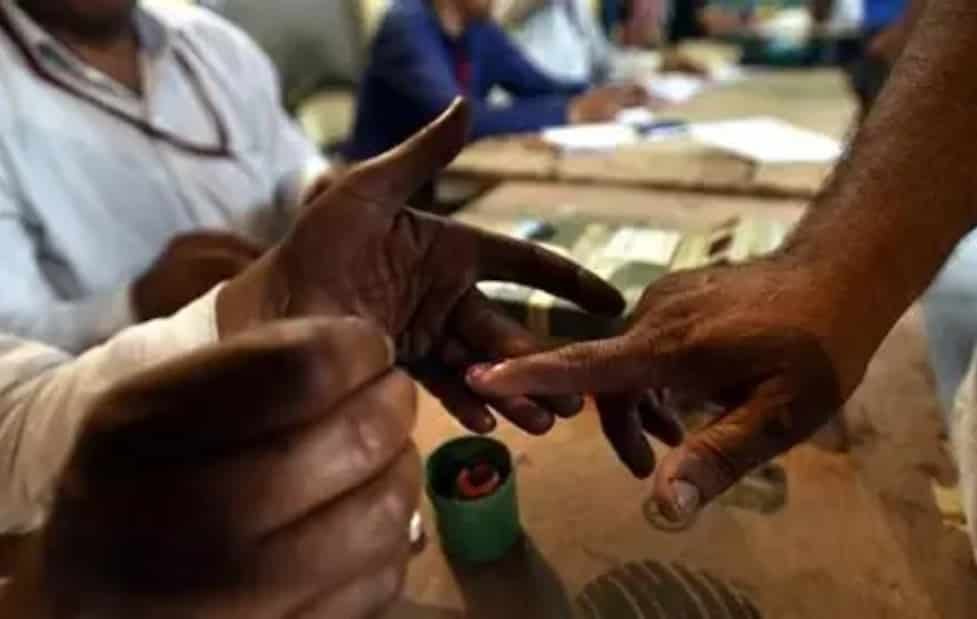
As voting began in the high-stakes Brihanmumbai Municipal Corporation elections, a fresh controversy surfaced online, triggering anxiety among voters. Several videos circulating on social media appeared to show indelible ink marks being wiped off fingers using common substances like acetone or nail polish remover. The ink, traditionally applied to prevent multiple voting, is a familiar symbol of electoral participation, and the visuals quickly sparked questions about the credibility of the polling process.
The civic body moved swiftly to counter the claims. Officials from the Brihanmumbai Municipal Corporation categorically denied that the ink being used at polling booths was ineffective. They stated that polling staff were following established procedures and applying approved election ink on voters’ left index fingers. According to authorities, the videos were misleading and did not reflect the actual process at polling stations.
Political reactions added fuel to the debate. Opposition leaders shared similar videos and raised concerns about transparency and accountability. Alongside the ink controversy, voters also reported issues such as missing names from electoral rolls and technical glitches on election-related websites. Together, these factors contributed to a sense of unease on polling day.
Amid the uproar, election authorities urged voters not to panic. The Maharashtra State Election Commission clarified that even if someone attempted to remove the ink, it would not allow them to vote again. Officials warned that any deliberate effort to manipulate the voting process could invite strict legal consequences.
The controversy has once again highlighted how quickly doubts can spread in the digital age. While officials maintain that the core safeguards of the electoral system remain intact, the episode underlines the importance of clear communication and public trust during elections, especially in large urban centres like Mumbai.

.png)