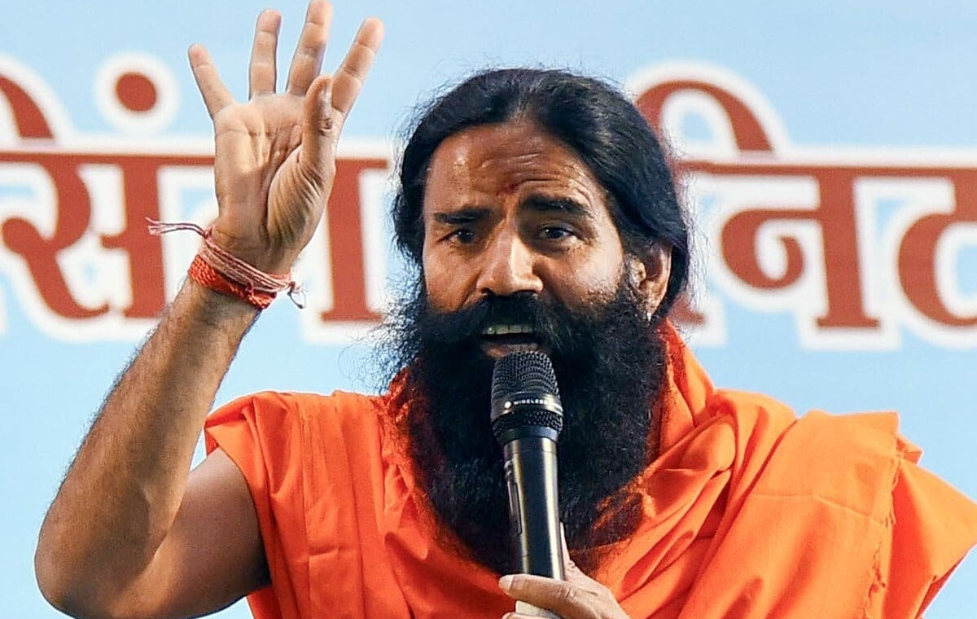
The Delhi High Court has issued an important interim order stopping the unauthorised use of the name, image, voice and overall persona of yoga guru Ramdev across digital platforms and commercial spaces. The decision comes at a time when artificial intelligence tools and deepfake technology are increasingly being used to create misleading content involving public figures.
According to details presented before the court, several videos, altered images and fabricated endorsements were circulating online that allegedly used Ramdev’s likeness without his consent. These materials reportedly gave the impression that he was promoting or associated with certain products and messages that he had never approved. The petition argued that such misuse violated his personality and publicity rights and could mislead the public.
Taking note of these concerns, the court granted an interim restraining order preventing individuals or entities from using variations of his name, including Ramdev, Swami Ramdev, Baba Ramdev and similar identifiers. The order also bars the use of his voice, facial likeness and distinctive speaking style in any unauthorised digital content. This specifically includes AI generated deepfake videos and voice cloning material.
The judge observed that personality rights protect an individual’s control over the commercial use of their identity. Unauthorised exploitation, the court noted, could amount to passing off or other legal violations, especially if it damages a person’s reputation and goodwill built over years.
In addition to restricting misuse, the court directed online platforms and intermediaries to remove identified infringing content within a specified timeframe. Platforms hosting such material are required to comply with the order or risk legal consequences.
Legal experts believe this order reflects the judiciary’s growing awareness of the risks posed by emerging technologies. As AI generated content becomes more common, courts are increasingly being called upon to balance freedom of expression with the protection of individual identity and reputation.
The ruling is seen as a significant step in strengthening personality rights in the digital era and may serve as a reference point for similar cases in the future.


.png)