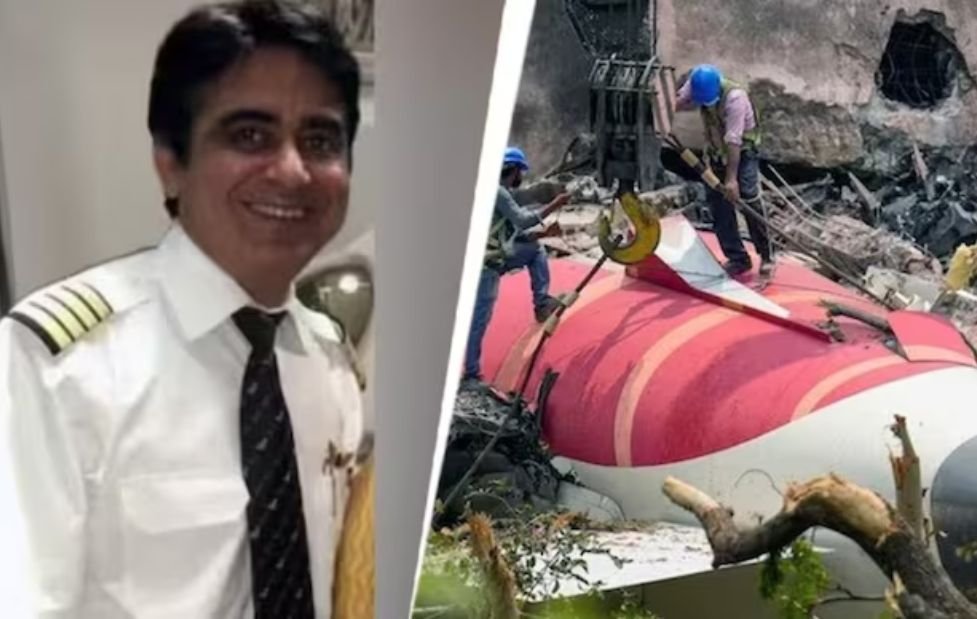
A recent report has sparked intense discussion around the tragic Air India Flight 171 crash in Ahmedabad that took place in June 2025 and claimed 260 lives. According to emerging accounts citing sources familiar with the investigation, authorities are examining whether the disaster may have been caused by deliberate action inside the cockpit, specifically the manual shutdown of the aircraft’s fuel control switches.
The Boeing 787 Dreamliner was en route from Ahmedabad to London when it crashed shortly after takeoff, striking a medical college hostel building. Early findings from investigators revealed that both engines lost thrust moments after departure when the fuel switches were moved from the run position to cutoff. Cockpit voice recordings reportedly captured a brief exchange between the pilots discussing the fuel status, but the preliminary report did not assign blame to either crew member.
New claims now suggest that detailed cockpit audio analysis and flight data examination indicate the switches were intentionally moved. Experts involved in simulation testing reportedly found no mechanical fault or automatic system failure that could explain both engines shutting down at nearly the same time. Such fuel cutoff actions generally require direct manual input from within the cockpit.
Attention has focused on the sequence of events in the final seconds. Reports describe one engine shutting down first, followed by the second, which investigators say may indicate deliberate intervention rather than a sudden technical malfunction. However, no final official conclusion has been publicly confirmed regarding intent.
The possibility that human action played a role has raised broader concerns about pilot mental health screening, cockpit safety protocols and emergency procedures. Aviation history has seen rare but devastating cases where intentional acts inside the cockpit led to catastrophic outcomes. Establishing motive or confirming deliberate action, though, requires clear and conclusive evidence, something that only a final investigation report can determine.
Authorities have urged caution against speculation while the inquiry continues. Families of victims, aviation professionals and the wider public are awaiting clarity as investigators complete their work.
The Ahmedabad tragedy remains one of the most serious aviation disasters in recent years. Whether the final findings point to human intent or another explanation, the outcome will likely influence aviation safety policies and pilot evaluation procedures in the future.
Read more Latest World News




.png)