3.jpg)
Iran has stepped up military activity in and around the Persian Gulf this week, staging large-scale drills that include joint exercises with Russian forces, a live-fire naval exercise in the strategic Strait of Hormuz, and other shows of force — moves that come as tensions with the United States continue to grow. The escalation unfolds against the backdrop of stalled indirect talks between Tehran and Washington over Iran’s nuclear program and an expanding U.S. military footprint in the region, raising concerns among global security analysts about the risk of unintended confrontation.
What the Drills Involve
Iran’s armed forces, including its Revolutionary Guard Corps (IRGC), have conducted a series of drills this week. These exercises have ranged from naval operations and simulated rescue missions with Russian naval personnel in the Gulf of Oman and northern Indian Ocean to live-fire operations near the Strait of Hormuz a key global oil shipping chokepoint through which around 20 percent of the world’s traded crude passes. Tehran also temporarily closed parts of the strait during recent naval exercises, a rare move seen by analysts as both training and strategic signaling.
Iran’s state media described the joint drills with Russia as focused on enhancing maritime security and search-and-rescue capability, but regional observers warn that conducting such exercises amid heightened geopolitical tension carries risks of miscalculation.
U.S. Military Response and Broader Build-Up
The Iranian drills coincide with a significant build-up of U.S. military assets in the Middle East. Washington has stationed two aircraft carrier strike groups — including the USS Gerald R. Ford — along with fighter jets and support aircraft in and around the region. U.S. officials say this enhanced presence is meant to support diplomatic efforts and deter potential aggression, but critics argue it could also escalate tensions further.
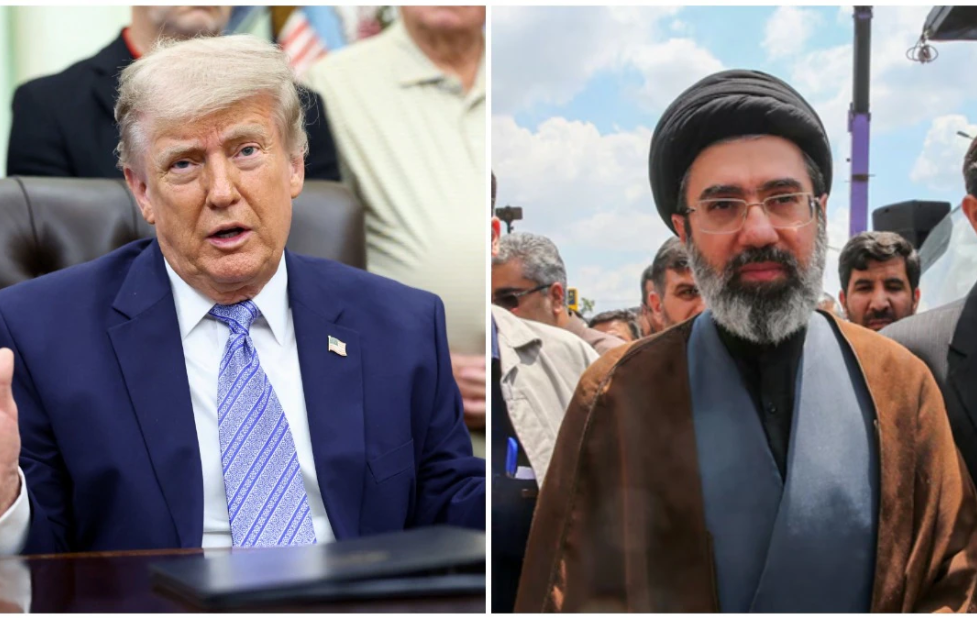
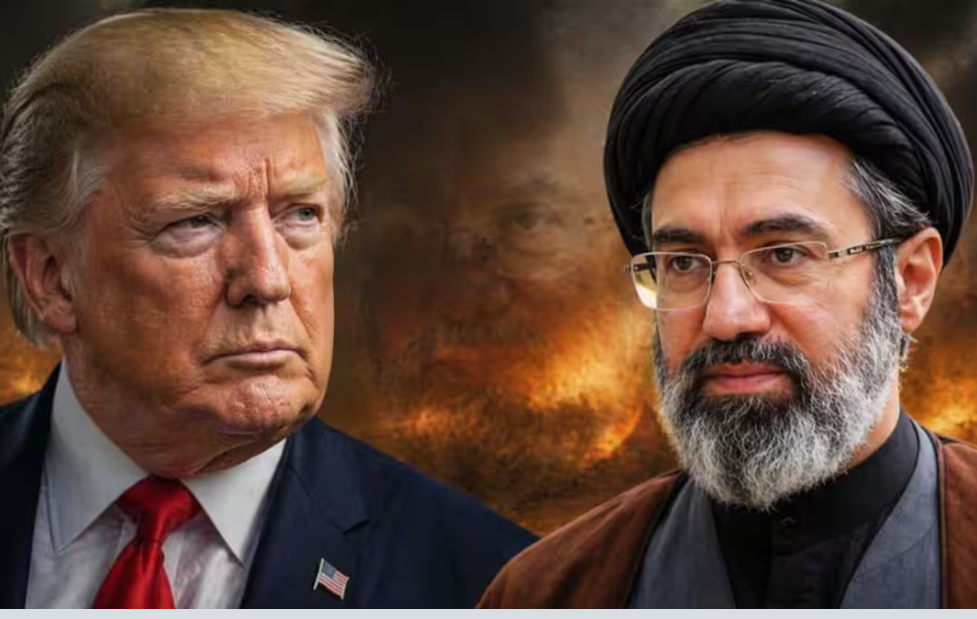
Despite ongoing negotiation efforts in Geneva, U.S. leaders have issued firm warnings to Tehran, with President Donald Trump stating that a meaningful deal must be reached within a limited timeframe or face unspecified consequences. Iran, for its part, insists it will respond decisively to any aggression while asserting that it seeks no war.
Regional and International Reactions
The spike in military drills and diplomatic friction has rippled beyond Iran and the U.S., prompting some countries to adjust policies. Nations such as Poland have urged their citizens to leave Iran amid growing concerns over stability, while Germany has temporarily relocated troops from bases in northern Iraq. These actions reflect rising anxiety over the possibility that the standoff could broaden into wider regional conflict.
Meanwhile, Russia has called for restraint from all sides and emphasized the importance of diplomatic solutions, even as it participates in joint exercises with Tehran. Such involvement underscores Moscow’s strategic alignment with Iran, though Russian officials have stopped short of offering formal military guarantees.
What Comes Next
With diplomacy and military posturing unfolding simultaneously, analysts say the situation remains delicate. Any misstep intentional or accidental during these large-scale drills could trigger a chain reaction in an already volatile region. For now, both Tehran and Washington appear poised between negotiation and confrontation, with global markets and capitals watching closely for signals that might indicate whether tensions will de-escalate or intensify further Iran’s recent military drills, conducted against a backdrop of heightened U.S. military presence and diplomatic deadlock, illustrate the fragile and increasingly tense state of Middle East geopolitics. While both sides publicly express a preference for negotiation, the risk remains that military posturing could inadvertently push the standoff toward a broader crisis.
Read more UK Deputy Prime Minister Opens Up About India Roots