

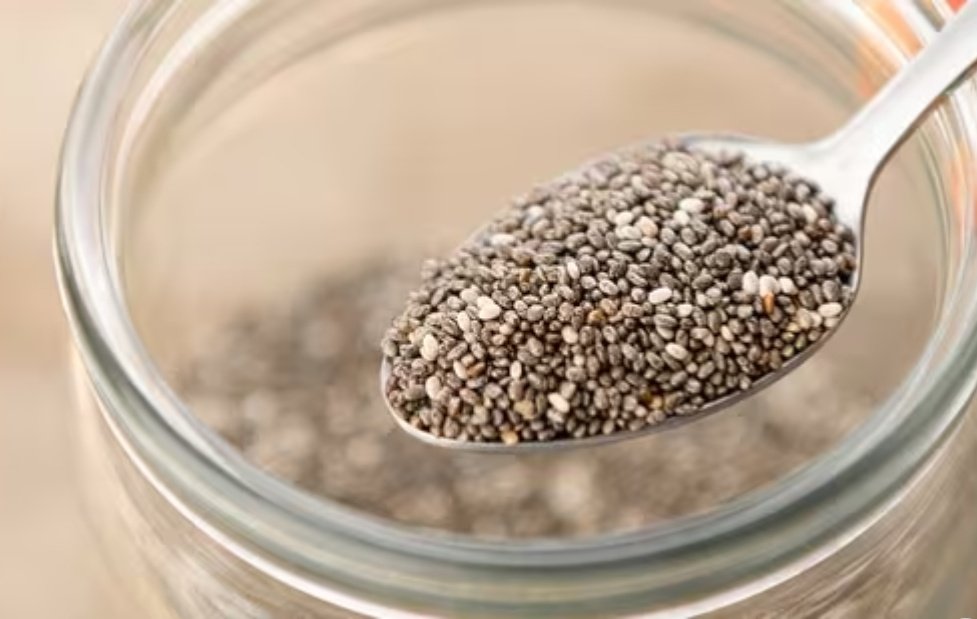
Chia seeds are widely praised as a superfood rich in fiber, omega-3 fatty acids, and essential minerals. They are often recommended for weight loss, heart health, and digestion. However, nutritionists caution that chia seeds are not safe for everyone. For people with certain medical conditions, regular consumption may lead to unexpected health complications.
Below are four health conditions where experts advise avoiding or strictly limiting chia seeds, along with explanations for why they may pose risks.
• Low Blood Pressure (Hypotension)
Chia seeds naturally help lower blood pressure due to their omega-3 content and high potassium levels. While this benefit is helpful for people with hypertension, it can be problematic for those with already low blood pressure.
For such individuals, chia seeds may:
- Cause dizziness or lightheadedness
- Increase fatigue or weakness
- Raise the risk of fainting episodes
Nutritionists warn that frequent intake may amplify blood pressure drops, especially when combined with blood-pressure-lowering medications or dehydration.
• Digestive Disorders and Sensitive Gut Conditions
Chia seeds are extremely high in fiber and absorb up to 10–12 times their weight in water. This can overload the digestive system in people with gut sensitivity.
Those with conditions such as:
- Irritable Bowel Syndrome (IBS)
- Chronic bloating or acid reflux
- Inflammatory bowel issues
may experience worsened symptoms like gas, abdominal pain, constipation, or diarrhea. Experts note that even soaked chia seeds can be difficult to tolerate for sensitive digestive systems.
• Blood Clotting Disorders or Blood Thinner Use
Chia seeds have mild blood-thinning properties, which can interfere with the body’s natural clotting mechanism.
People who:
- Take anticoagulant or antiplatelet medications
- Have bleeding disorders
- Are preparing for surgery
should be cautious. Excessive chia seed intake may increase the risk of bruising, nosebleeds, or prolonged bleeding from minor injuries. Nutritionists recommend medical supervision before including chia seeds in such cases.
• Swallowing Difficulties or Esophageal Issues
Dry chia seeds expand rapidly when they come into contact with liquid. If consumed dry or inadequately soaked, they can swell in the throat or esophagus.
This poses a serious risk for people with:
- Swallowing difficulties
- Narrowed esophagus
- History of choking or food obstruction
Doctors have reported cases where dry chia seeds caused blockages, highlighting the importance of avoiding them entirely in such conditions.
The Bigger Nutrition Message
Nutritionists emphasize that no food is universally healthy. Even highly promoted superfoods can become harmful when consumed without considering individual health needs.
The Takeaway
Chia seeds offer impressive nutritional benefits, but they are not suitable for everyone. People with low blood pressure, digestive disorders, blood-related conditions, or swallowing issues should avoid or strictly limit chia seed intake. Experts recommend personalized nutrition choices over viral health trends and advise consulting a healthcare professional before making dietary changes.
2.jpg)
2.jpg)
3.jpg)
3.jpg)
1.jpg)
.jpg)
1.jpg)
.jpg)
2.jpg)
2.jpg)