

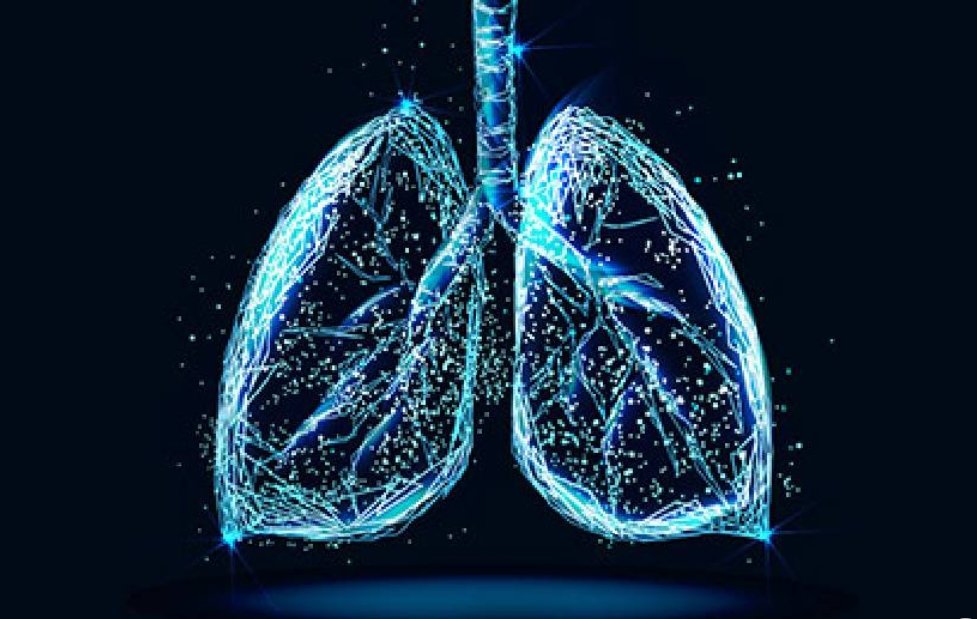
Why Lung Cancer Awareness Matters
Lung cancer remains one of the leading causes of cancer-related deaths worldwide. While smoking is a major risk factor, medical experts stress that non-smokers are also vulnerable due to environmental pollution, occupational exposure, and genetic factors.
Early detection significantly improves treatment outcomes, but symptoms often go unnoticed or are mistaken for minor respiratory problems.
Three Early Warning Signs Doctors Highlight
1. Persistent or Changing Cough
A long-lasting cough is one of the most common early indicators of lung cancer. Doctors warn that any cough lasting more than a few weeks should not be ignored, especially if it shows unusual patterns.
Warning signals include:
- A cough that gradually worsens over time
- Changes in the sound or intensity of a chronic cough
- Cough accompanied by chest discomfort
Many people dismiss persistent coughing as a seasonal infection or allergies, which can delay diagnosis.
2. Shortness of Breath or Chest Discomfort
Difficulty breathing can occur when tumors affect lung function or block airways. This symptom may appear gradually and is often mistaken for fatigue or reduced physical fitness.
Signs to watch for include:
- Breathlessness during mild physical activity
- A feeling of tightness or pressure in the chest
- Sudden reduction in exercise tolerance
Doctors advise that unexplained breathing difficulties should always be medically evaluated.
3. Unexplained Weight Loss and Fatigue
Sudden weight loss without changes in diet or lifestyle can signal serious health conditions, including lung cancer. Patients may also experience persistent fatigue even after adequate rest.
These symptoms occur because cancer can alter metabolism and increase energy demand in the body.
Why Non-Smokers Are Also at Risk
Although smoking remains the biggest contributor to lung cancer, experts warn that other factors can increase risk, such as:
- Long-term exposure to air pollution
- Second-hand smoke
- Exposure to harmful chemicals or industrial pollutants
- Genetic predisposition
Urban environments with high pollution levels have been linked to rising lung cancer cases among non-smokers.
Other Symptoms That Should Raise Concern
Doctors also suggest monitoring additional warning signs, including
- Frequent chest infections
- Hoarseness or voice changes
- Coughing up blood
- Persistent shoulder or back pain
These symptoms do not always indicate cancer but should never be ignored if they persist.
Importance of Early Screening and Medical Evaluation
Regular health check-ups and early screening tests can help detect lung cancer at stages where treatment is more effective. Individuals with high-risk exposure or family history are encouraged to consult healthcare professionals about screening options.
The Takeaway
Lung cancer is not limited to smokers, and early symptoms can be subtle. Persistent coughing, breathing difficulty, and unexplained weight loss are three warning signs that require prompt medical attention. Experts emphasize that awareness and early diagnosis remain the most effective tools in improving survival and treatment success.
2.jpg)
2.jpg)
3.jpg)
3.jpg)
1.jpg)
.jpg)
1.jpg)
.jpg)
2.jpg)
2.jpg)