

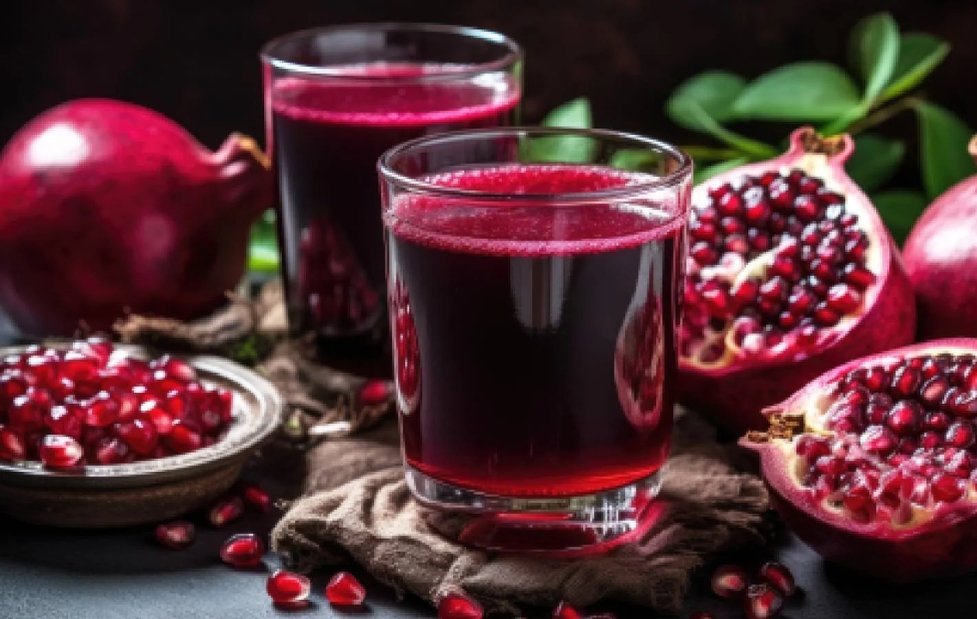
Pomegranate juice has long been celebrated as a heart-healthy drink, often promoted online as a “natural cure” for blocked arteries. From viral reels to WhatsApp forwards, many claim that a daily glass can reverse plaque buildup and eliminate the need for medicines or procedures. But what does science actually say?
The truth lies somewhere between benefit and exaggeration.
Why Pomegranate Juice Gets So Much Attention
Pomegranate is rich in polyphenols and antioxidants, particularly punicalagins, which help fight oxidative stress in the body. Oxidative stress plays a role in the development of atherosclerosis—the process where fatty plaques build up inside arteries.
Several laboratory and small human studies have shown that pomegranate juice can:
- Reduce oxidative damage to blood vessels
- Improve endothelial (artery lining) function
- Lower inflammation markers
- Slightly reduce LDL (“bad”) cholesterol oxidation
These effects explain why cardiologists often describe pomegranate juice as heart-supportive, not heart-curing.
What Studies Actually Found
One frequently cited study published in Clinical Nutrition observed that long-term consumption of pomegranate juice improved carotid artery thickness in some patients with early atherosclerosis. However, experts stress an important detail:
the plaque did not disappear completely.
The improvements were modest and occurred alongside medical supervision—not as a replacement for treatment.
Doctors emphasize that these results apply mostly to early-stage arterial changes, not severe blockages.
Can It Really Unblock Arteries?
The simple answer: No, pomegranate juice cannot dissolve or “flush out” artery blockages.
Artery plaques are complex structures made of:
- Cholesterol
- Calcium
- Inflammatory cells
- Fibrous tissue
Once hardened or calcified, these plaques cannot be removed by any food or juice. Medical interventions like statins, angioplasty, or bypass surgery are required in advanced cases.
Drinking pomegranate juice may help slow progression, but it cannot reverse significant blockage.
Where the Myth Comes From
The “magic cure” belief often stems from misunderstanding scientific language. When studies say pomegranate juice “improves arterial health,” many interpret that as “clears blockages,” which is medically inaccurate.
Improvement means better blood vessel function—not physical removal of plaque.
What Cardiologists Actually Recommend
Heart specialists generally agree on this balanced view:
- Pomegranate juice can support heart health
- It may reduce inflammation and oxidative stress
- It can complement, not replace, prescribed treatment
Used correctly, it becomes part of a preventive lifestyle, not a cure.
How to Use It Safely
If you choose to include pomegranate juice:
- Limit to 100–150 ml per day
- Prefer fresh or unsweetened juice
- Avoid packaged versions with added sugar
- Do not stop heart medicines without medical advice
People with diabetes should be cautious, as pomegranate juice can raise blood sugar levels.
What Actually Helps Prevent Blockages
Science-backed strategies that truly protect arteries include:
- Regular physical activity
- Mediterranean-style diet
- Controlling blood pressure and diabetes
- Quitting smoking
- Taking statins when prescribed
- Maintaining healthy body weight
No single food however nutritious can replace these fundamentals.
Pomegranate juice is not a miracle cure for artery blockages, but it is also not useless. It offers antioxidant support that may help protect blood vessels when combined with a healthy lifestyle and proper medical care. Think of it as a supporting actor, not the hero in heart disease prevention. If artery blockage is suspected or diagnosed, relying solely on natural remedies can delay life-saving treatment. Always consult a cardiologist before making changes to your heart-care plan. In heart health, science beats shortcuts and balance always works better than belief.
Read more Liver Specialist Explains Which Medicines Should Never Be Mixed With Alcohol
2.jpg)
2.jpg)
3.jpg)
3.jpg)
1.jpg)
.jpg)
1.jpg)
.jpg)
2.jpg)
2.jpg)